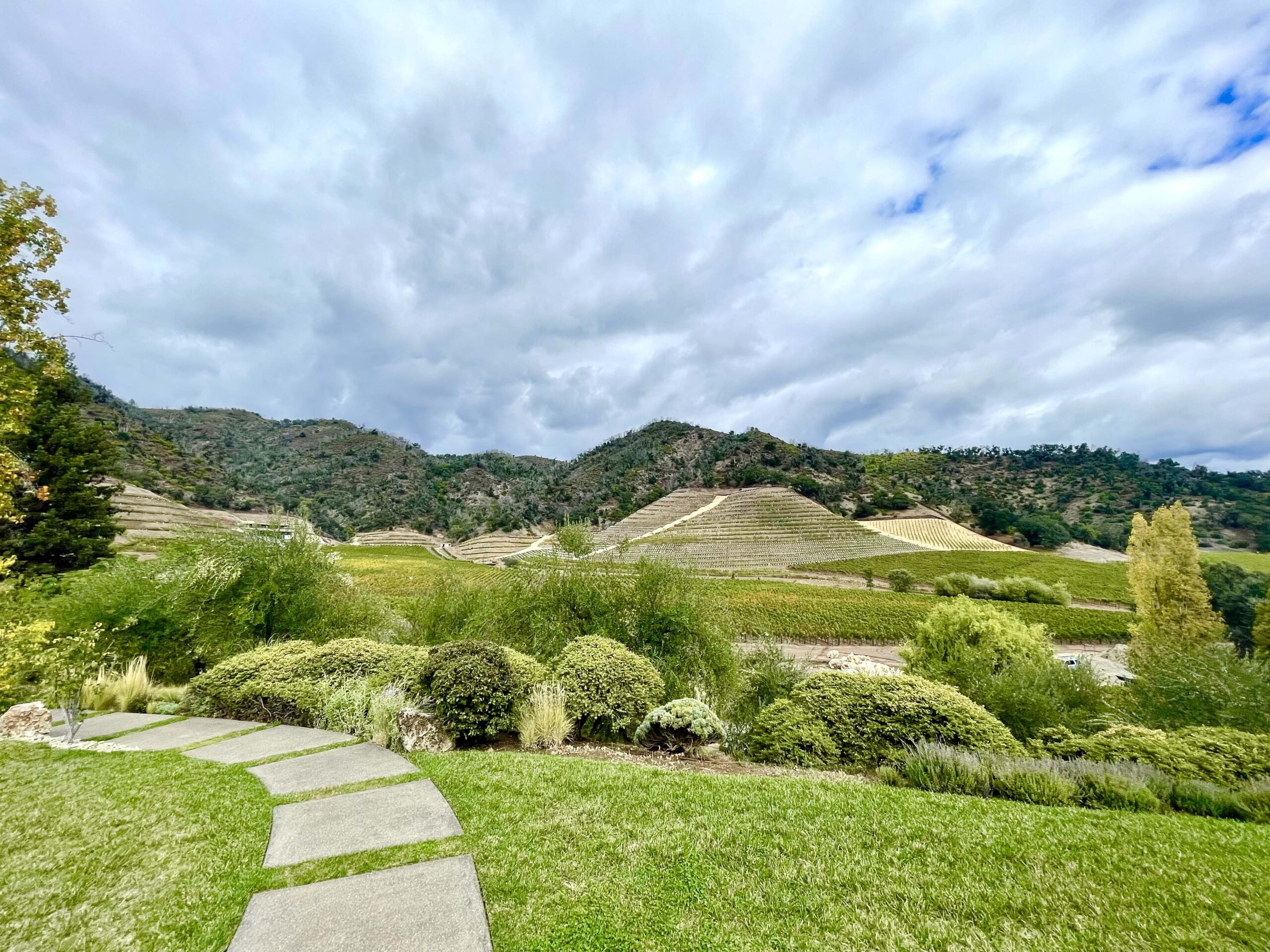

In late 2025, I spent considerable time traveling around and tasting my way through Sonoma County. The featured photo of this post is of Skipstone, an absolutely breathtaking vineyard in Geyserville, California, tucked into a private valley in the mountains above Alexander Valley.
Geographically, Sonoma is just a ridge away from Napa, in the western reaches of the Mayacamas mountains, fanning out north, south, and west. The County is home to over 400 wineries spread across 19 different AVAs, spanning roughly 55-60 miles in length and at least 50 miles wide. Napa, by contrast, is 30 miles in length and just 3-5 miles wide with nearly 500 or so wineries. So, close to one another, but worlds apart in terms of geographical differences and density of wineries and plantings.
If Napa Valley is the high-volume California megaphone for fine wine production, Sonoma producers have been turning up the dial of their typically quiet frequency, broadcasting a Coastal-influenced message of purity, elegance, charm, and deliciousness. It may be true that in decades past Sonoma was less hyped, less crowded, far less written about, but that’s not true anymore—at least not for those of us who live nearby. So, if it’s true for you, and you’re still wondering what in the world is going on in Sonoma, enough is enough.
Hear me: Sonoma County is home to many of California’s most captivating wines.
Graceful, site-specific Pinot Noirs; textural, resonant Chardonnays; Grenache, Syrah, and Cabernet Sauvignons that exude cool-climate savoriness; sparkling wines that increasingly punch at, or above, the level of far pricier Champagnes. Zinfandel, of course, made in an array of styles. And for all that character and craft, the majority of these bottles still cost a fraction of what you’d pay if they came from Napa.
But that’s moot because Napa isn’t the place to grow Burgundian varieties. Sure, there are a few exceptions, but for the most part, Sonoma is what Burgundy is to France, while Napa is California’s Bordeaux equivalent.
Sonoma’s best wines are rarely sitting on your local shop’s front shelf. They’re small-lot, heavily allocated, scattered across AVAs, and often hand-sold to consumers who visit the tasting rooms dotting the county.
That’s why I spent several weeks traversing the region this year—tasting hundreds of wines, meeting with producers across Russian River Valley, Petaluma Gap, Sonoma Coast, Moon Mountain, and Alexander Valley, and chasing down the bottlings that rarely leave winery mailing lists. And I’m not done. I’ll have a slew of new wines coming in early 2026. There are so many amazing places to visit, people to meet and taste with, and, as always, so little time.
Consider this report your buying guide for tracking stalwart producers as well as more elusive bottles—from vintages 2021-2024—and your excuse to start pestering your favorite retailers to bring in the wares from producers that catch your eye.
Happy Sonoma County wine-hunting. – JC

Cristaldi's Top 10 Sonoma County Wines
(Sonoma Buyer's Guide 2025)
I want to add a quick note about the top two wines and their two impressive 100-point scores. Honestly, I’d consider both to be tied for the number-one spot. CIRQ is made by Michael Browne; DK Grail is by Dan Kosta. Both Sonoma wine-world legends co-founded Kosta Browne while working at John Ash & Co. back in 1997. Eventually, they passed the torch of that brand to Duckhorn Wine Company and ventured off to do their own thing.
Each of their respective reinventions has been nothing short of astounding. The personal twist they’ve put on their brands feels fully realised and emotionally charged, and the wines themselves carry a level of opulence and drinkability that’s impossible to deny. They’re also amply structured and capable of mid-term cellaring, but frankly, when they’re delivering this much upfront pleasure, why wait?
I love both Browne’s and Kosta’s styles. I always have. When other critics cry foul and raise their fists to the heavens over the ripeness of these wines, I cringe and look the other way. Consumers, meanwhile, roll their eyes and buy CIRQ and DK Grail without abandon — and they love them. The wines are downright delicious, and in 2023, they are, simply put, kick-ass.
1.
2.
3.
4.
5.
6.
7.
8.
9.
10.
Cristaldi Hops "Over the Mountain"
All wines reviewed below were tasted in 2025.
Blue Farm
Anne Moller-Racke was the vineyard manager at Chateau Buena Vista from the early 1980s until 2001, when she helped establish Donum and remained there until 2019. During that time, she planted the Anne Katherina Vineyard in Carneros and, in 2013, began producing wine under her own label, Blue Farm. Total production is around 2,500 cases.

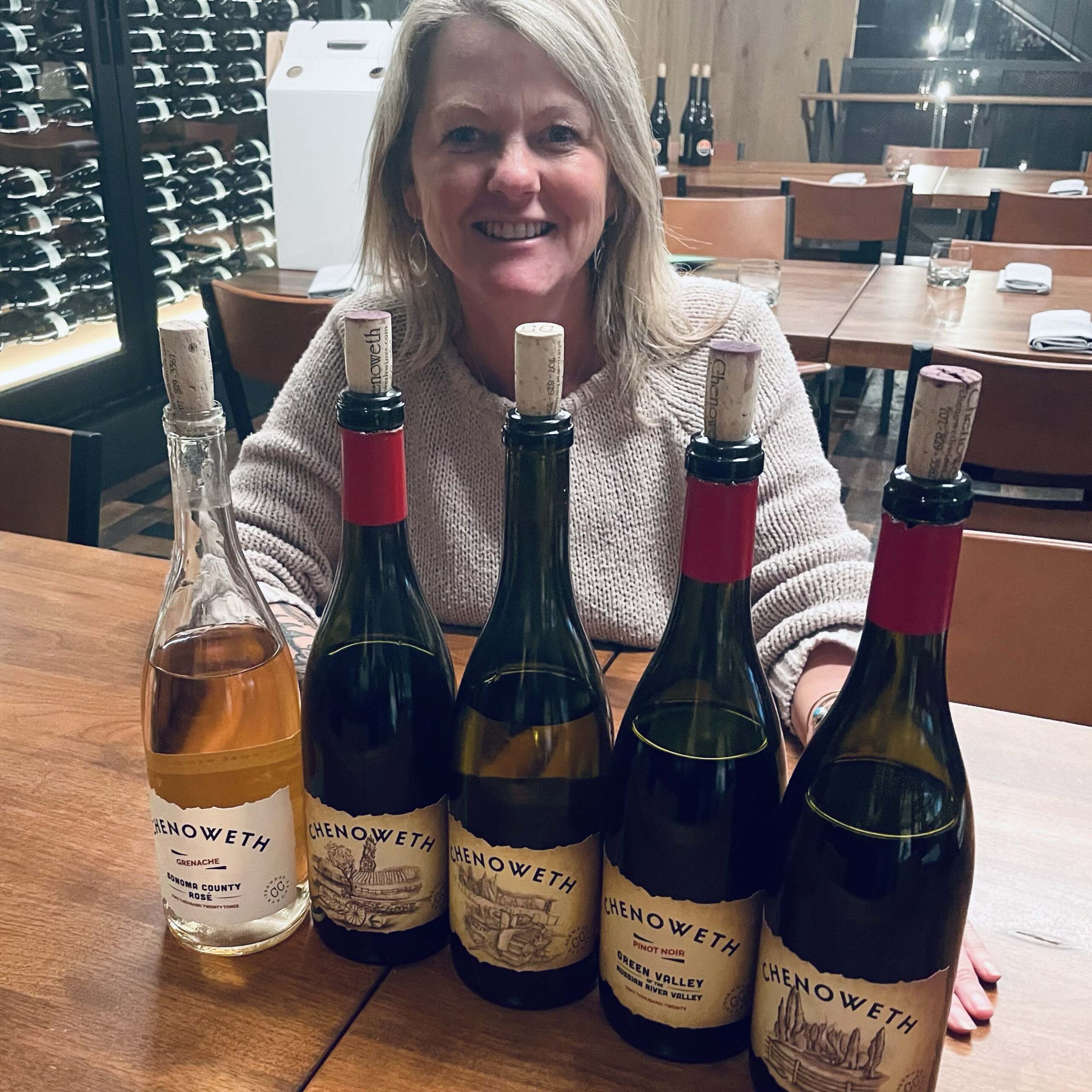
Chenoweth
The Chenoweth family has farmed in Sonoma County for 170 years. Charlie and Amy Chenoweth launched their vineyard management company in 1999, and they started their wine brand in 2010. From 2010 to 2015, they produced just one Pinot Noir before shifting to vineyard-designate bottlings. In 2017, they expanded the lineup to include a Chardonnay and a Rosé.
CIRQ
CIRQ was launched in 2009 by Michael Browne — co-founder of Kosta Browne — along with his wife, Sarah. Their focus is Pinot Noir from their remarkable 14.8-acre estate and winery in the heart of the Russian River Valley. They also produce CHEV, a sister label introduced in 2013. In the cellar, they work with Sonoma Cast Stone tanks and Noblot concrete eggs to emphasize acidity and minerality. Michael often compares winemaking to music, noting, “We are blenders. We are component people.” In 2024, the team brought on winemaker Cabell Coursey to further elevate the craft.


DK Wine Group
Dan Kosta, of Kosta Browne fame, established DK Wine Group in 1999. Their lineup includes the Admire, Convene, and DK Grail brands, with winemaking lead by Shane Finley. Kosta’s impetus behind the wines is slowing things down, a reaction to how fast things were moving for him during his days in Kosta Browne. He notes: “Wine goes beyond being just delicious to me. That’s what these wines are, they are the closest to the delicious factor but everything needs to have a deliberate intent. Whether that’s respecting an AVA, or my sensibilities, but with shepherding vineyards and sites and when I drink these wines, the first thing I think of is the face of the wine grower. Whether its Gary Francios or Steve Camphlel or Mark Pisoni, that’s what comes up before picutre of blackberry and cherry and baking spice.”

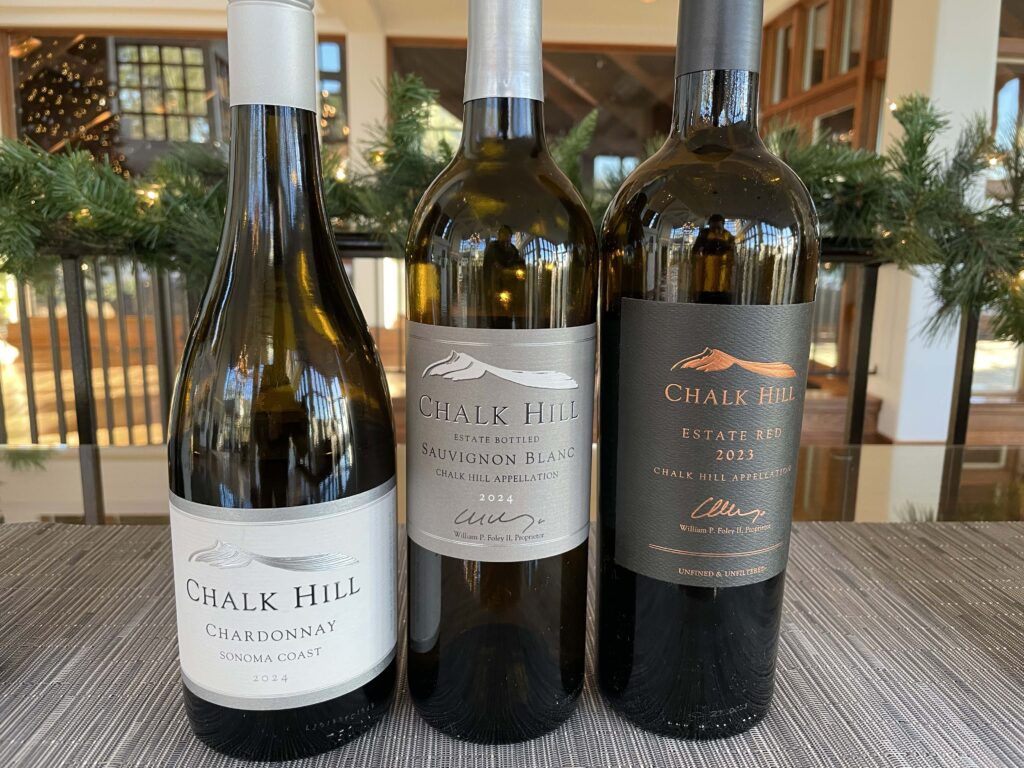
Foley Famliy Wines & Spirits
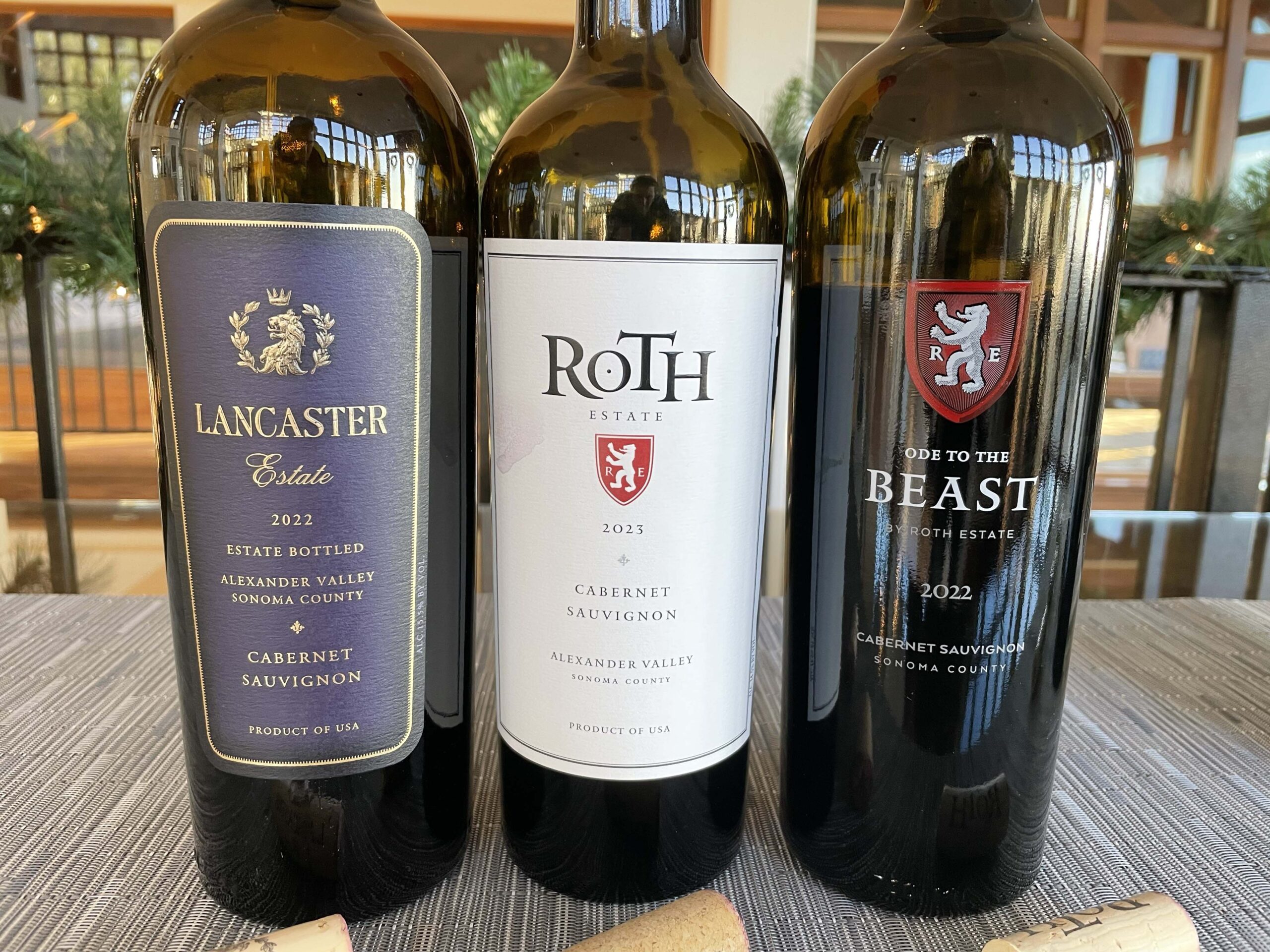
Foley Family Wines & Spirits (FFWS) was launched by Bill Foley in 1996 with the acquisition of Lincourt Vineyards in Santa Barbara’s Sta. Rita Hills — the modest beginning of what has become a wide-ranging, multi-regional portfolio. Over the decades, FFWS has added more than two dozen wineries and distilleries across California, the Pacific Northwest, and New Zealand, building a collection that now includes well-known estates such as Chalk Hill Estate, Sebastiani, Roth Estate, Firestone Vineyard, Lincourt, and Silverado Vineyards. Guided by a commitment to site-driven winemaking, legacy properties, and a broader focus on global wines and spirits, FFWS aims to craft distinctive, terroir-rooted wines while offering hospitality across an expanding network of estates.



Innumero
Sheree and Brian Thornsberry are the co-founders who launched the brand in 2021, sourcing fruit from prime sites throughout the Russian River Valley. Both come from finance backgrounds, and their focus is on single-vineyard, single-clone bottlings. They hired Ashley Herzberg as winemaker from day one; she also makes wine for the Bacigalupi family, CAST, and Amista. Sheree tells me that she and her husband have traveled to wine regions around the world and fell in love with the lifestyle. Innumero is Latin for “above and beyond the number.” They produce just under 1,000 cases annually. The wines are sold almost entirely DTC, with a handful of placements in Healdsburg restaurants.

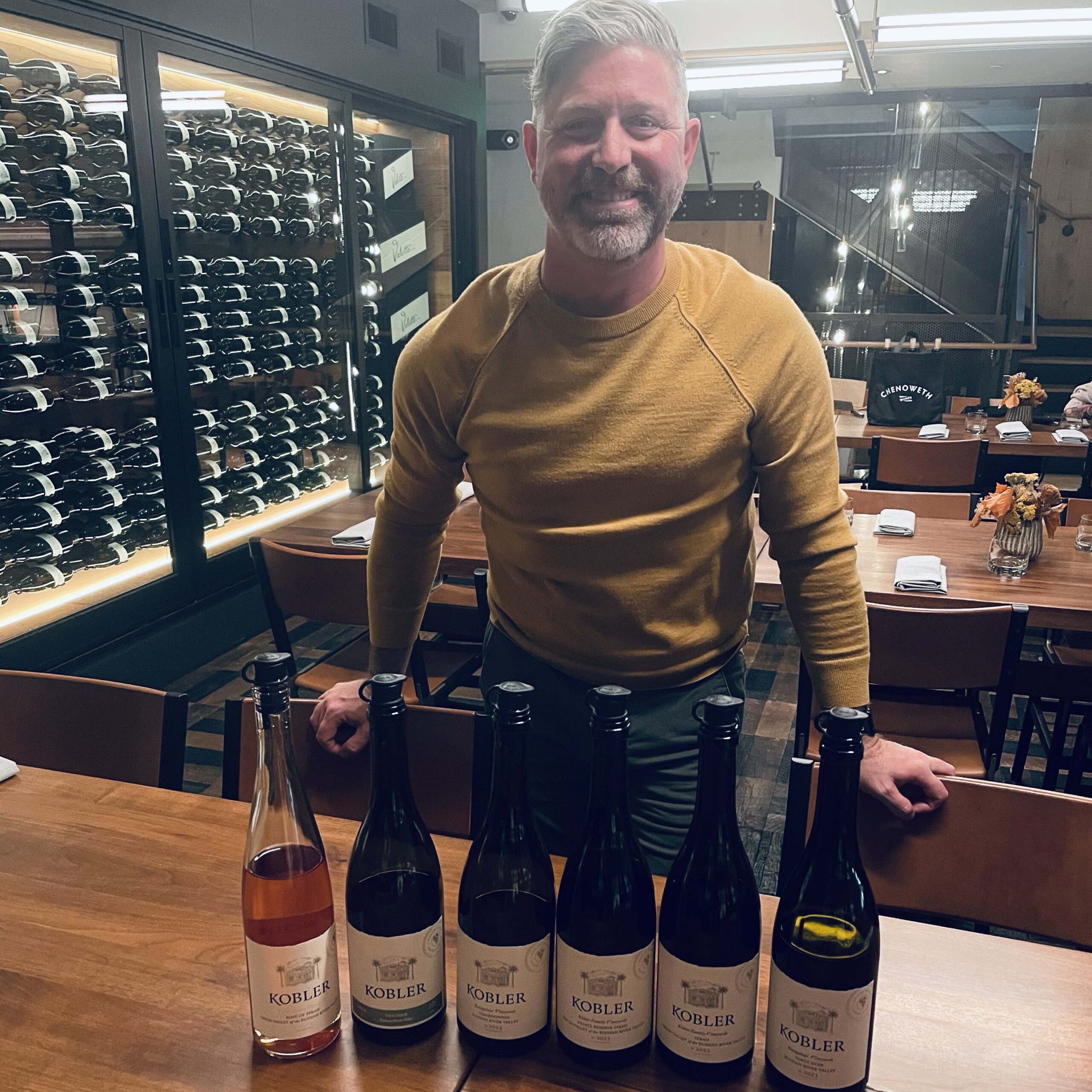
Kobler Estate Winery
Mike Kobler took over winemaking in 2022. Mike’s grandfather retired to Dry Creek Valley in the early 1980s. An engineer by trade, he spent weekends putting young Mike to work in the vineyard whenever he came to visit. Mike went on to study economics and graduated in 2007—just in time for the 2008 market crash—so he pivoted into wine. Despite swearing he’d never enter the industry, he realized he liked the lifestyle, and his network of growers and winemakers proved invaluable. With help from his father, he built a business plan, and they dove in. They launched with a négociant model, and in 2011 produced their first wine from the family property. As Mike began asking around for grape contracts, the business grew steadily. His older brother, Brian Kobler, who had been a winemaker for 20 years, eventually came on board as well.
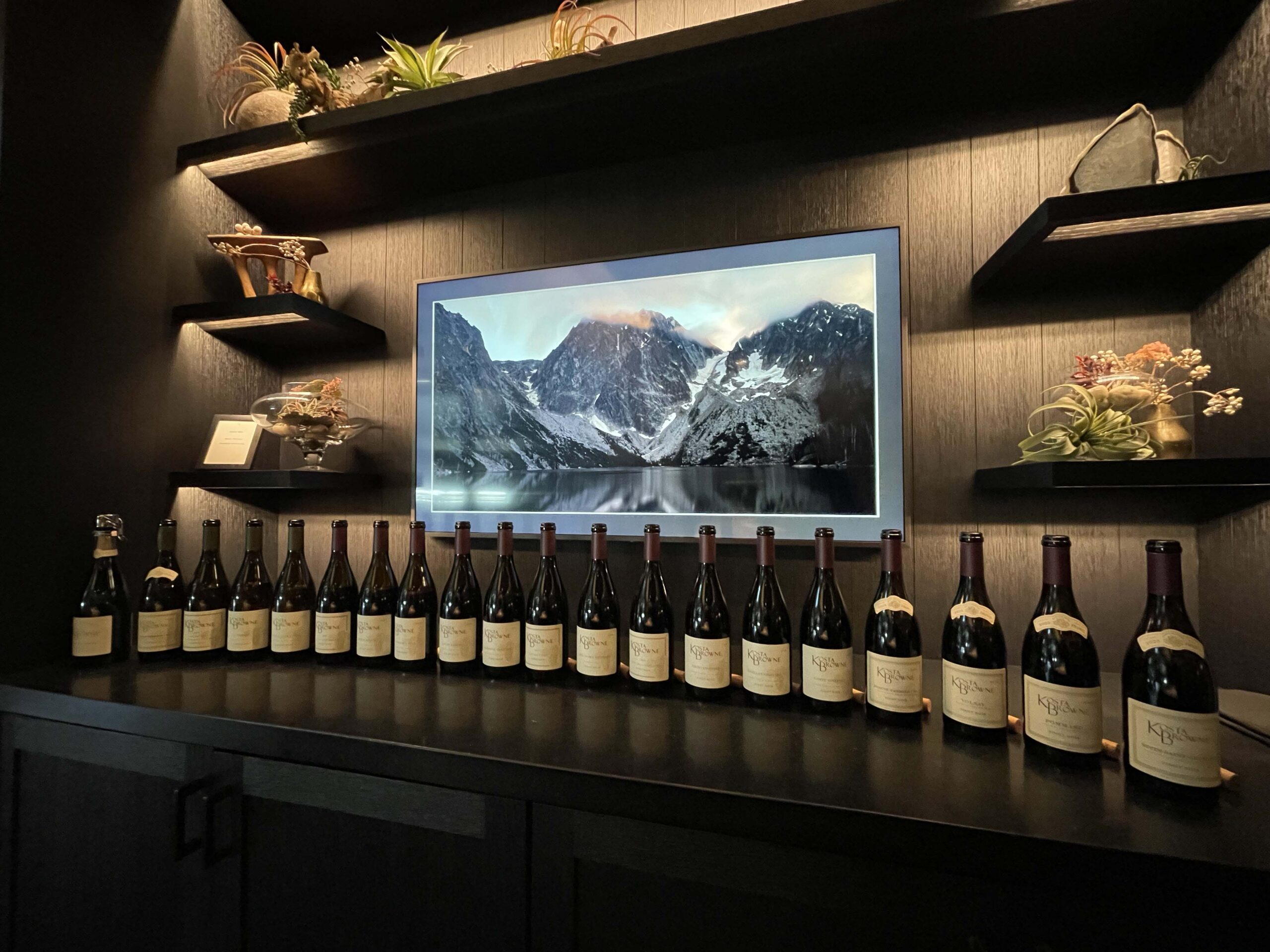
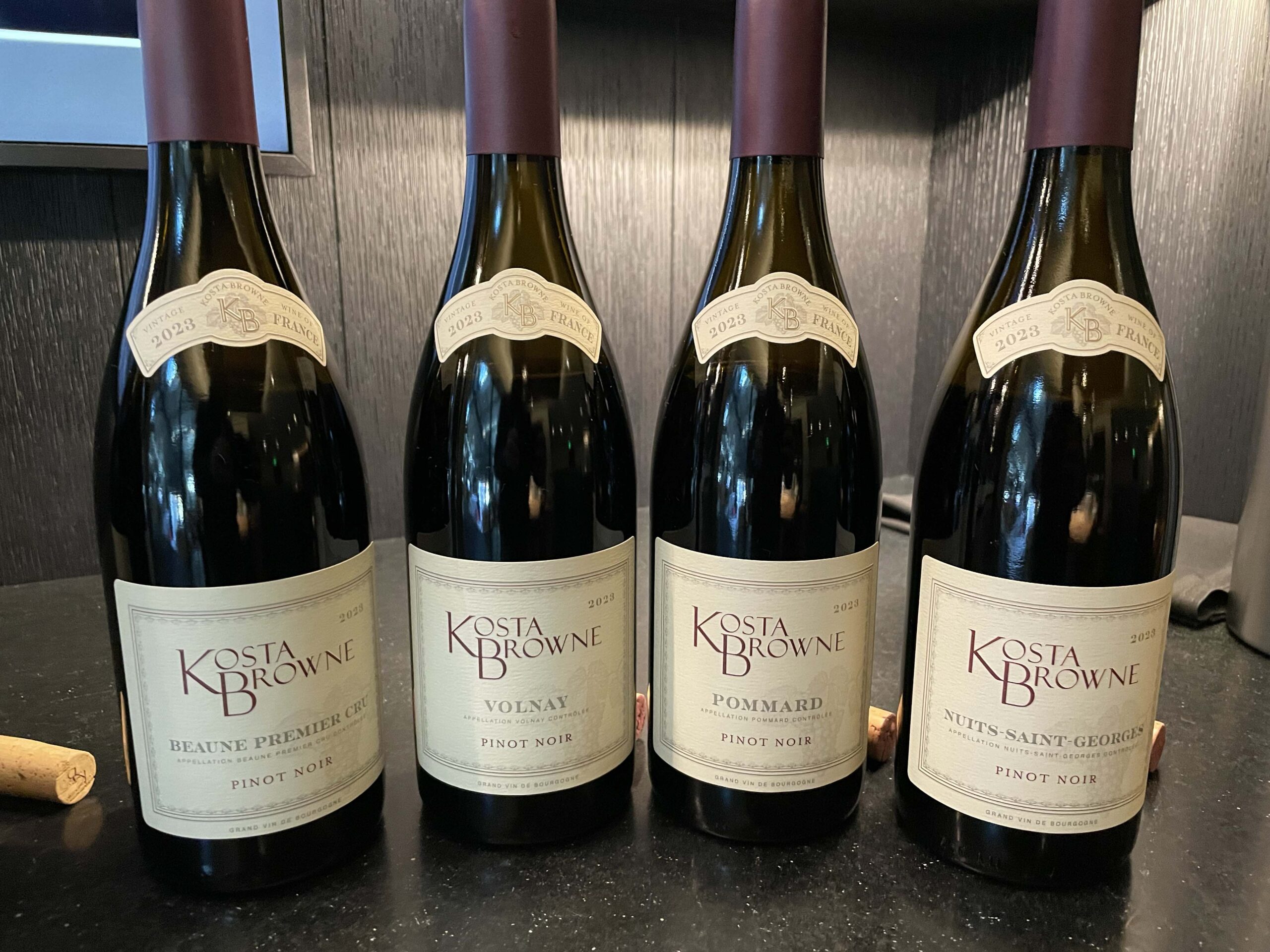
Kosta Browne Winery
Founded in 1997, Kosta Browne catapulted to fame after being named Wine Spectator’s #1 Wine of the Year (for their 2009 Sonoma Coast Pinot Noir). Today, Winemaker Julien Howsepian is tweaking their cellar approach, getting the wine out of barrel and into stainless steel earlier. The results are more layered wines, with richness and silky fruit character, but still plenty of acid tension to keep things bright, light and focused.


Lombardi
Lombardi Wines was founded in 2013 by Tony Lombardi and his wife Christine, as a tribute to his Italian heritage and a legacy project for their sons. The label focuses on small-lot Chardonnay and Pinot Noir from premier vineyard sites across Sonoma County—particularly the Petaluma Gap, where the Lombardi family has been rooted since 1947. Working closely with winemaker Cabell Coursey, the wines reflect rigorous site selection, low yields, and a balance of elegance and power. Beyond the cellar, the Lombardis are committed philanthropists. Tony and Christine are deeply involved with the Hilinski’s Hope Foundation, which promotes mental-health awareness for student-athletes in memory of their nephew and godson. They also support children’s and cancer-related charities via events and auctions—including contributions at the Tum Tum Tree Foundation and the Sonoma Epicurean fundraiser, where their wines help raise significant funds for research and outreach. With fewer than 1,000 cases produced each year, Lombardi Wines combines boutique craftsmanship, family tradition, and social purpose.


Saxon Brown
Jeff Gaffner founded Saxon Brown in 1997, naming the label after a character from The Grapes of Wrath as a nod to California farming heritage. Working largely independently, he focuses on single-vineyard expressions from top sites in Sonoma—Durell, Sangiacomo Green Acres, Gap’s Crown, Roberts Road—and produces a focused portfolio of Chardonnay, Pinot Noir, and small-lot Rhône varieties. His Pinot Noir protocol is remarkably consistent across vineyards: he begins with a cold soak and employs pumpovers and punchdowns before alcohol rises, believing early extraction builds color, tannin, and esters before ABV acts as a solvent. Once fermentation is underway, he pulls back on cap management, then cold-stabilizes and ages the wine for roughly 16 months, often with a moderate new-oak profile. The goal is purity, site transparency, and the fine, velvety tannin signature that has become a hallmark of his style.

Serres Ranch
The Serres family launched the brand in 2018, with the inaugural vintage released in 2022; they currently produce about 500 cases each year. Tim Milos and Derek Irwin are the winemakers.

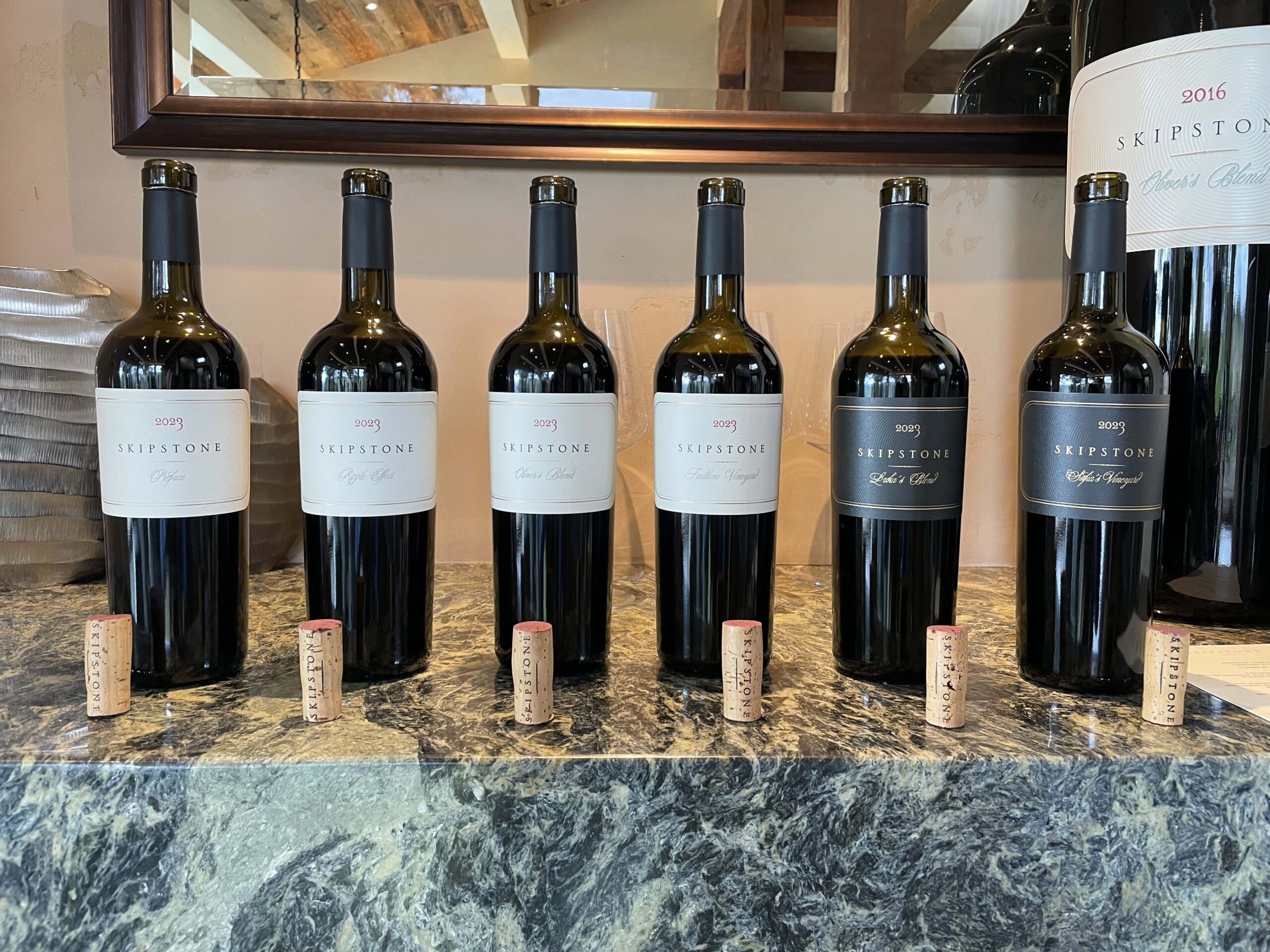
Skipstone
Skipstone is a 200-acre estate located on the western hillsides of the Mayacamas Range in Sonoma’s Alexander Valley, focused on producing Bordeaux varieties grown on its certified organic and certified sustainable estate. Skipstone is guided by husband-and-wife team Laura Jones, winemaker, and Brian Ball, general manager. Jones brings a thoughtful, precision-driven approach shaped by global experience and her tenure at Aubert Wines, while Ball oversees the estate with a steady, long-term vision rooted in vineyard stewardship and brand building. Together, they are elevating Skipstone’s Alexander Valley estate wines with a focus on site expression and balance, a philosophy they also explore through their personal Chardonnay project, Sphaerics.

Valette
Dustin Valette was born and raised in Healdsburg in a French family where food was central to daily life. He started cooking professionally at 13, eventually working for major chefs—Michael Mina, Charlie Palmer, Thomas Keller—and at 17 headed to New York, attending the CIA in Hyde Park while spending weekends exploring food and wine. He still remembers the bolognese sauce at a friend’s house that first opened his eyes to the depth of flavor possible. In 2008 he made his first garage wine, and by 2013 he was producing 250 cases. “I’m not a winemaker,” he likes to say, “but I felt I was making good garage wines.” As he began sourcing Pinot Noir from iconic vineyard sites, he realized the difference between the instinct of a chef and the technical knowledge of a winemaker. The brand shifted from idea to reality in 2016, when he partnered with Jesse Katz and Bob Cabral—Katz bringing a Bordeaux sensibility, Cabral a Burgundian one. Today the lineup also includes contributions from Tom Rochioli, David Ramey, and Michael Browne. Every wine is conceived through the eyes of a chef, with Dustin thinking first about how each bottle will meet, shape, and elevate food.

Williams Selyem Estate
Williams Selyem’s estate sits on land once used for pasture, dairies, and orchards—a reminder of the winery’s humble beginnings in Burt Williams’ garage, where he and Ed Selyem first experimented with repurposed dairy tanks. Those shallow, four-foot-deep stainless-steel tanks remain central to the winemaking today. Their shape allows for traditional foot-treading, a thinner and more temperature-stable cap, and gentle extraction—all key to the signature texture of Williams Selyem Pinot Noir. Winemaker Jeff Mangahas explains that early, focused extraction over five to six days, followed by hand punch-downs, creates finesse rather than harsh tannin. The approach is uniform across the portfolio: roughly 25% whole cluster, no pumpovers, and aging in 40–50% new François Frères oak.
Fermentations run about two weeks before the wines move to barrel for malolactic fermentation and the first sulfur addition. Jeff maintains as many solids as possible until bottling, using only mid-elevage and pre-bottling rackings—after extremely cold storage—to naturally clarify the wines without filtration. The result is a house style defined by purity, texture, and seamless structure, shaped as much by the winery’s unconventional equipment as by its long-standing commitment to gentle, precise winemaking.