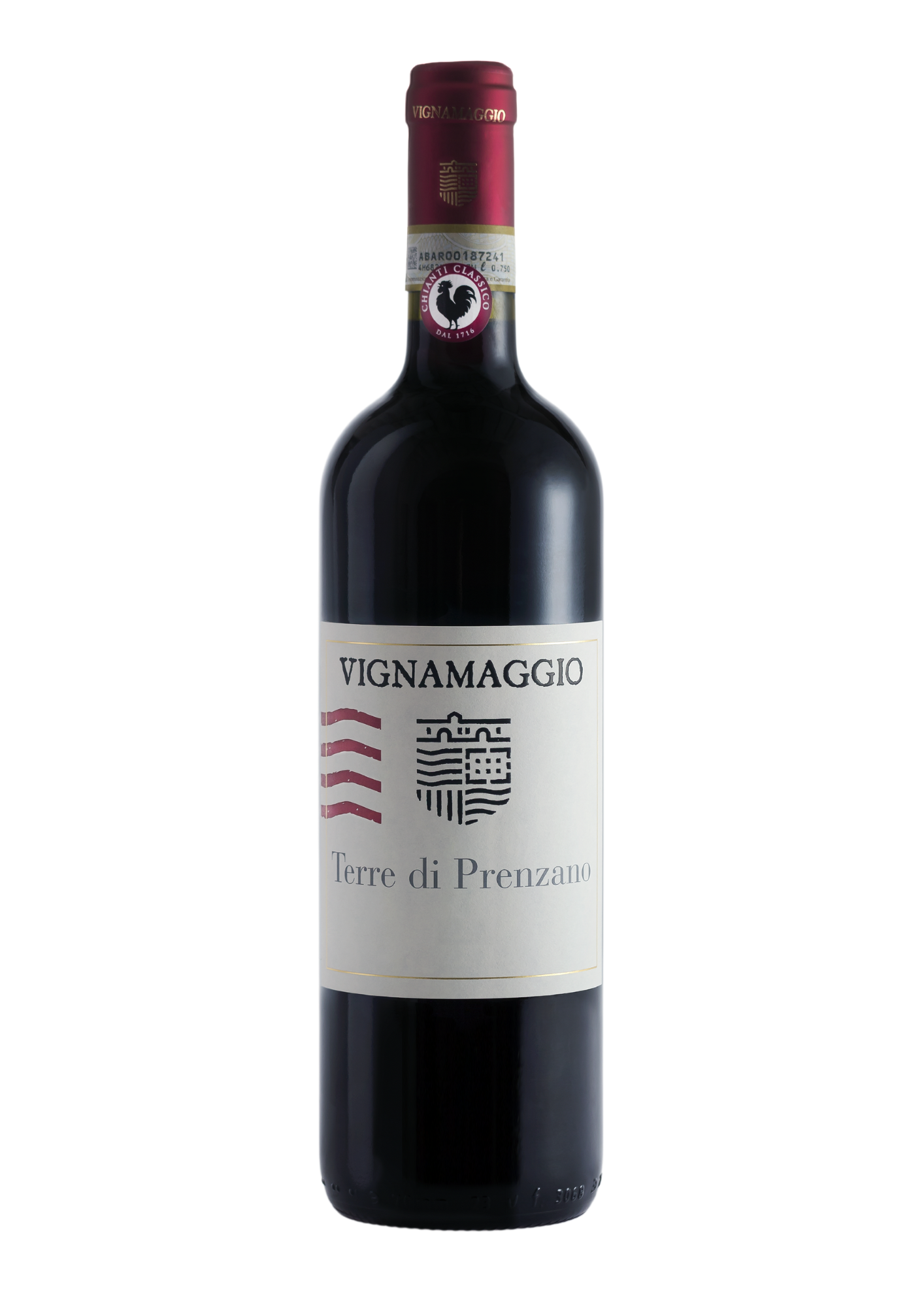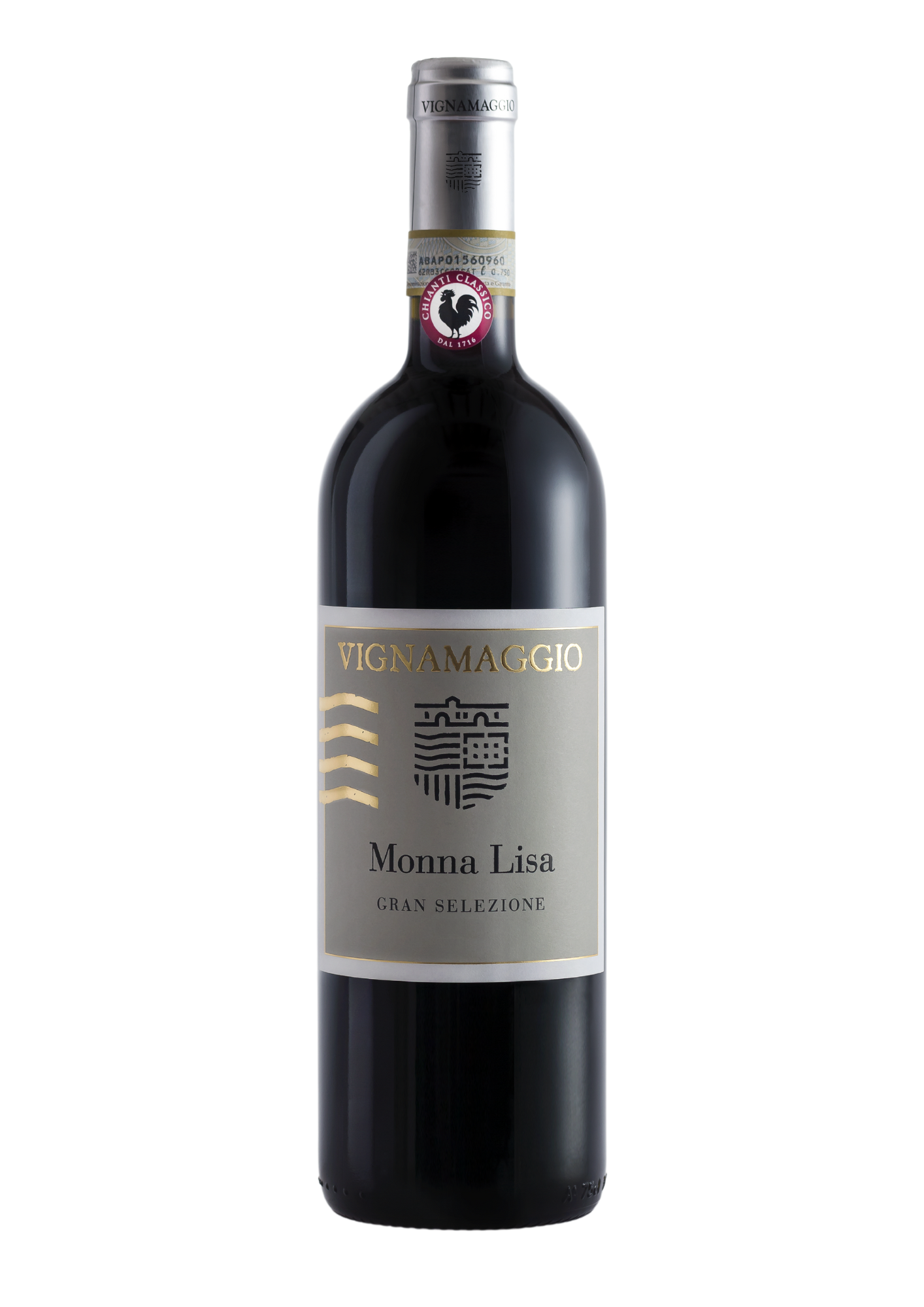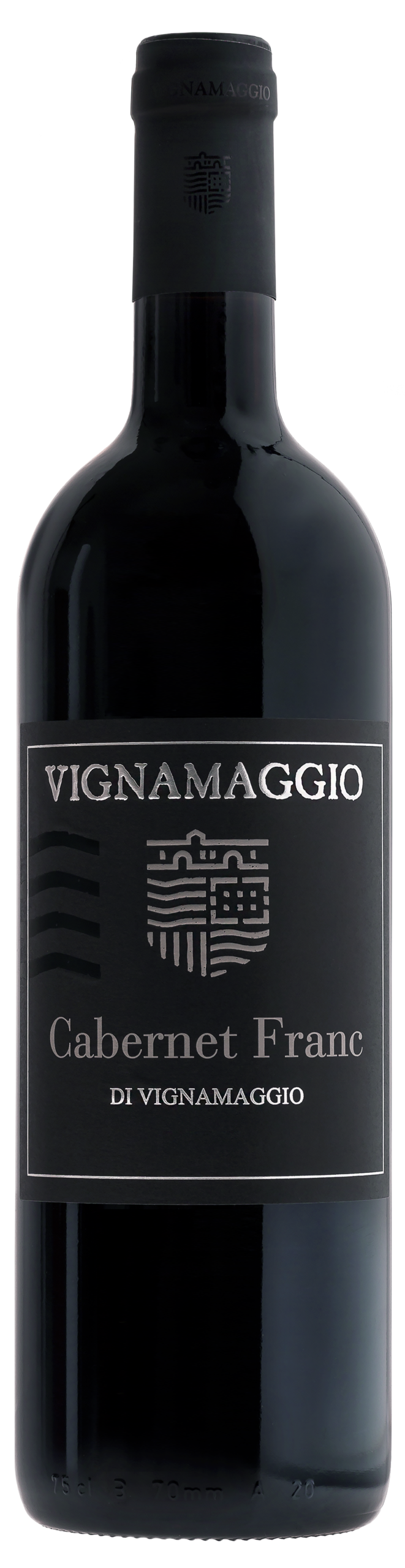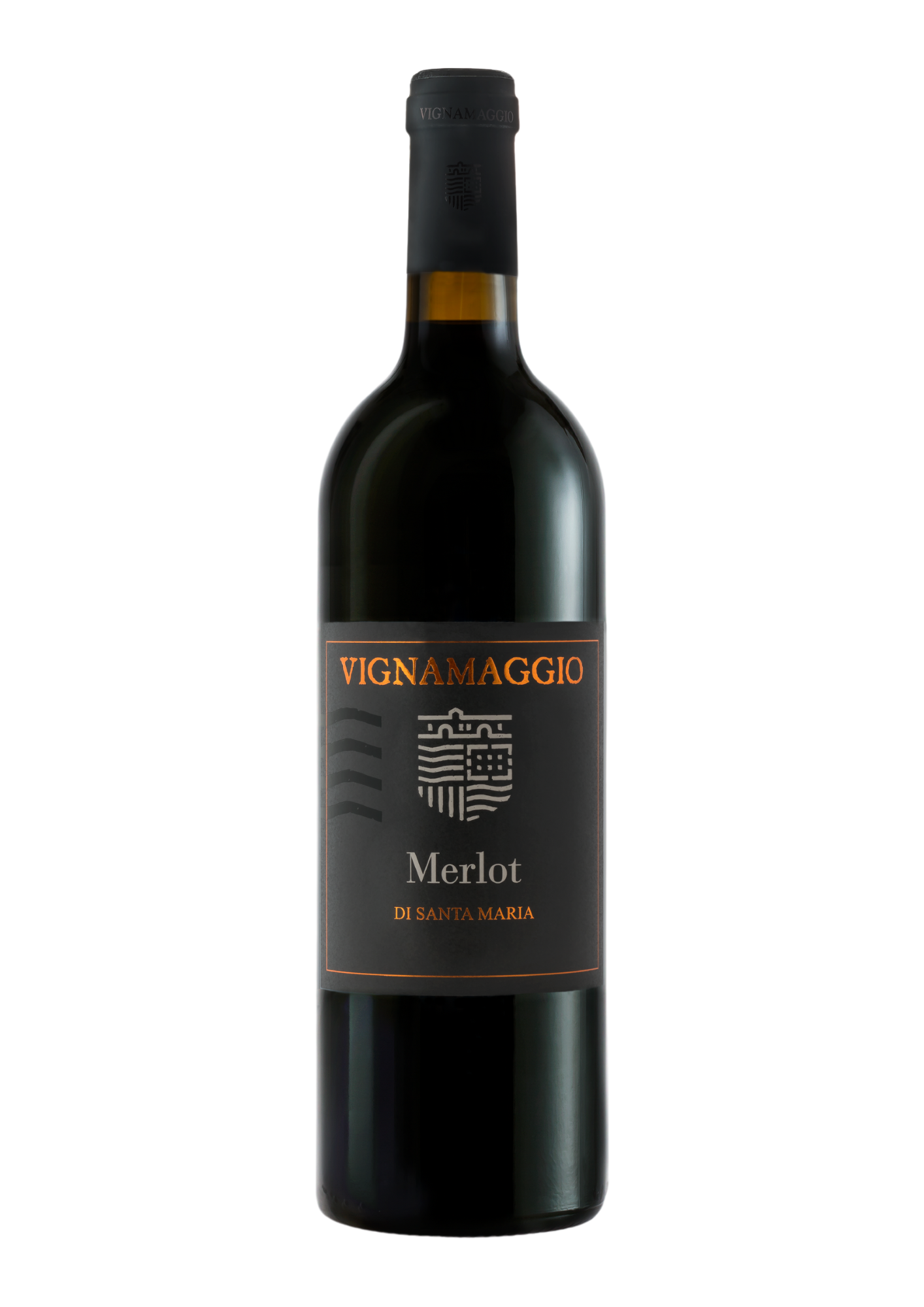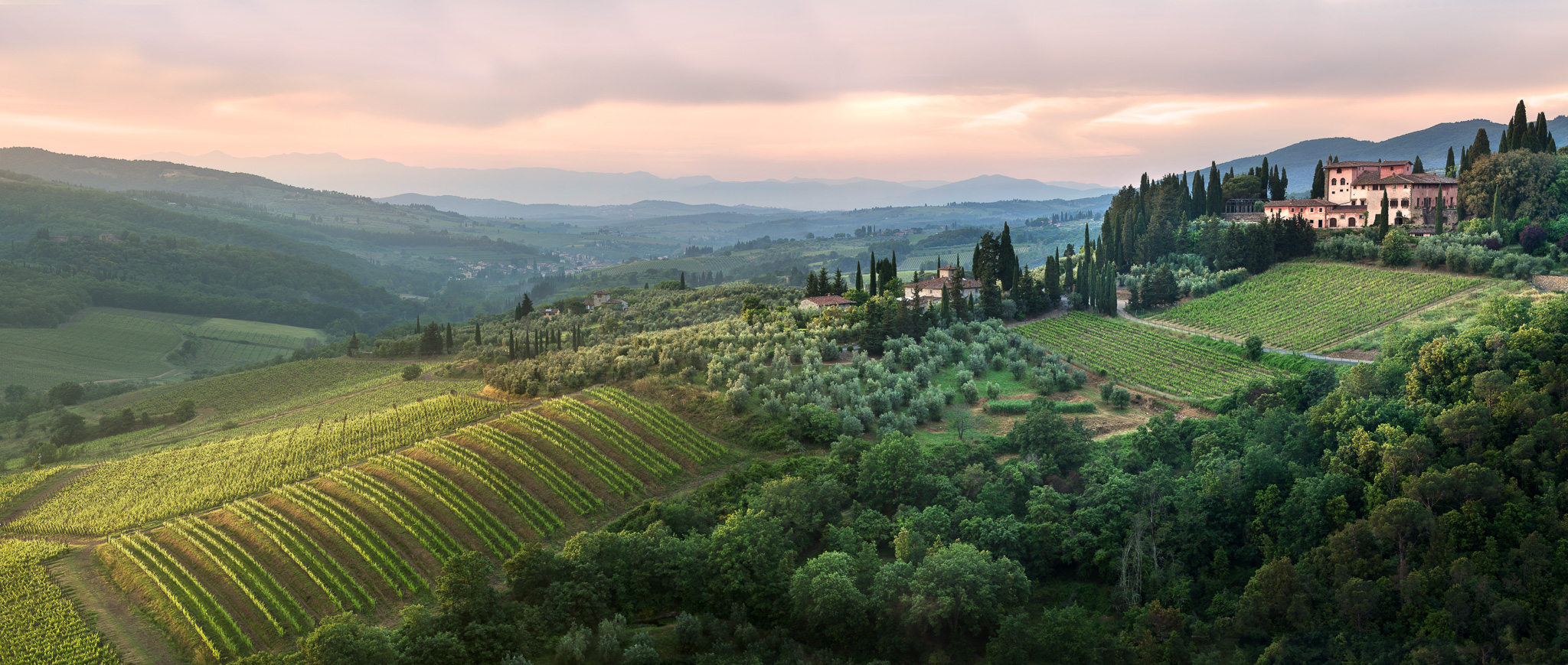

Staff writer Joe Roberts delves into the red wines of Tuscany’s Vignamaggio, an estate with seven centuries of history behind it, but one that is also staking a claim on modern styles of reds made from varieties beyond Chianti’s ubiquitous Sangiovese.
Branching Out in Chianti
When you think about Chianti (particularly when considering its relatively recent top-tier Gran Selezione category), and if you haven’t happened to be born only yesterday, then the immediate word association that’s going to pop up in your mind is almost certainly going to be “Sangiovese”.
Now, that variety still reigns supreme for central Tuscany red wine production, but as I learned during a recent (March of 2026) tasting of the wines of Vignamaggio, Chianti’s spiritual and literal heartland is excelling in surprising ways beyond Sangiovese, even at the flagship-release level.
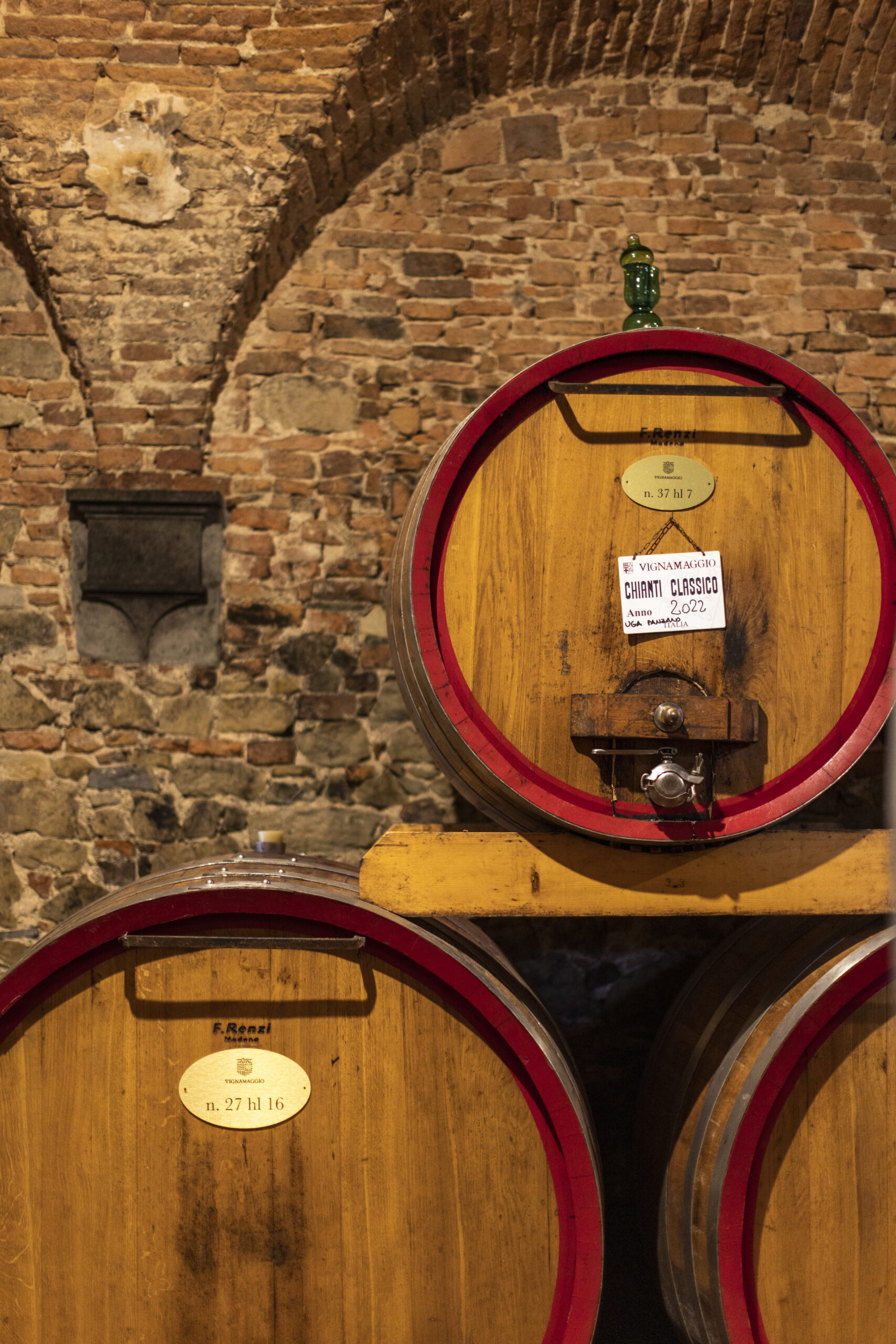
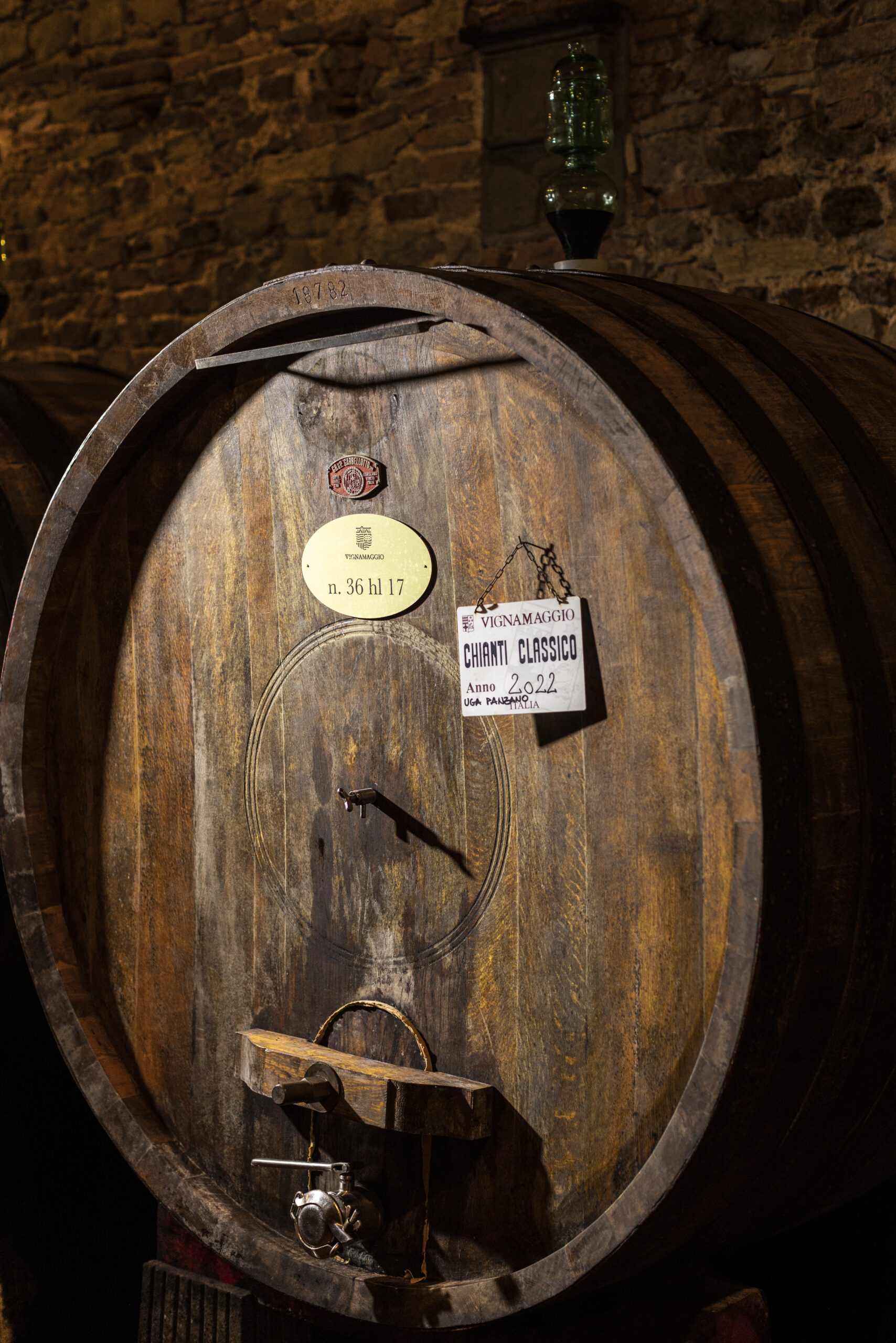
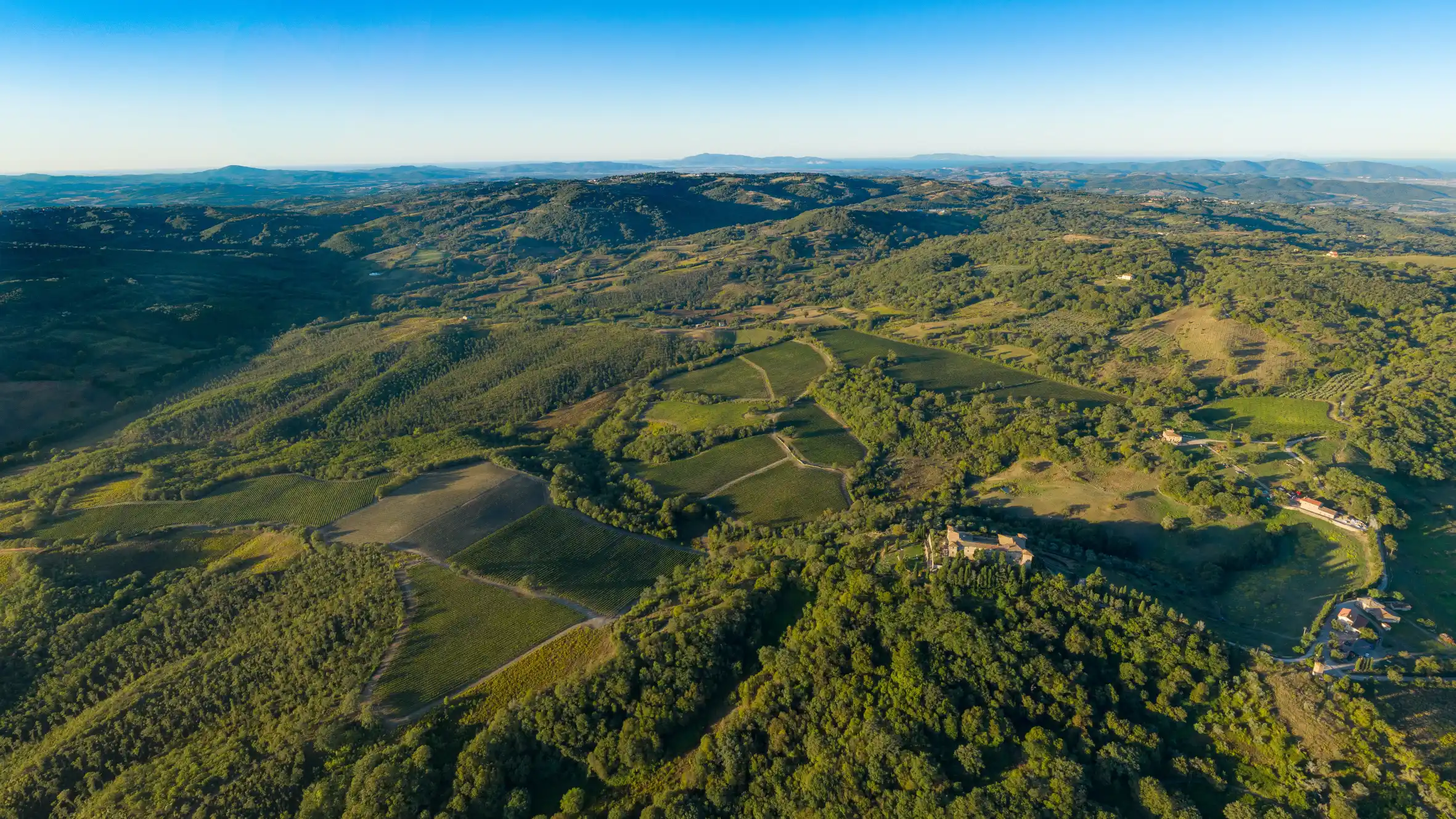
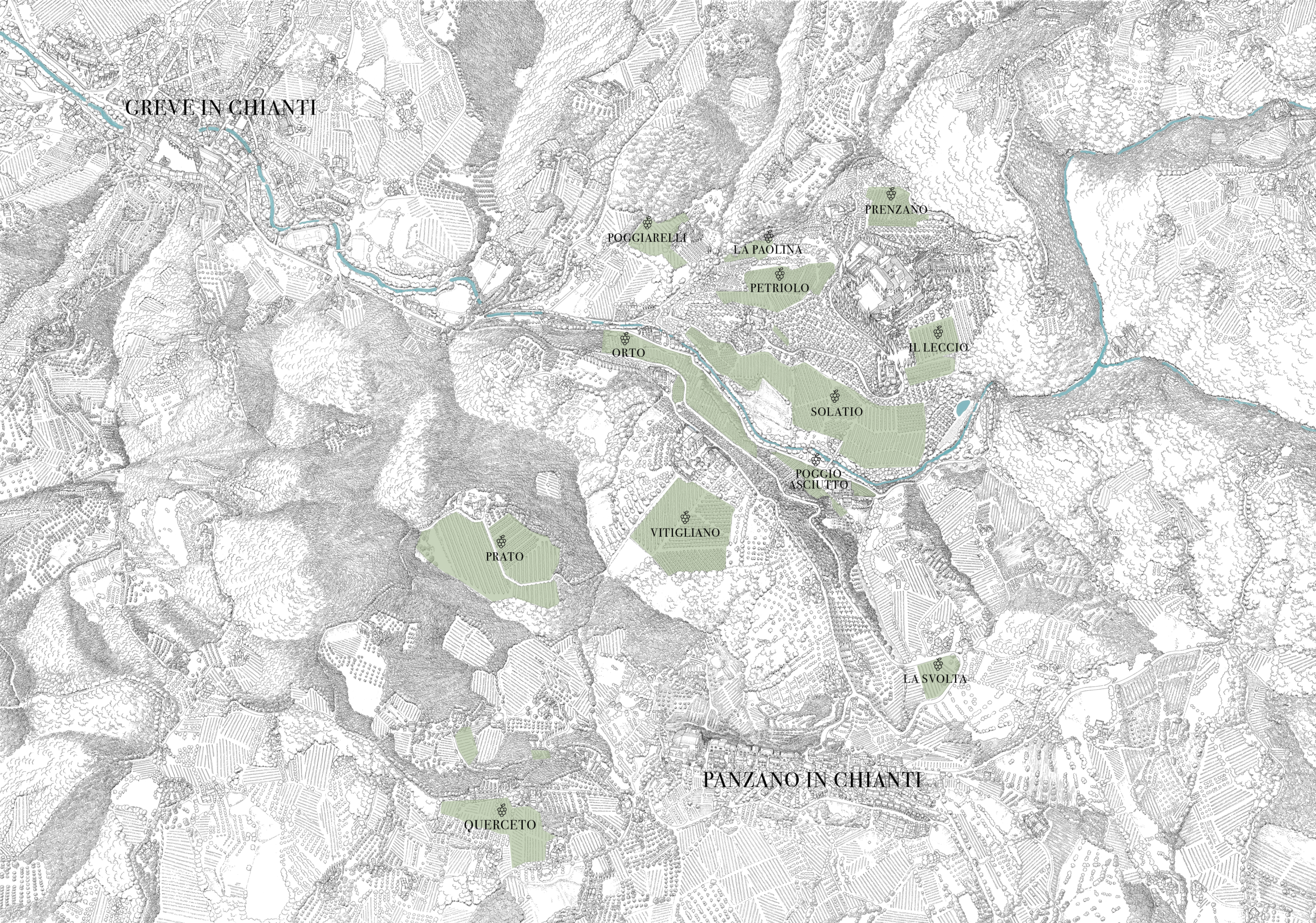
Vignamaggio is an historic agricultural estate in the heart of Chianti Classico, situated between Greve in Chianti and Panzano in Chianti. Its documented ties to viticulture date back to 1404, placing it among the older continuously recorded wine estates in Italy. The property spans roughly 990 acres, of which about 160 acres are planted to vines. Rather than functioning as a single-use vineyard, the estate has long operated as a mixed agricultural system, incorporating olive groves, grains, livestock, and woodland alongside its vineyards (“We are proud also to say that we are also a farm” and not just a winery, noted Lucia Minoggio, head of Press for Vignamaggio, during our tasting). These plantings are distributed across multiple distinct zones, shaped by differences in soil composition, elevation, and exposure.
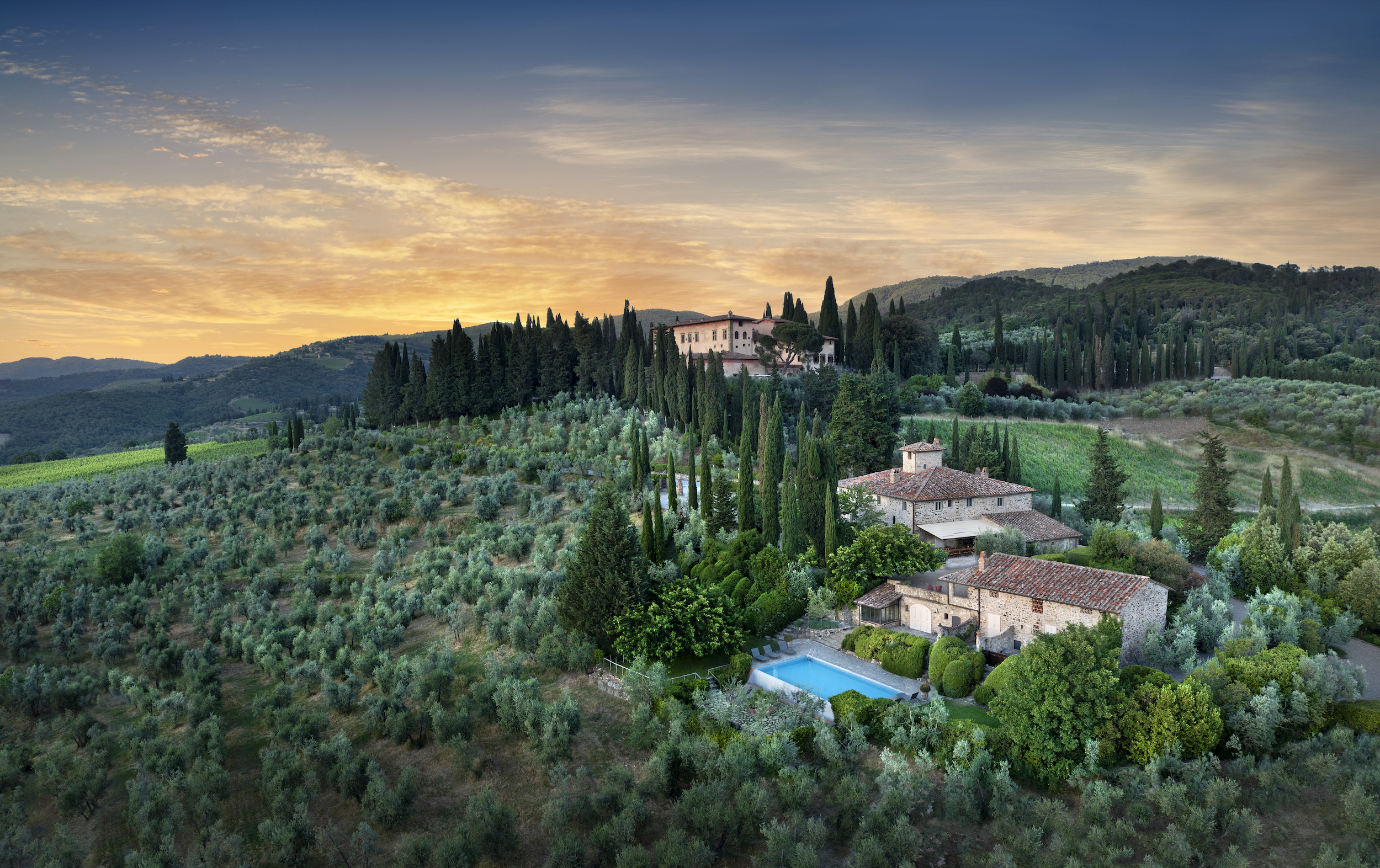
Control of the estate has shifted over the centuries. It originated with the Gherardini family (who were once expelled from Florence and even organized violent raids from exile, intended to block supply runs to the city) in the early 15th century, before debts forced them (no doubt begrudgingly) to pass ownership along to the Gherardi family (Florentine merchants aligned with Medici). After a period of economic difficulty in the 19th century and multiple ownership changes, Vignamaggio re-emerged in the early 20th century as a wine-focused estate, passing again through several different owners and becoming a founding member of the Consorzio del Chianti Classico in 1924.
Over sixty years later in 1987, the estate was acquired by the Nunziante family, who undertook significant restoration of the property and its vineyards, modernizing the cellars and expanding plantings while preserving the estate’s historical framework (they opened to the public the following year). This phase marked a renewed emphasis on both wine quality and hospitality. Today, Vignamaggio stands as a bit of a testament to Tuscan continuity and adaptation, still standing even after a fairly tumultuous six centuries.
“We are very lucky because our vineyards were chosen to grow Sangiovese” with clones that produce smaller, higher quality clusters, explained Lucia Minoggio during our tasting. While their Sangiovese wines are indeed standouts, it’s their lineup of single-varietal flagship wines that show just how surprising—and promising—their location is for growing Bordeaux varieties.