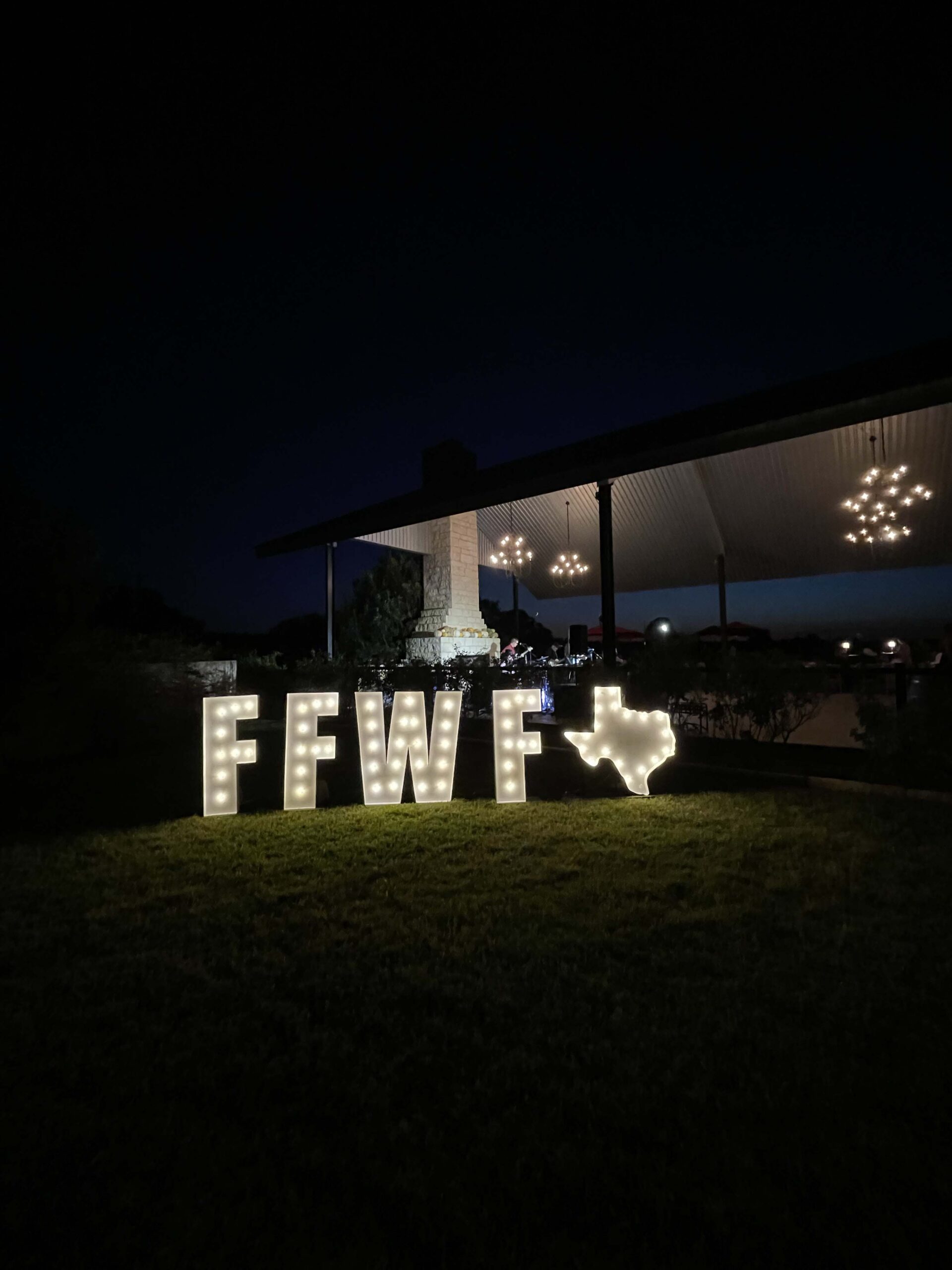

They say everything is bigger in Texas, and at this year’s Fredericksburg Food & Wine Festival, everything was—bigger crowds, bigger conversations, and a palpable sense of momentum for Hill Country wine.
With more than 4,000 tickets sold across Preview Week and the main event, the festival drew visitors from every corner of the state and well beyond, all eager to taste what this region is becoming.
That enthusiasm translated into real impact: $40,000 raised for the Kerr County Flood Relief Fund, more than $30,000 generated through the Texas Wine Auction to support school counselors at Fredericksburg High and Middle Schools, new supplies delivered to the high school’s culinary program, and the launch of the Hill Country Hospitality Relief Fund. Even the sustainability metrics told a story of progress, with over a ton of glass and cardboard diverted from the Fredericksburg landfill through a partnership with Empty Harvest.
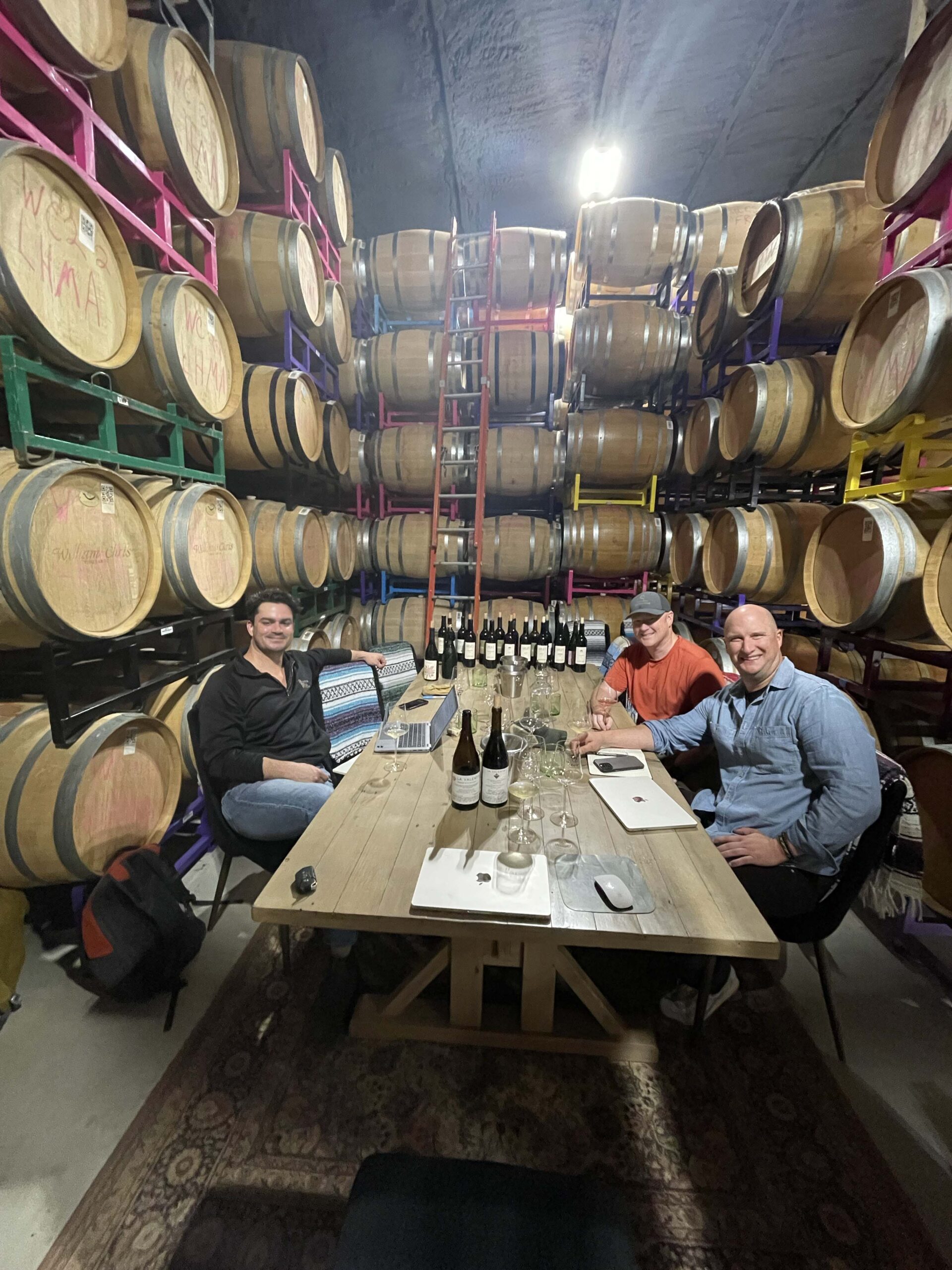
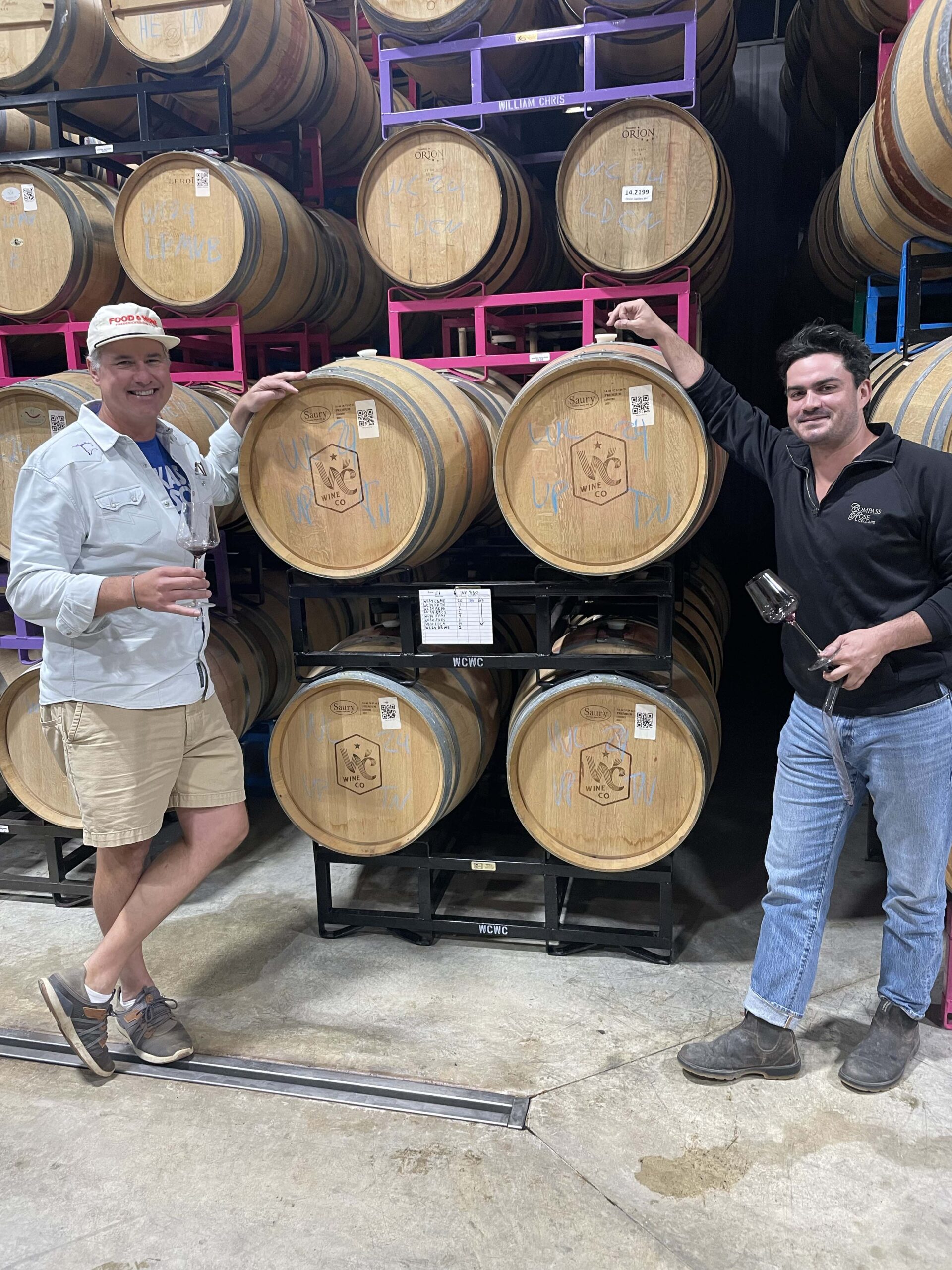
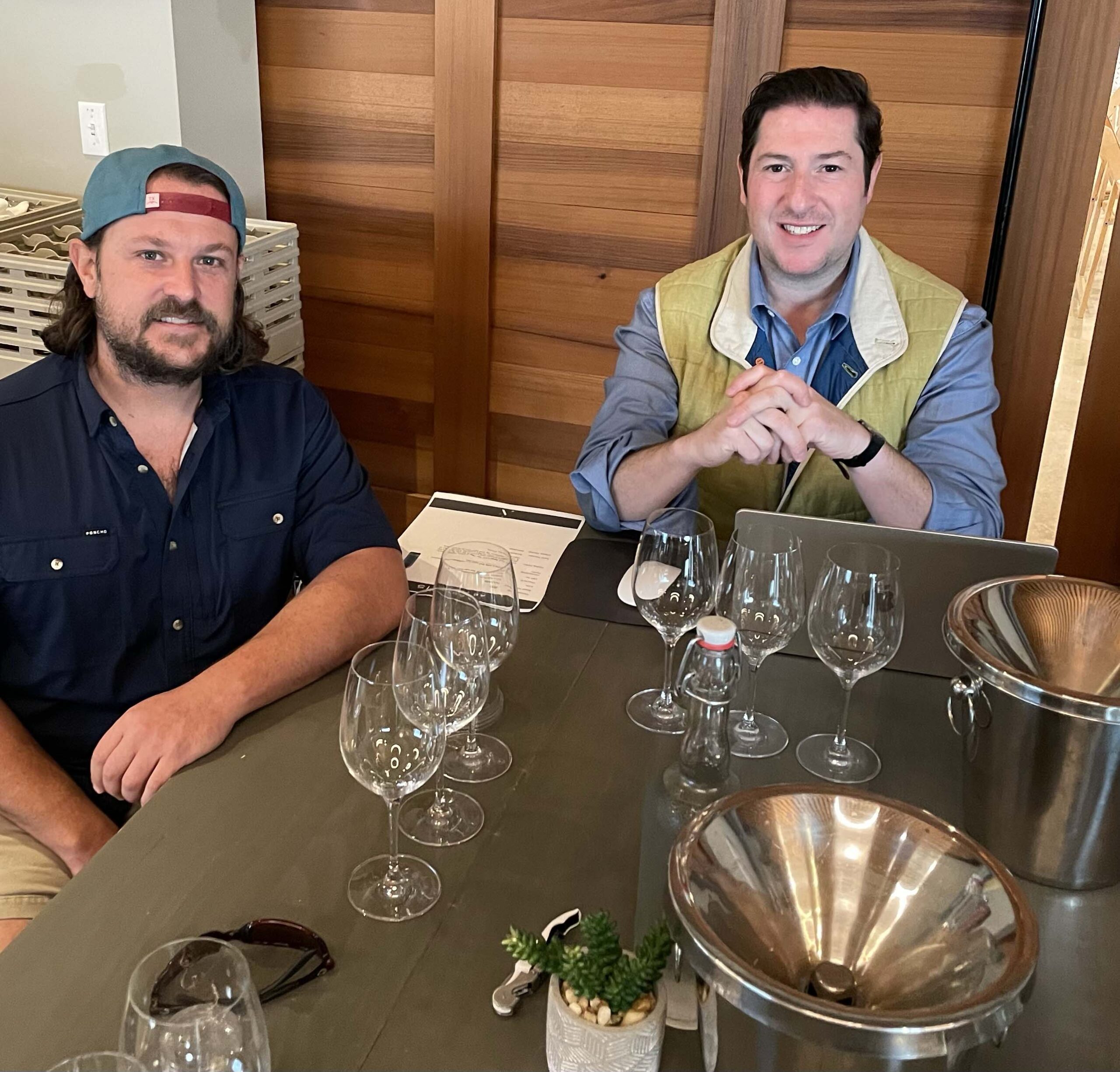
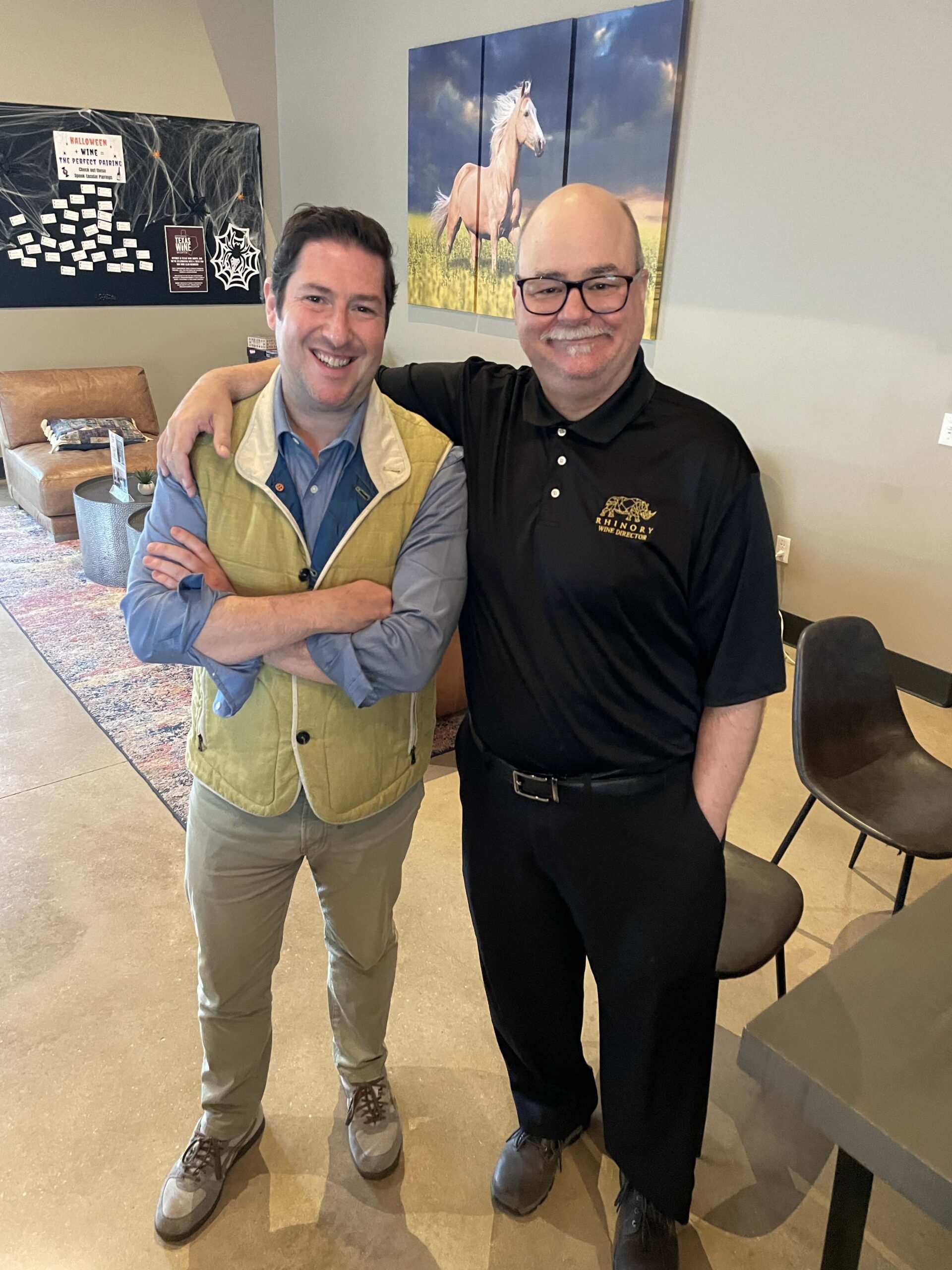
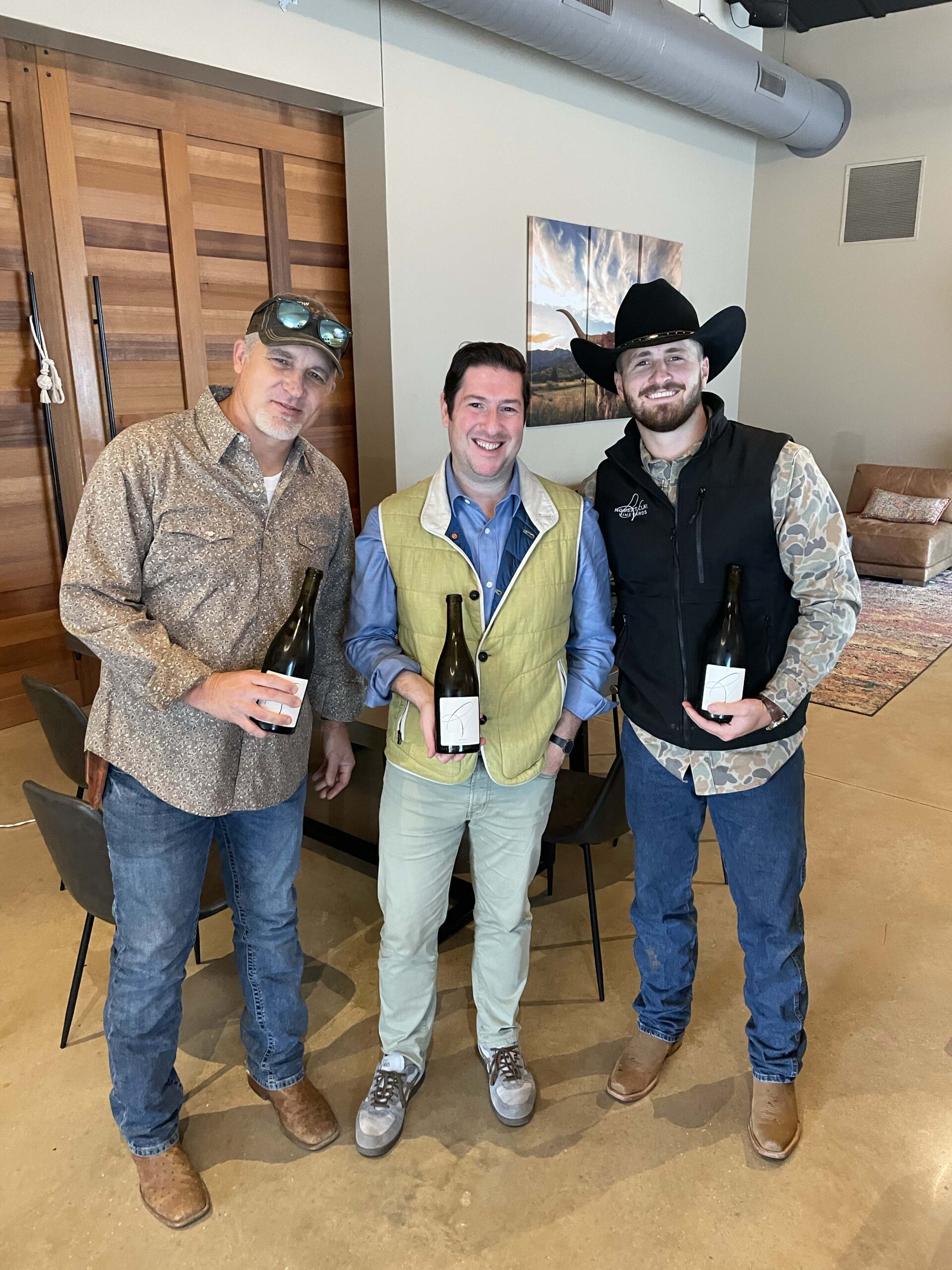
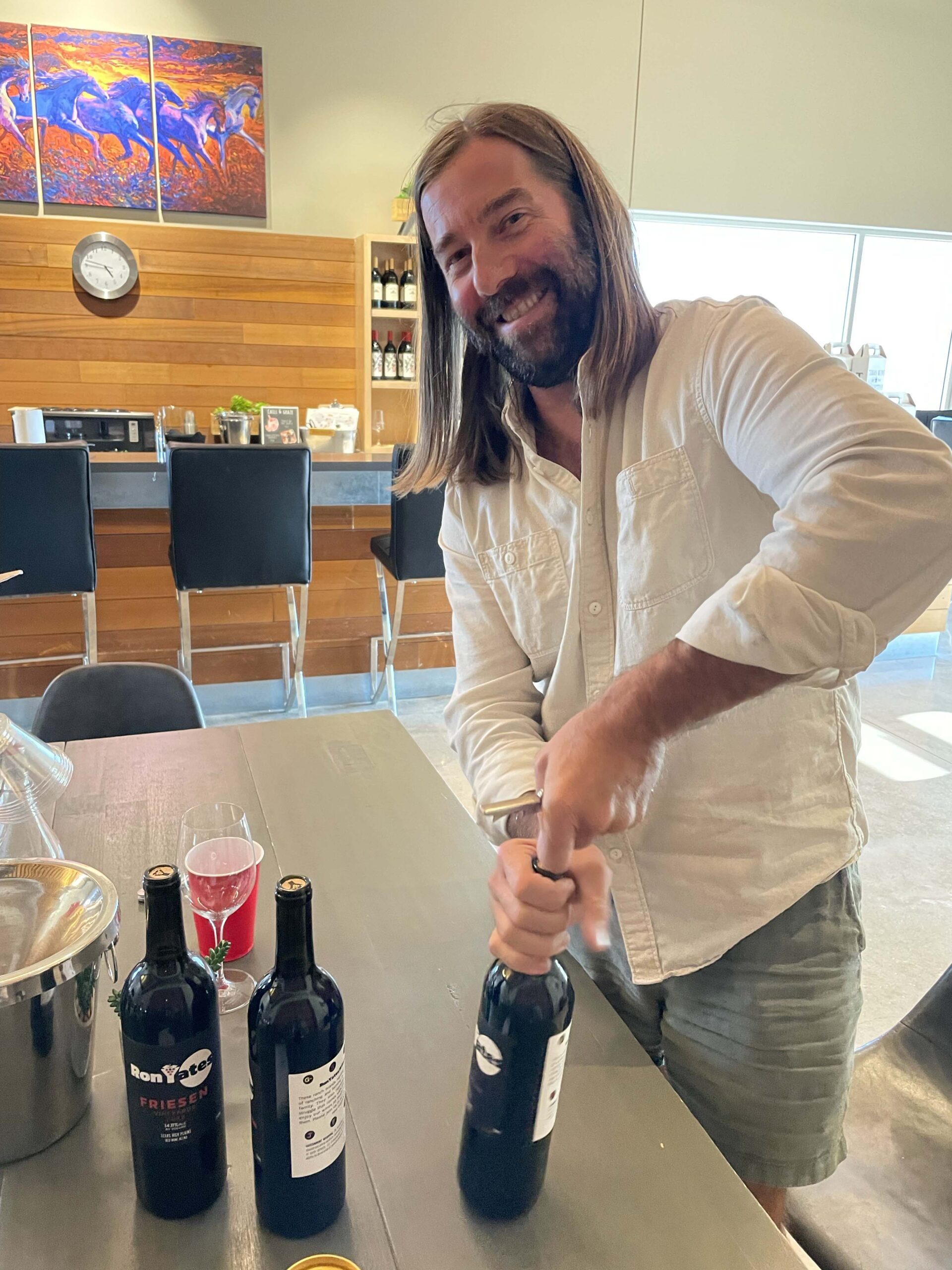
For me, it doubled as a deep dive into the heartbeat of Texas wine. Between the festival grounds, several days of one-on-one tastings at the Texas Wine Collective, and a handful of in-person winery visits, I met an inspiring mix of producers, growers, and passionate festival-goers—fans of Texas wine who were generous with both their time and their enthusiasm.
One of the many emerging attractions of the Texas wine scene is its genuine value—while the boutique charm and terroir of the Texas Hill Country may echo more high-end regions, the price of both the wines and a visit delivers plenty of bang for the buck.
On the wine front, many 100 % Texas-sourced bottlings are available in the $20–$30 range, with dry blends and single-estate examples often falling comfortably into this band.
Lodging in Fredericksburg follows suit: mid-range hotel rooms average around $200–$250 per night (budget options can fall into the $90–100 range). Luxury options are reasonably priced at $300-$400+ per night.
Dining is similarly approachable—an inexpensive sit-down meal runs roughly, $14, while a three-course dinner for two at a mid-range restaurant can be around $65 in Fredericksburg. The implication: a weekend exploring the vineyards, indulging in local fare, and staying in town is not only a richly sensory experience, but also a remarkably accessible one.
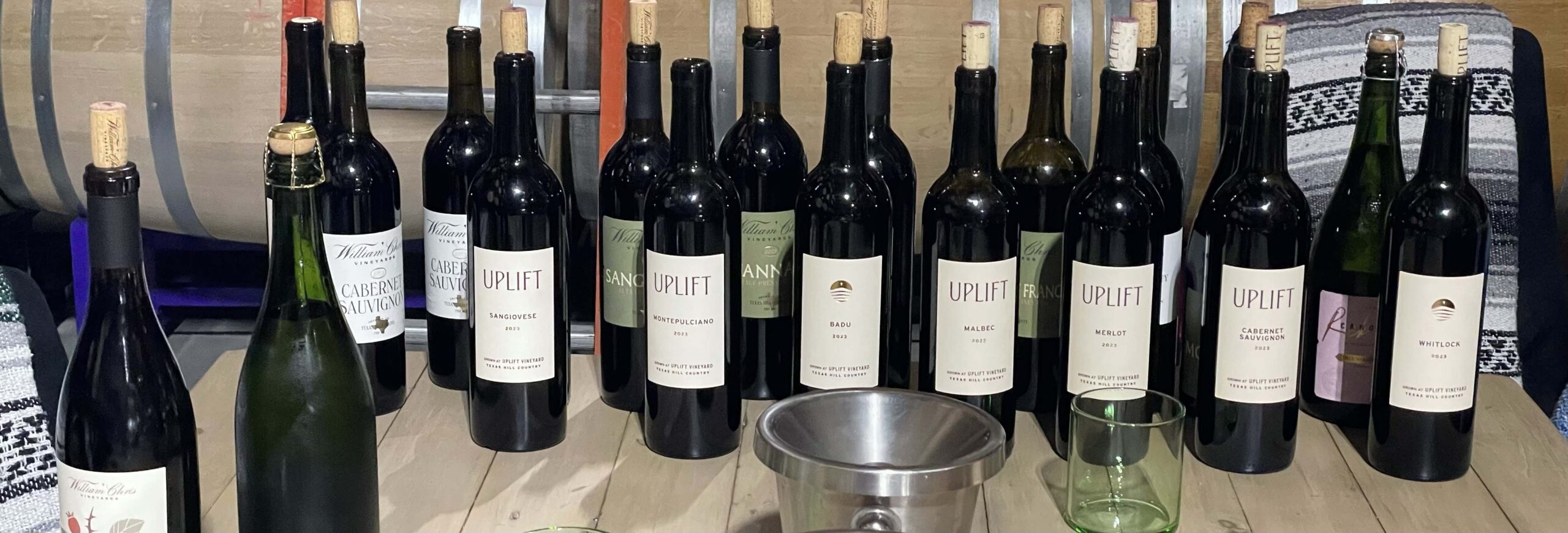
As for my visit, it was a joy to be stopped by readers, to meet so many new people, and to feel part of the collective pride that’s pushing this region forward. I’m already looking forward to coming back. In this article, you’ll find the roughly 100 new wines I tasted during this trip, the producers I spent time with, and—after much deliberation—my Top 10 Wines of the festival weekend.

Cristaldi's Top 10 Picks From Fredericksburg Food & Wine Festival Weekend
Cristaldi on the Texas Trail
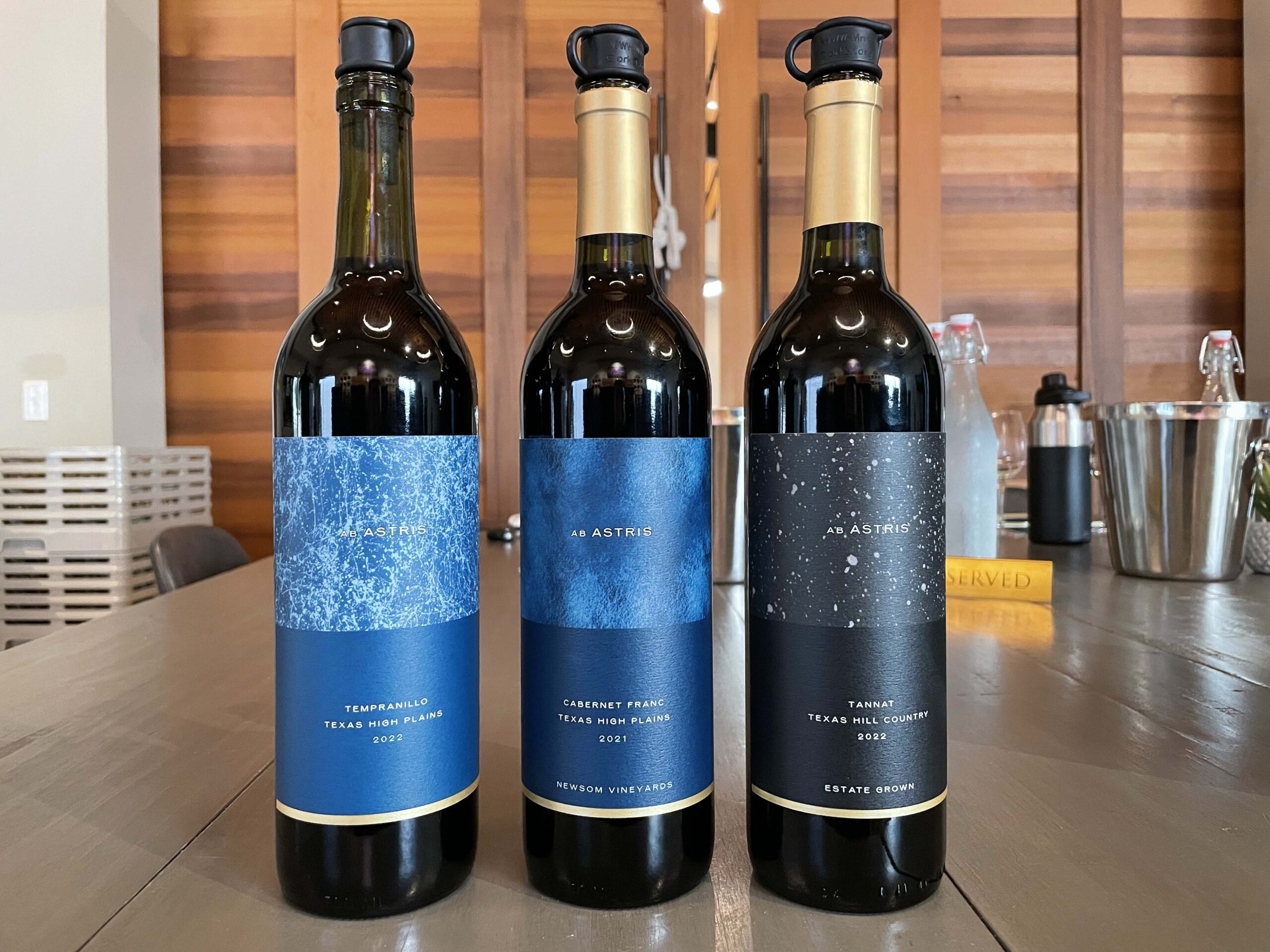
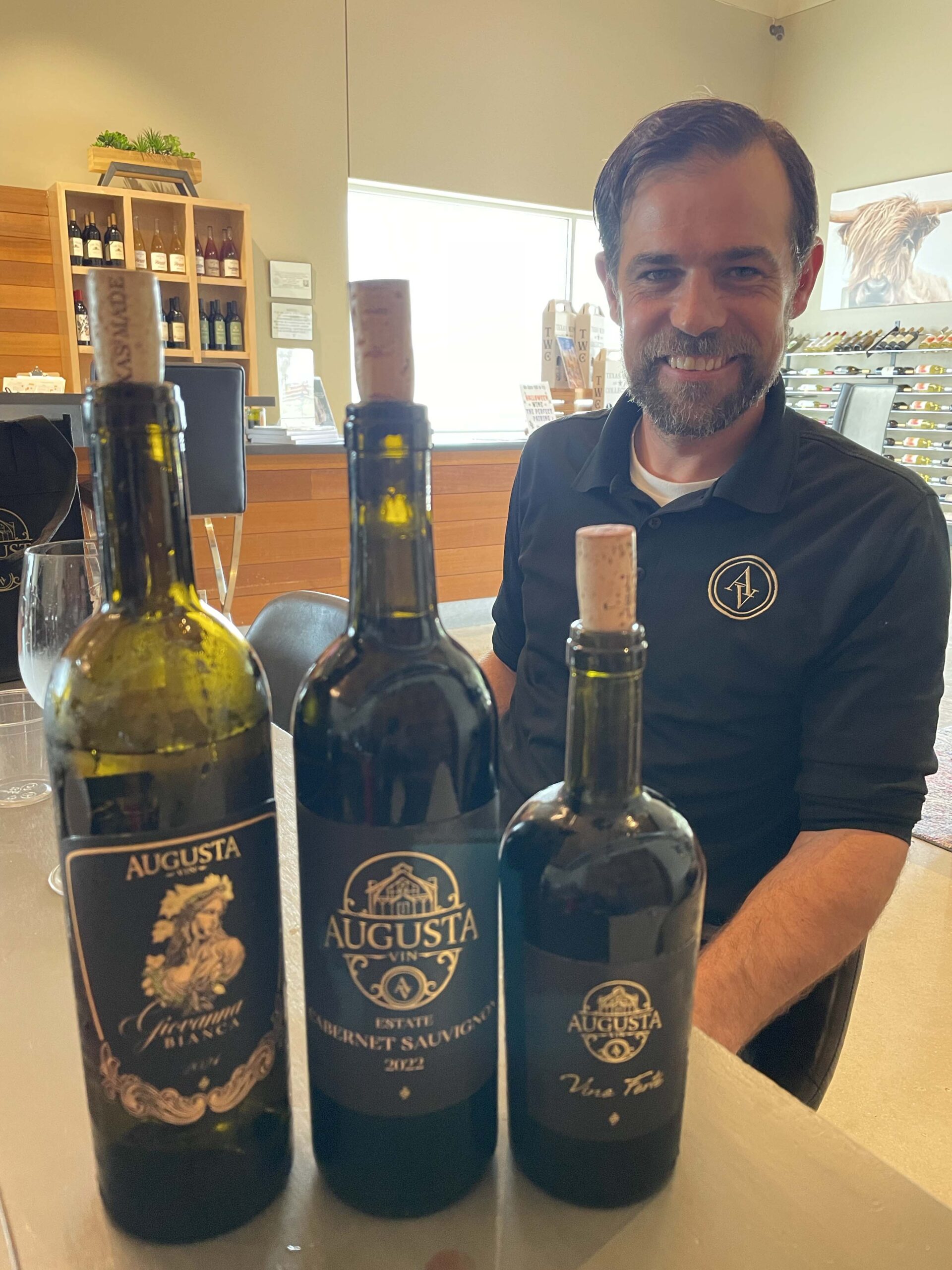
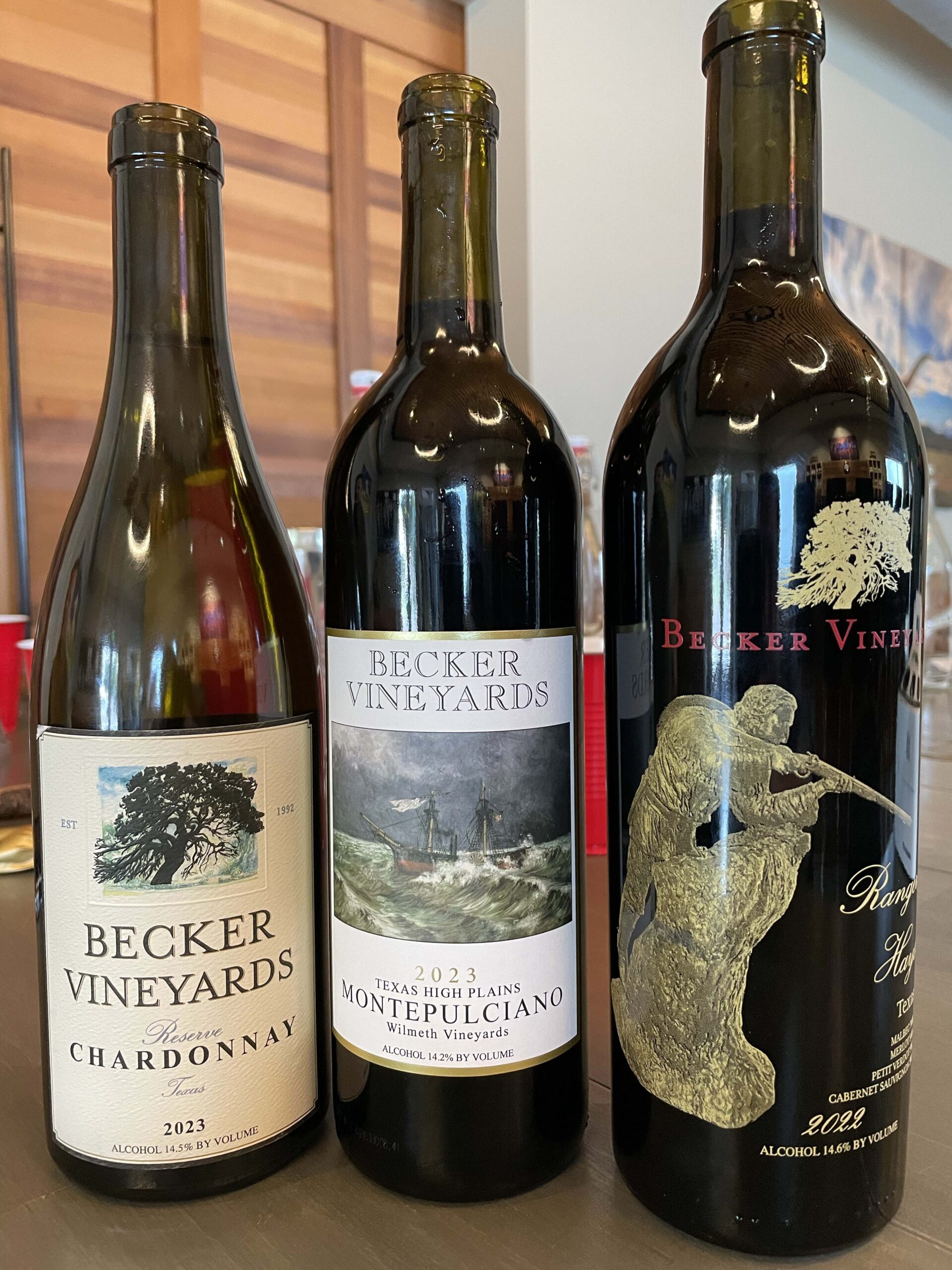
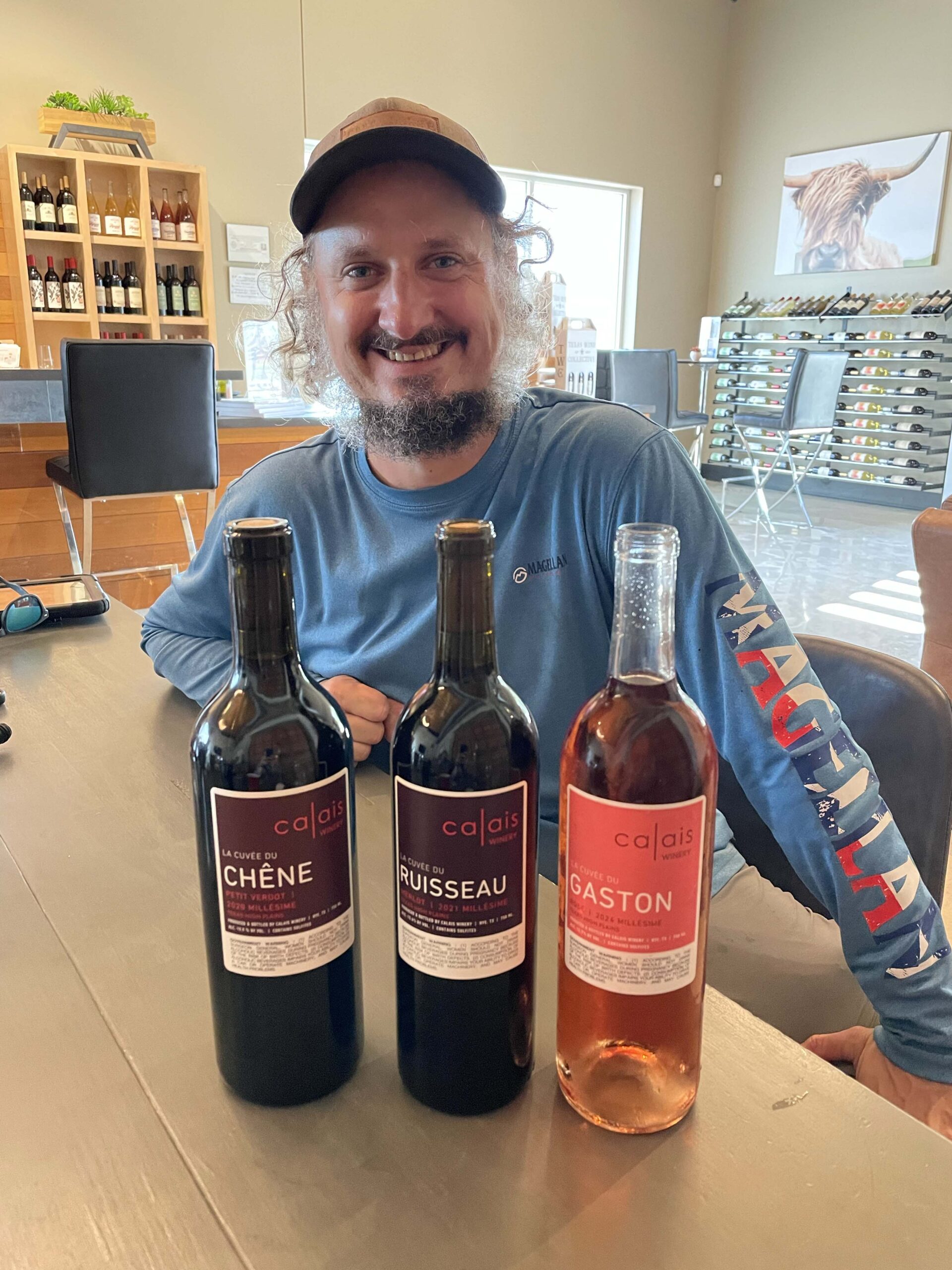
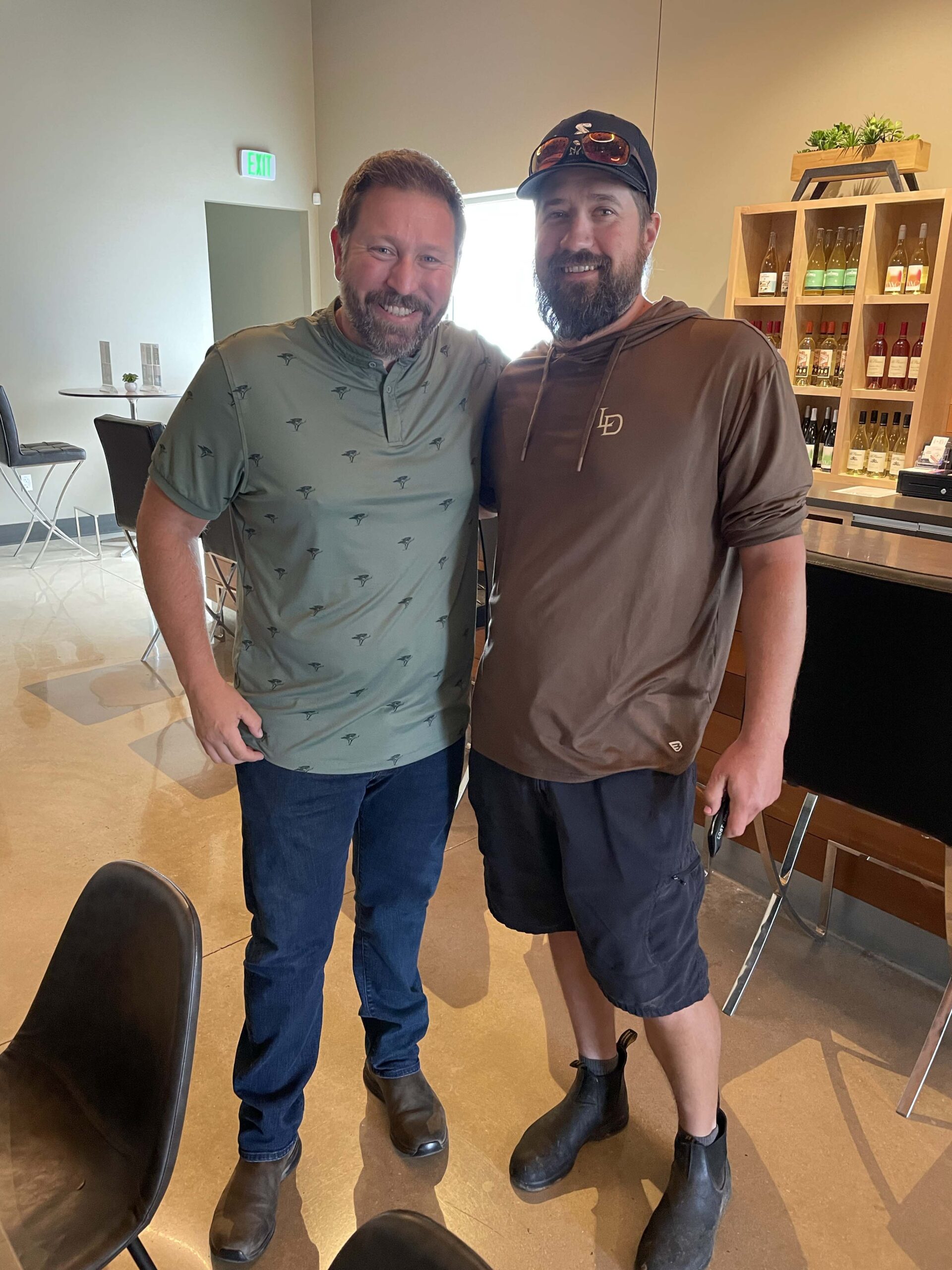
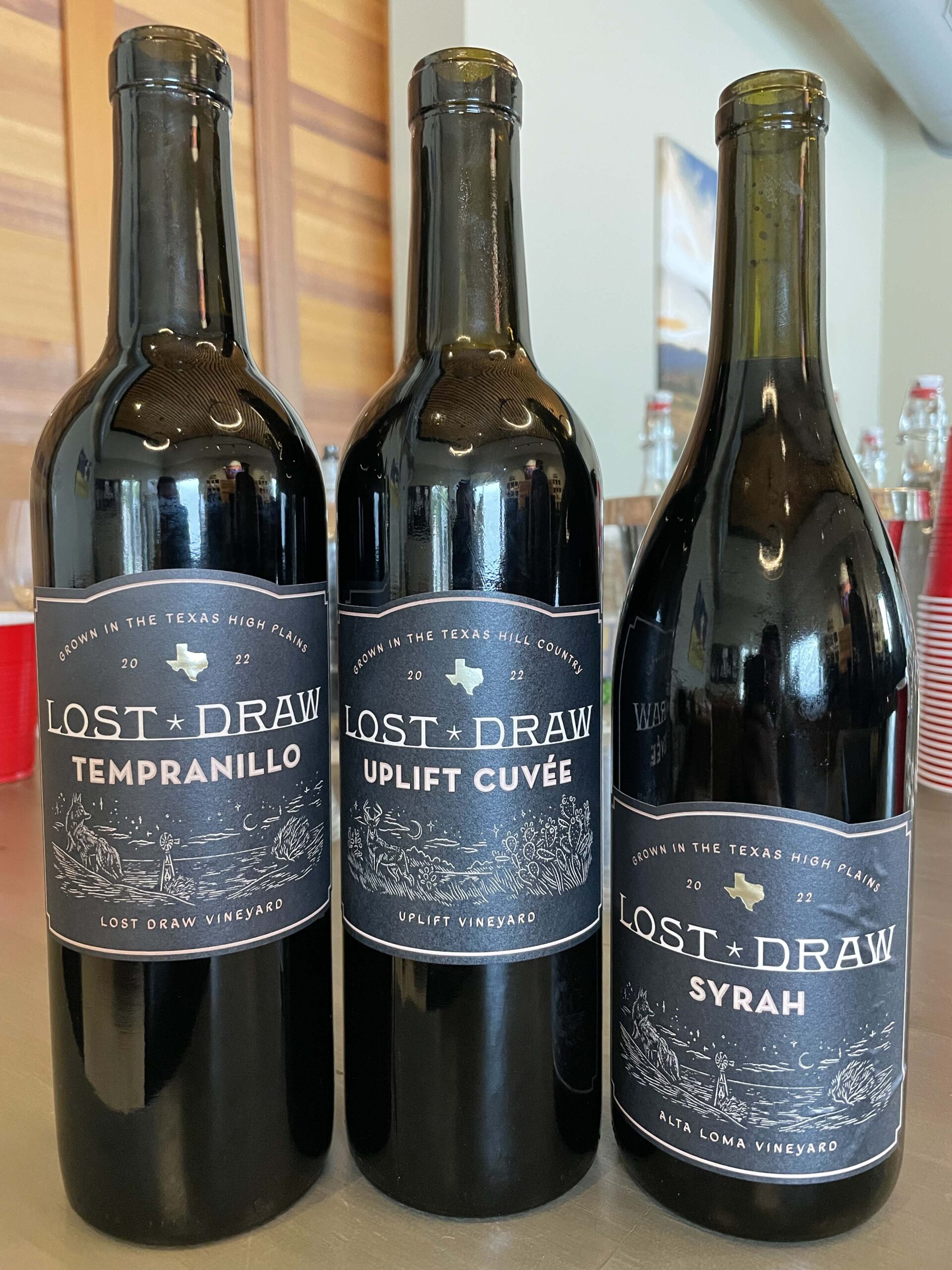
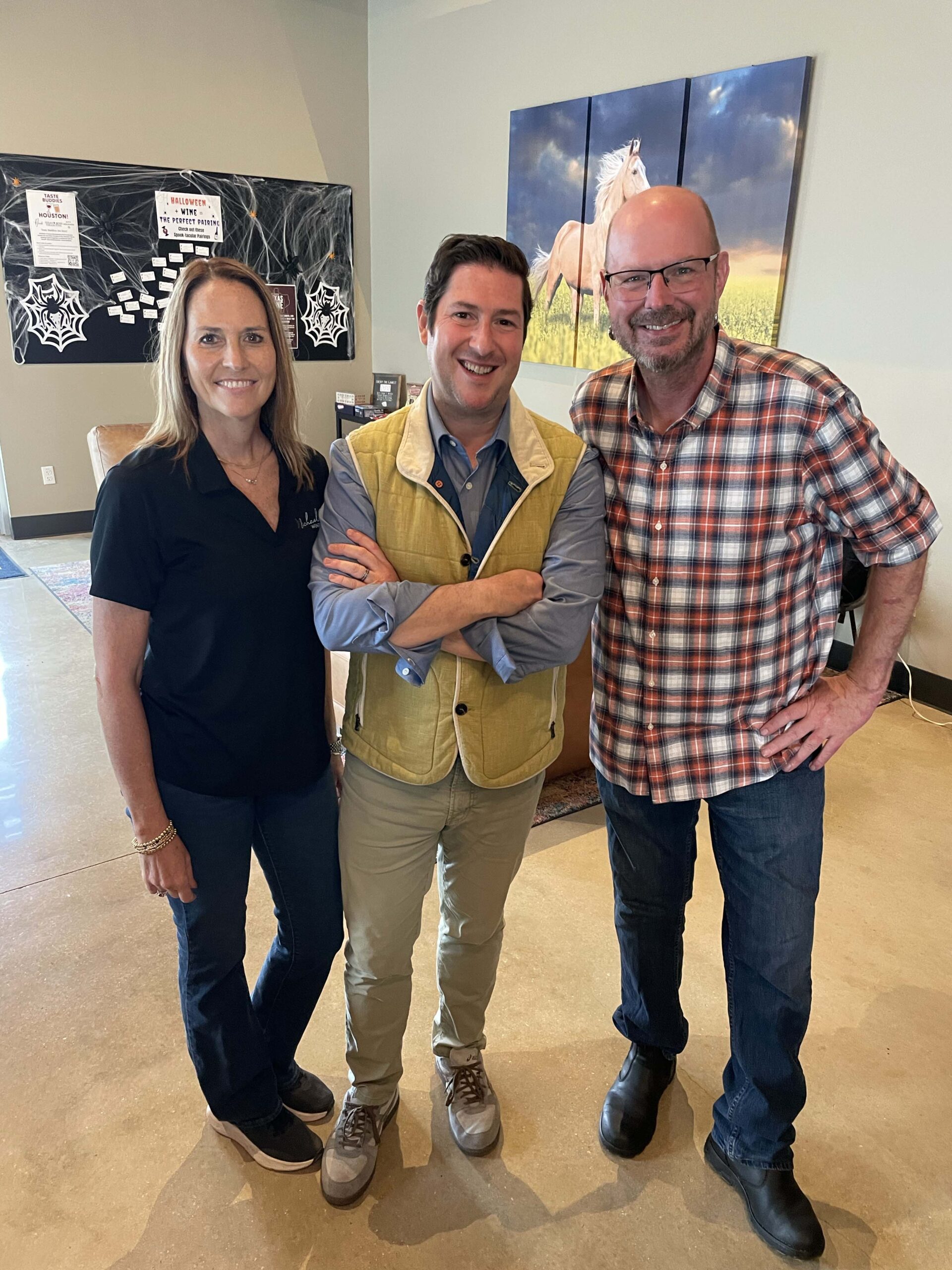
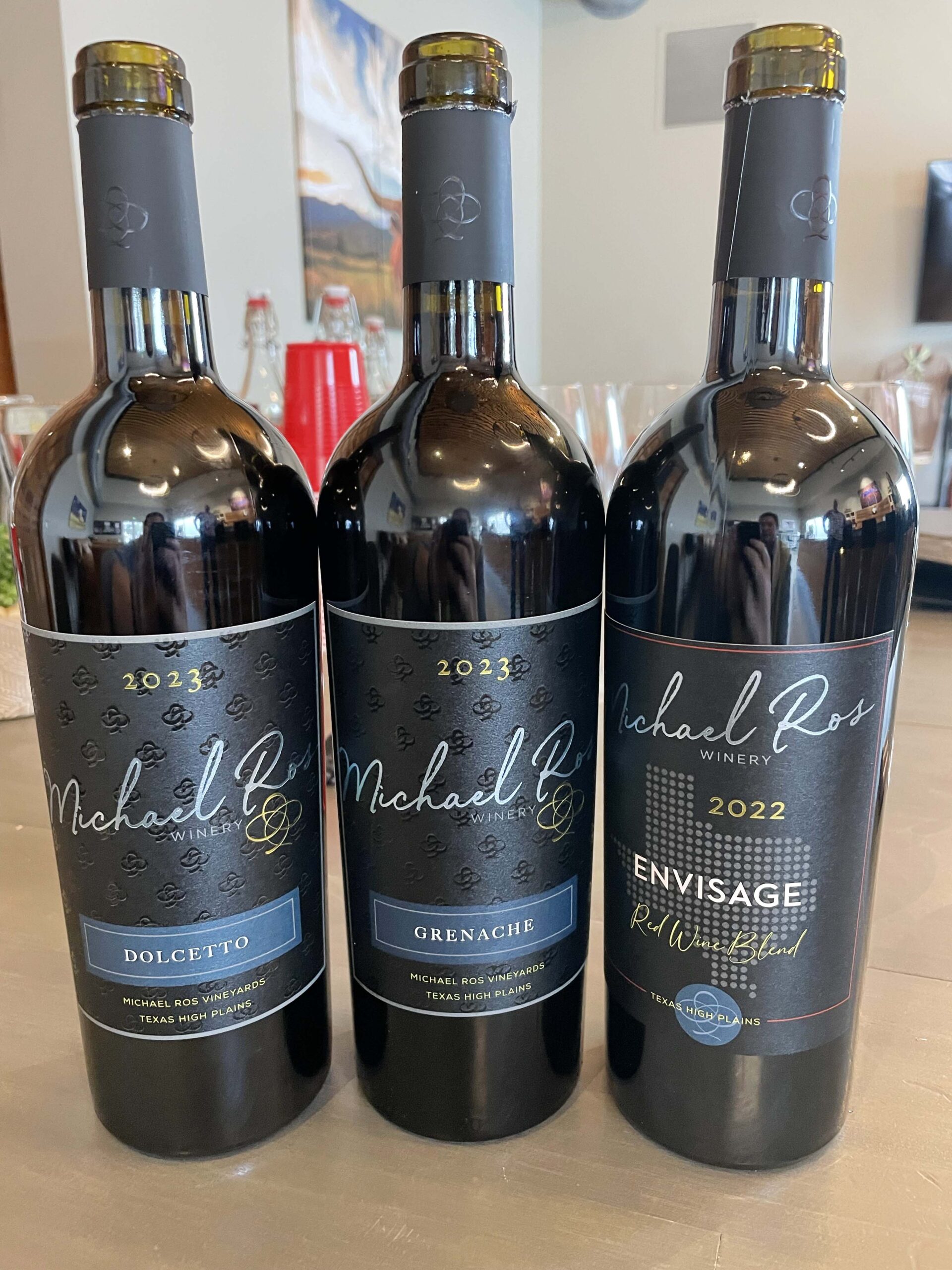
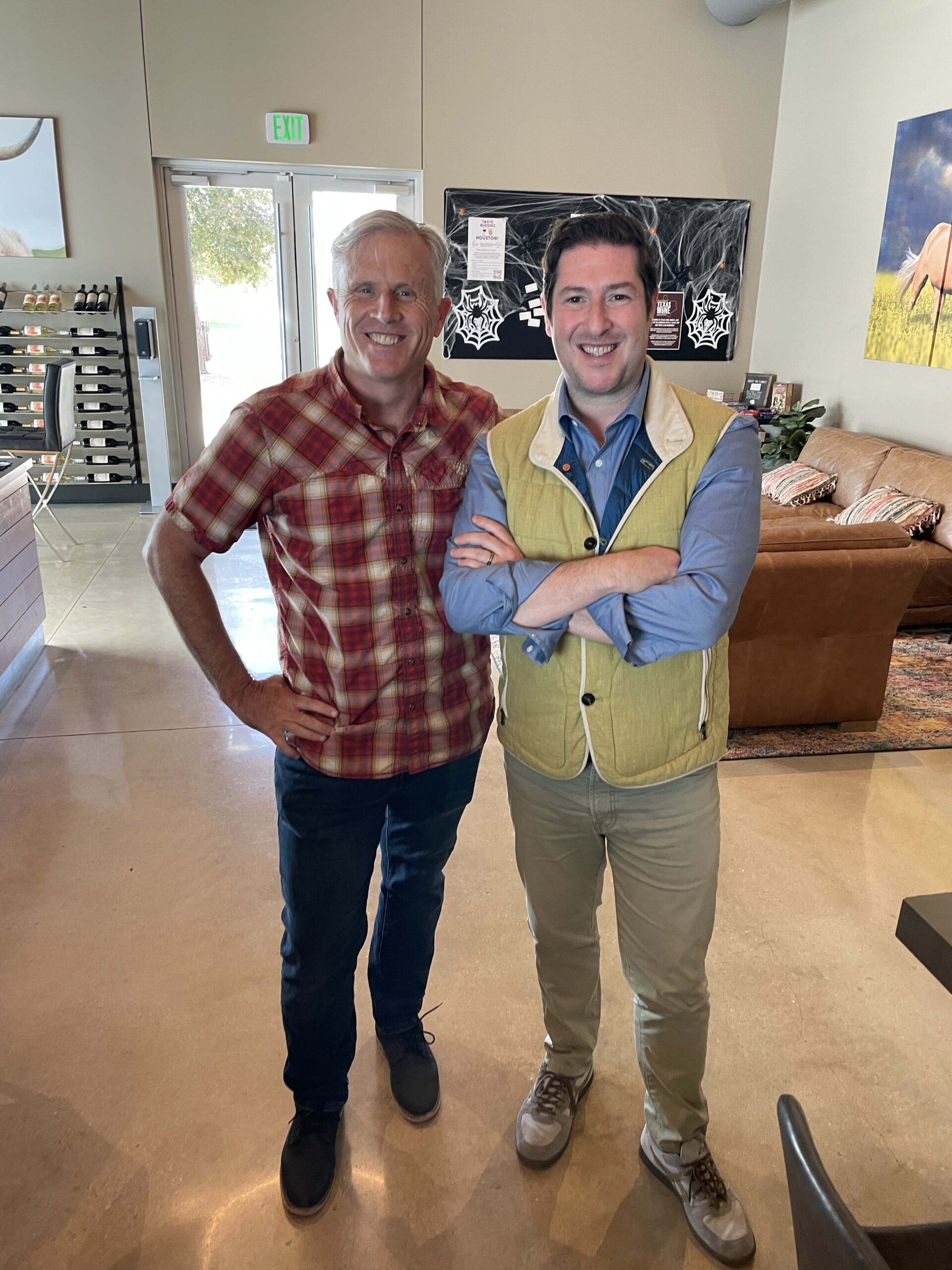
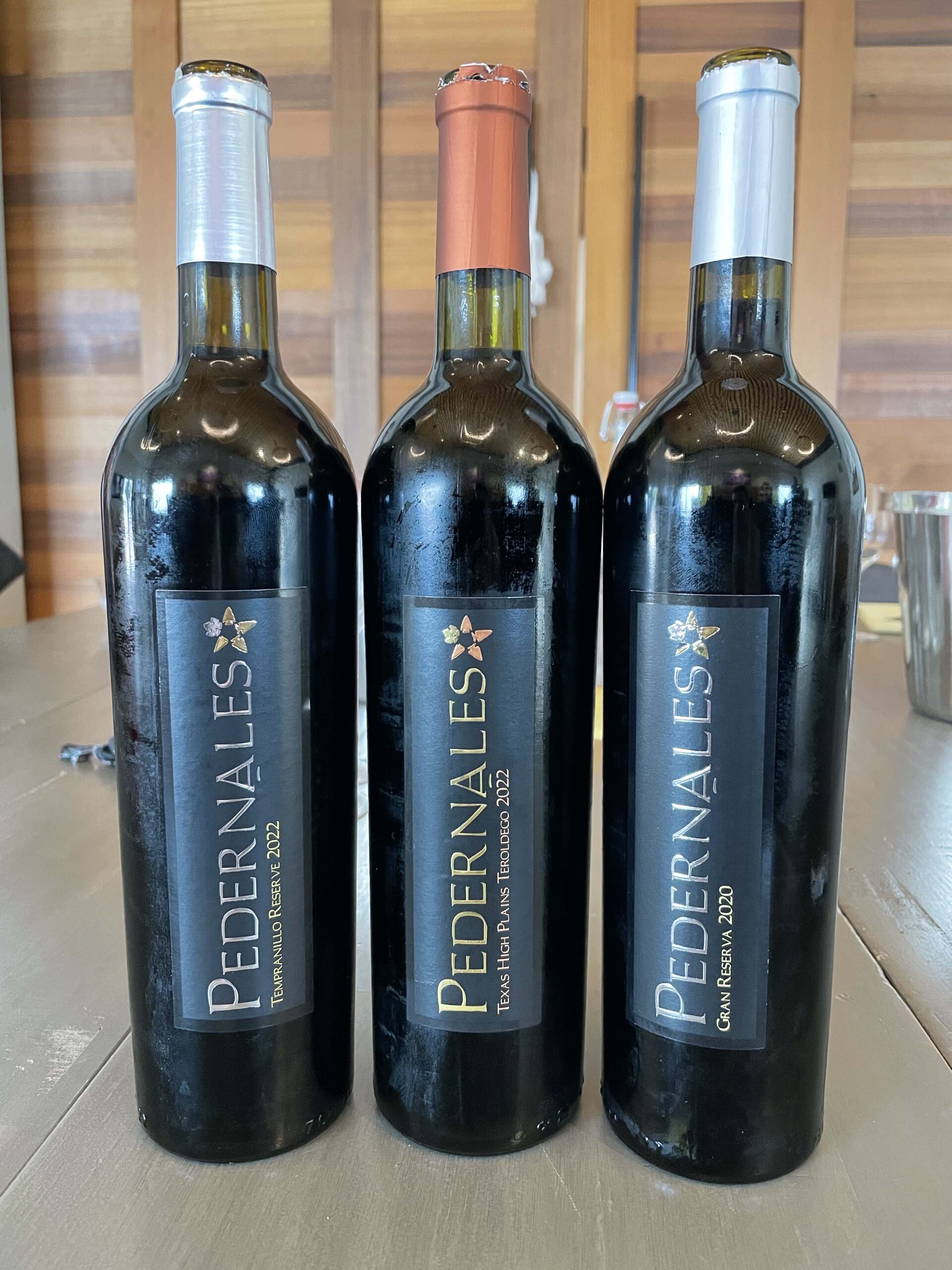
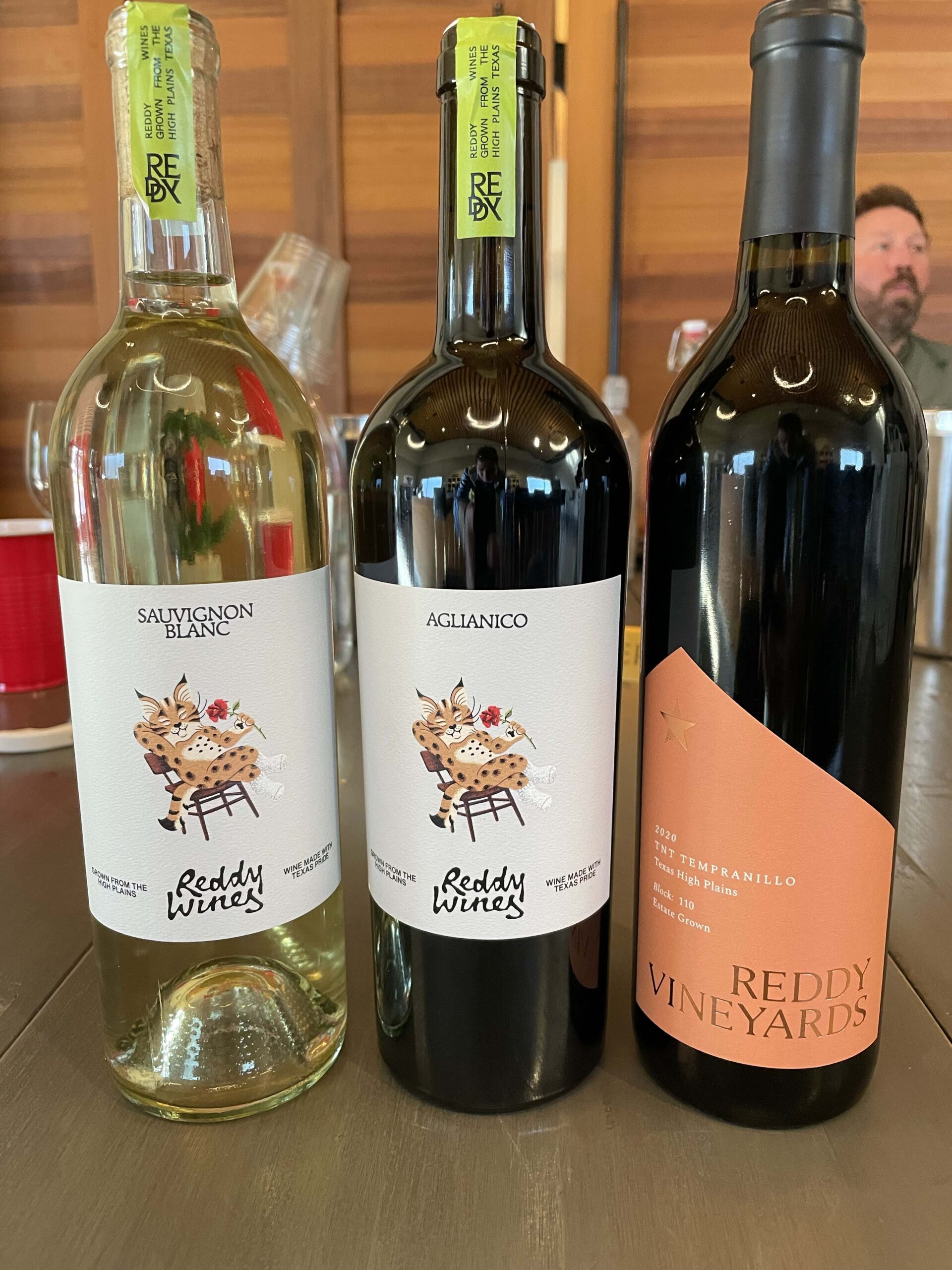
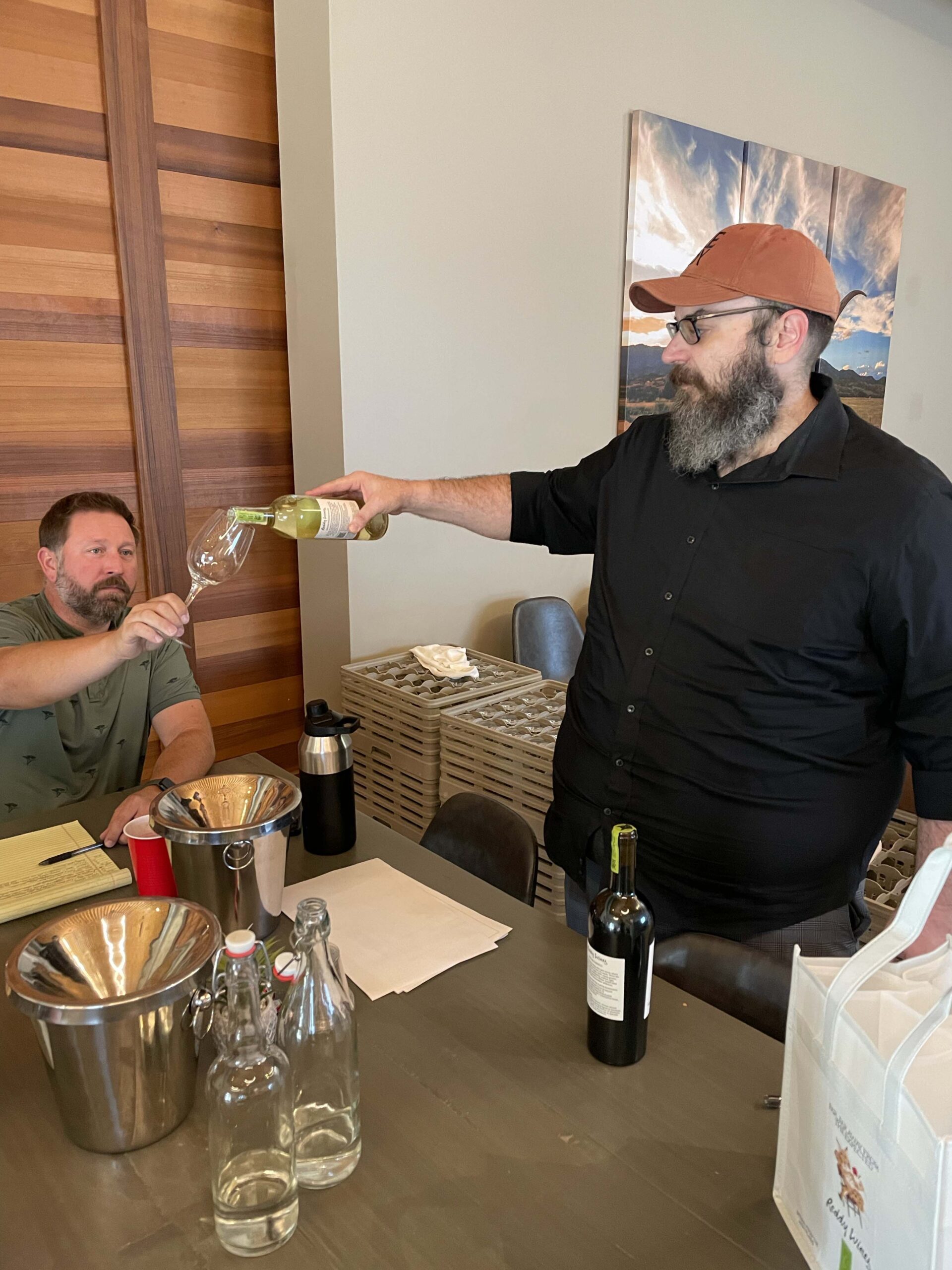
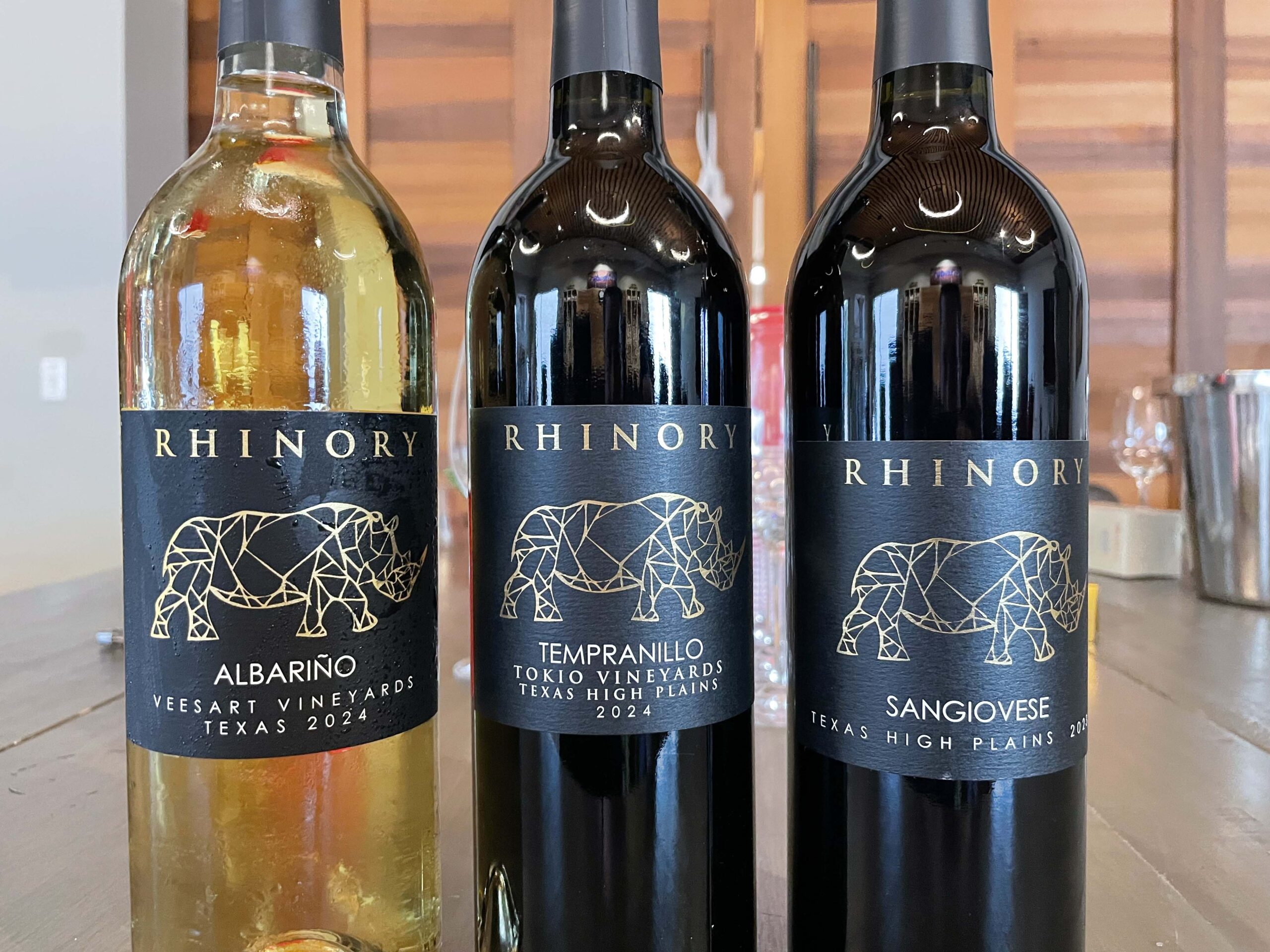
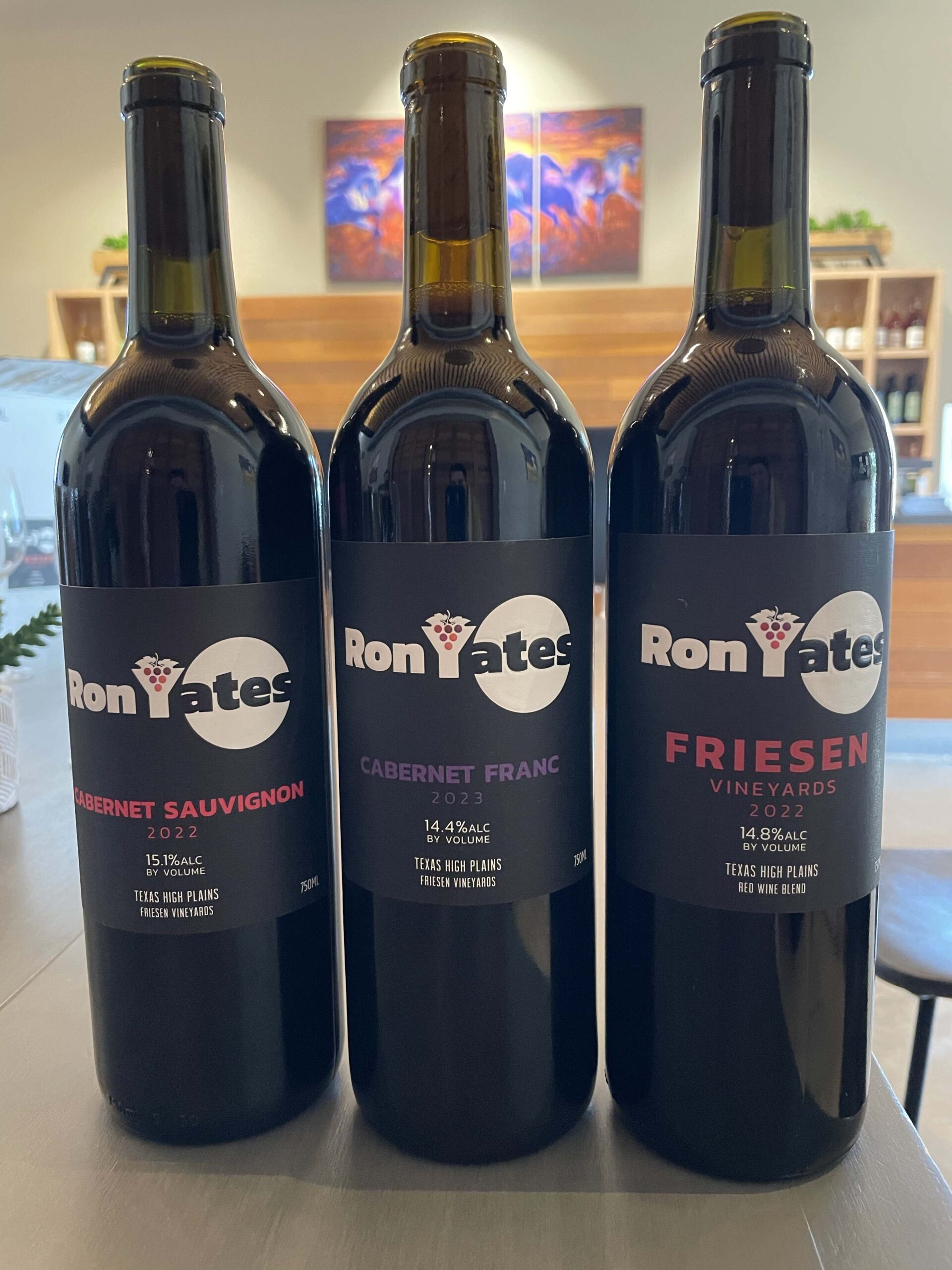
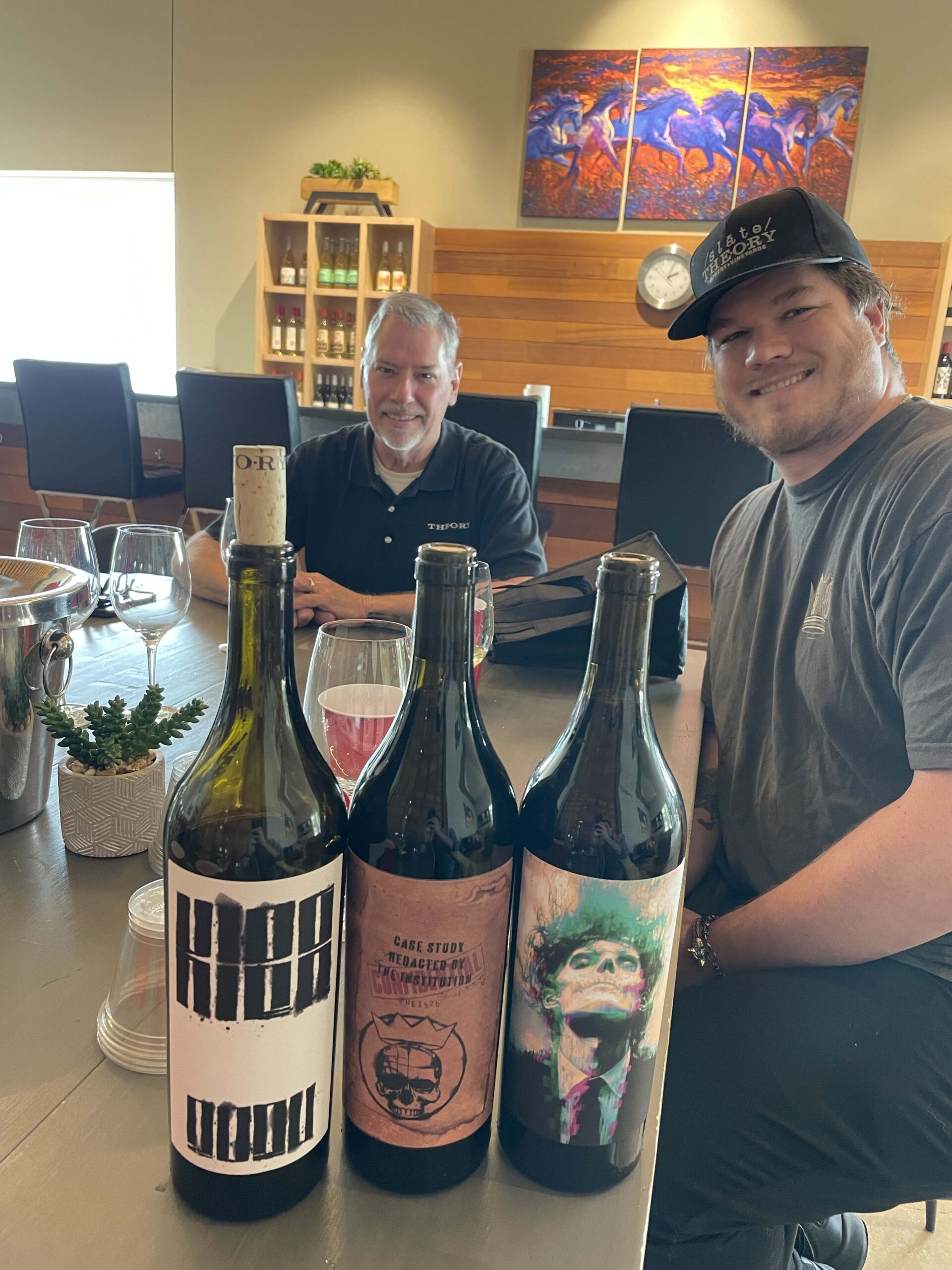
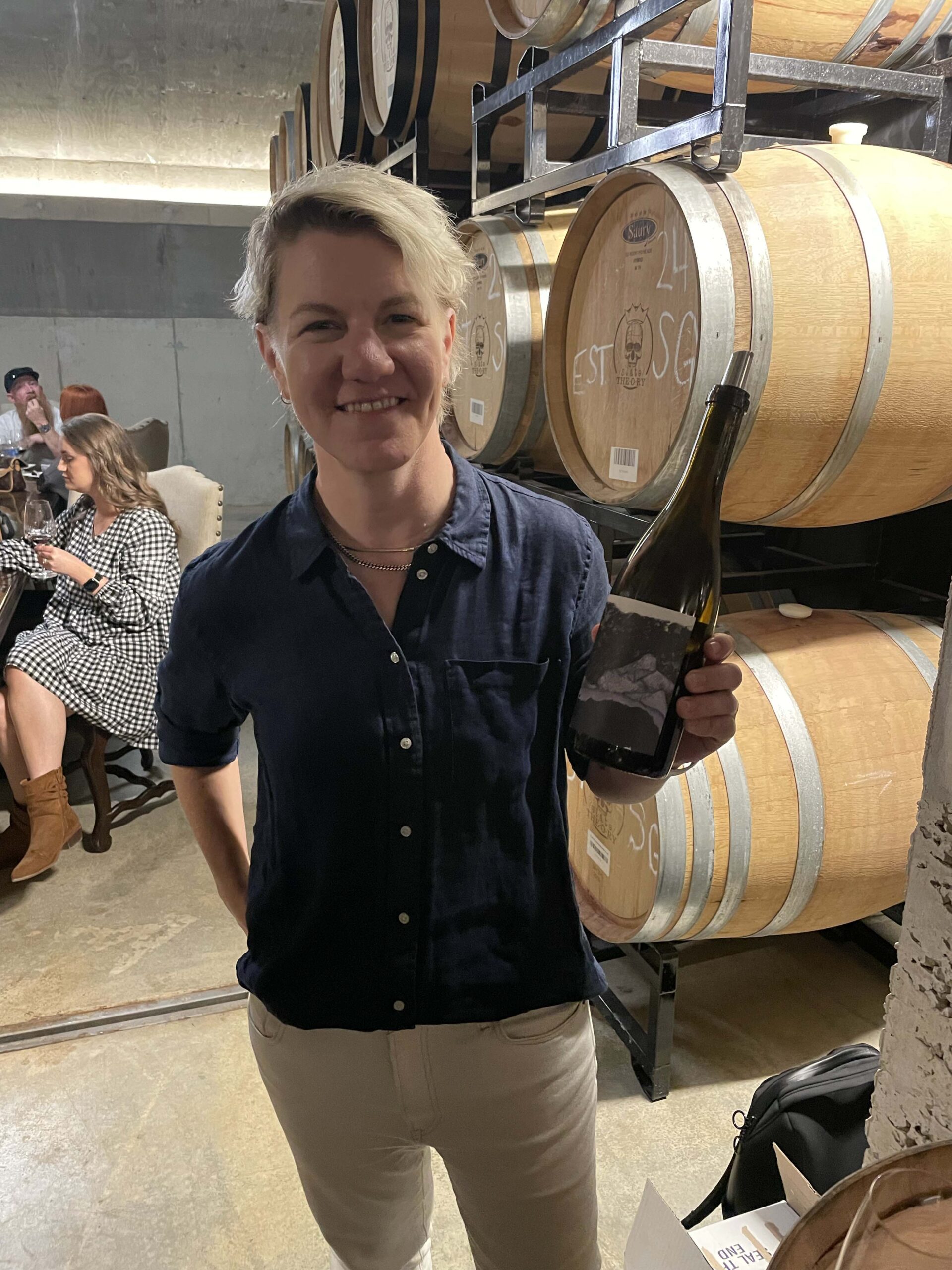
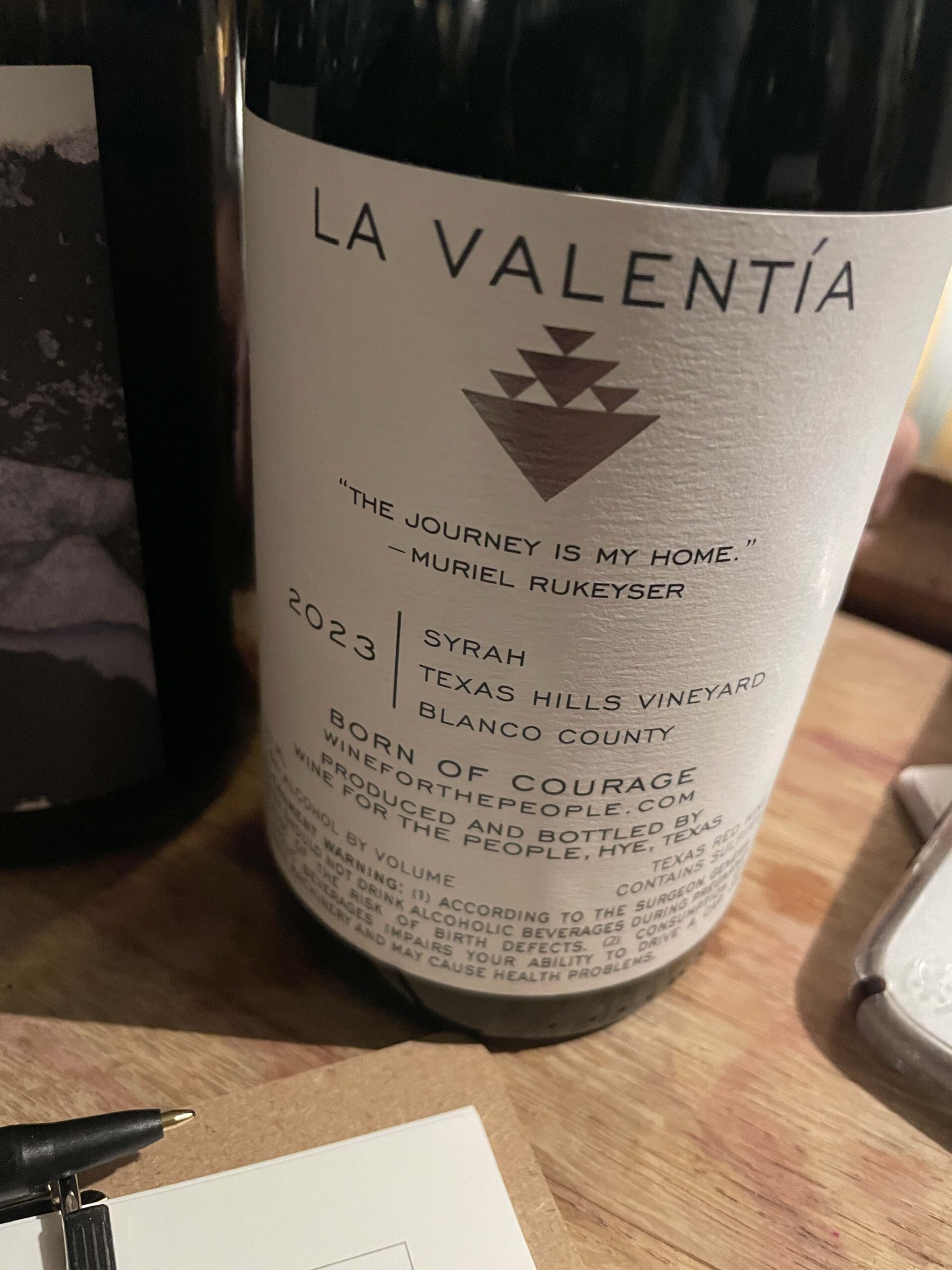
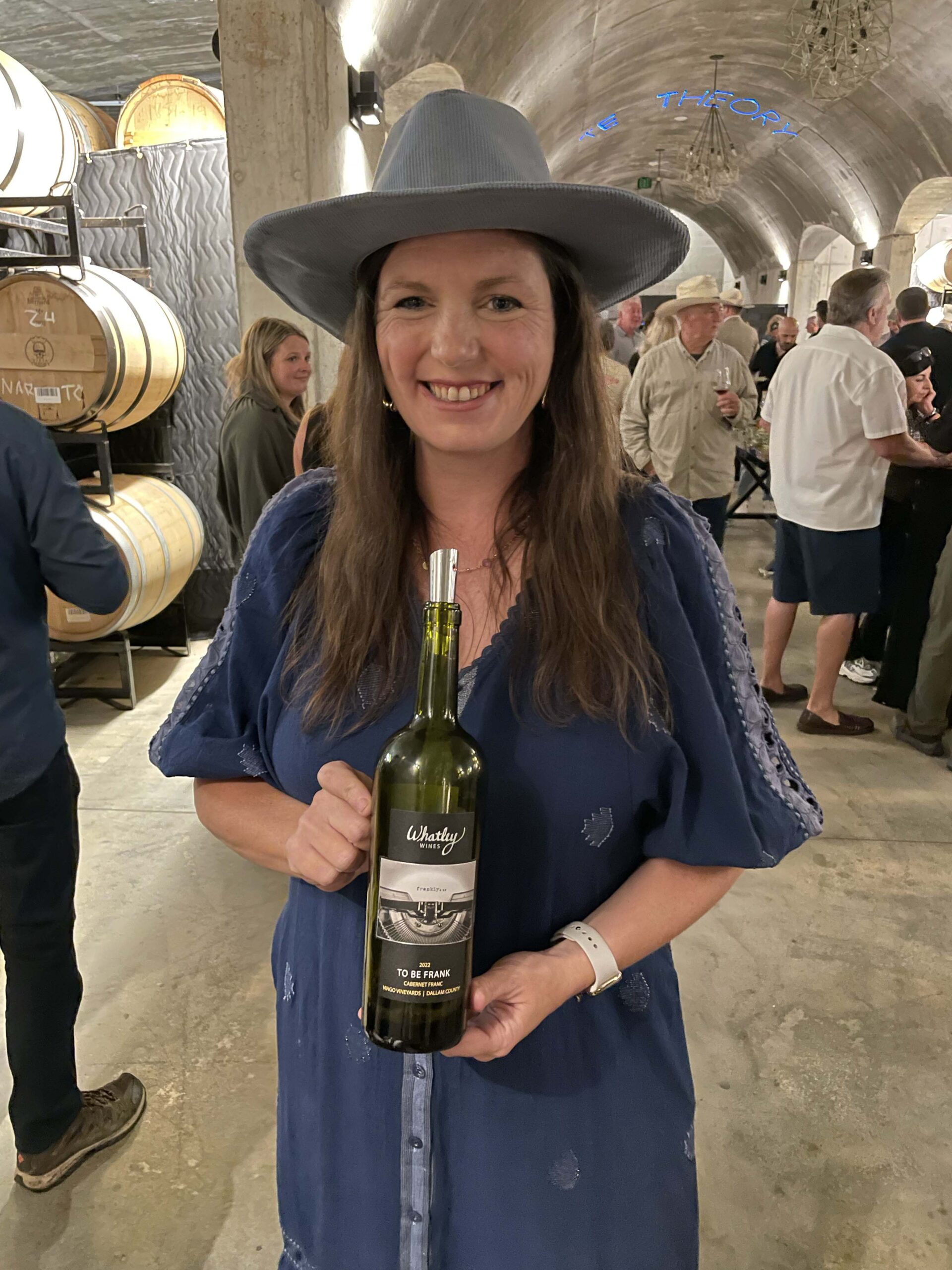
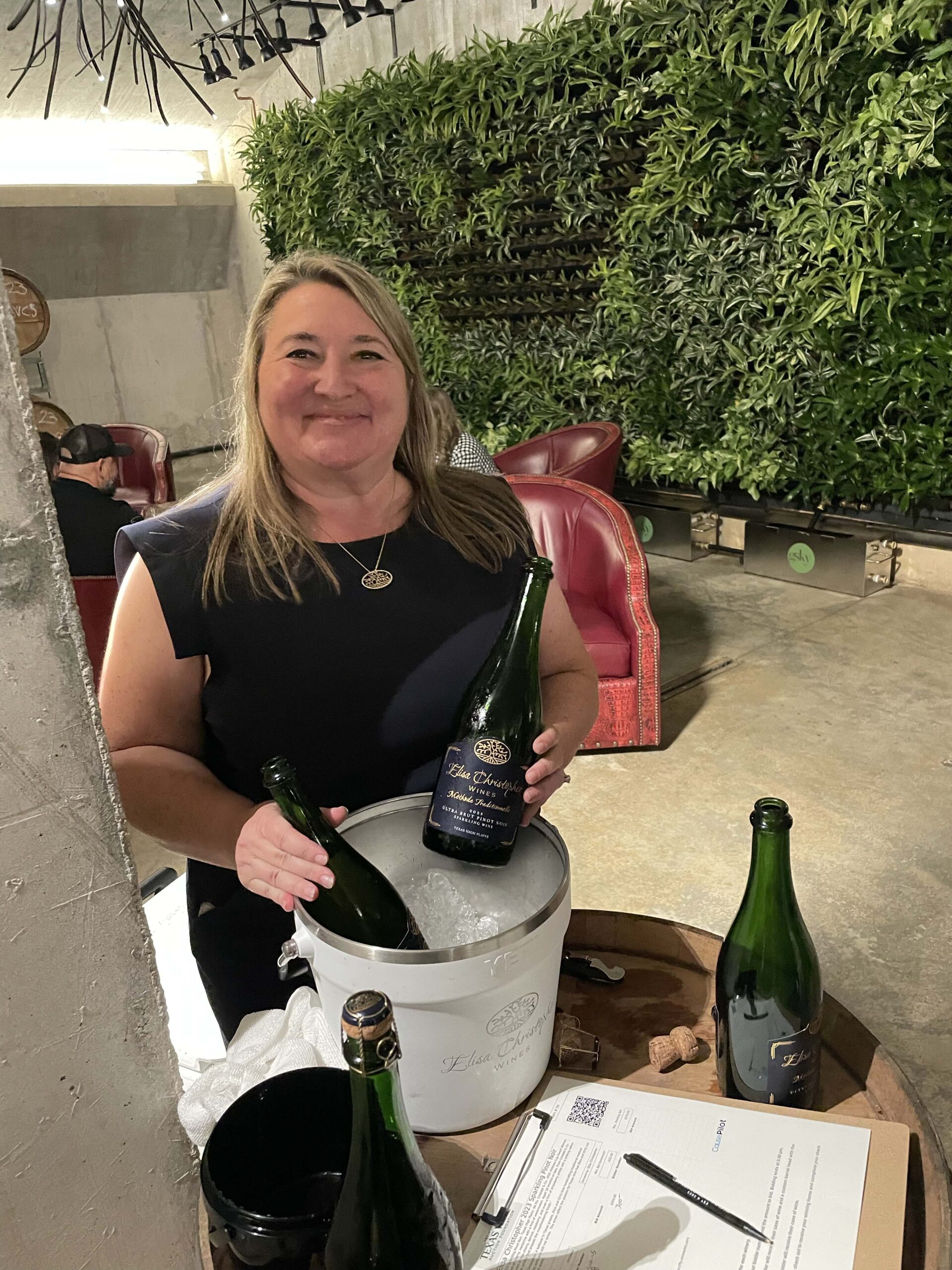
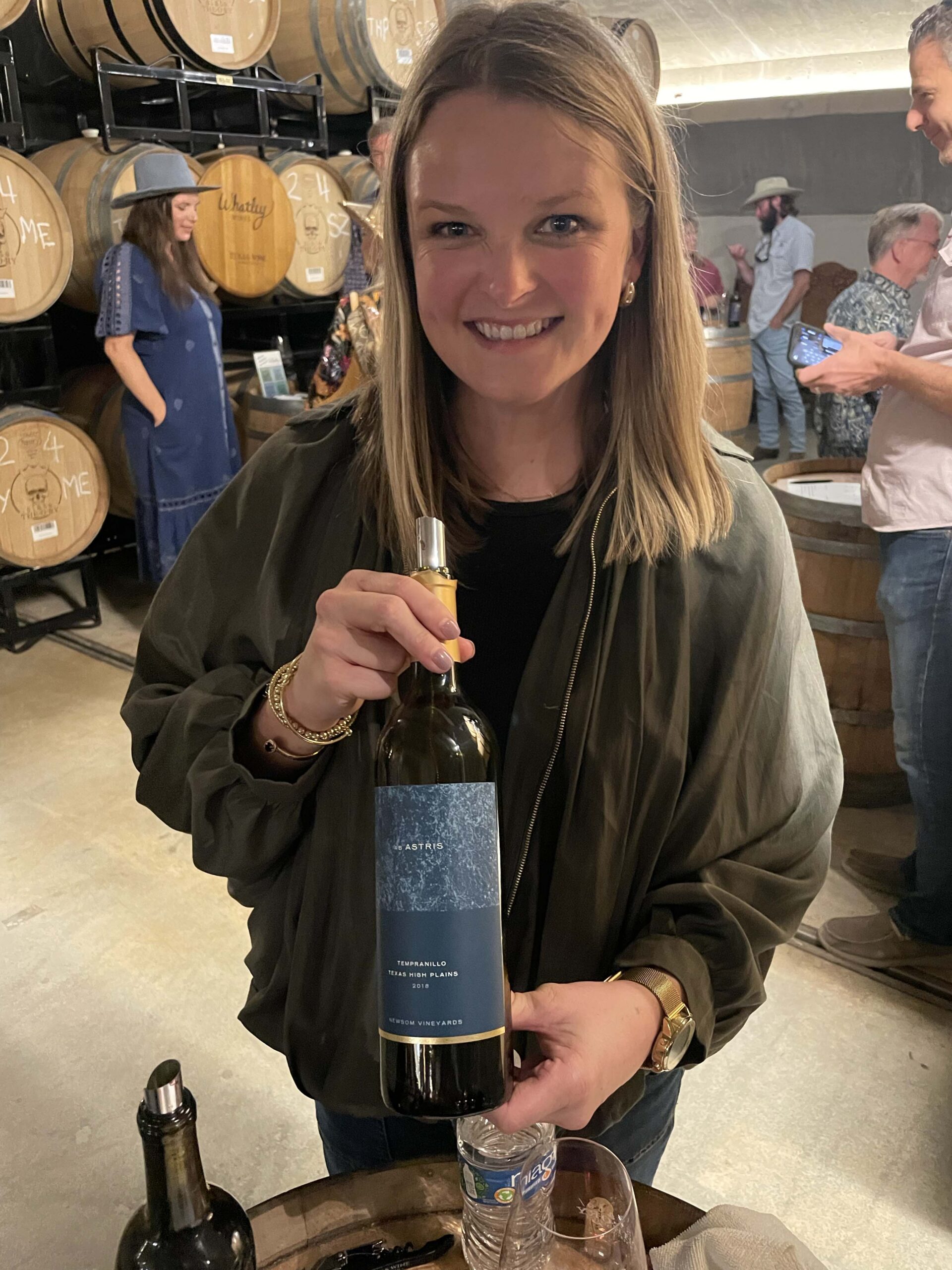
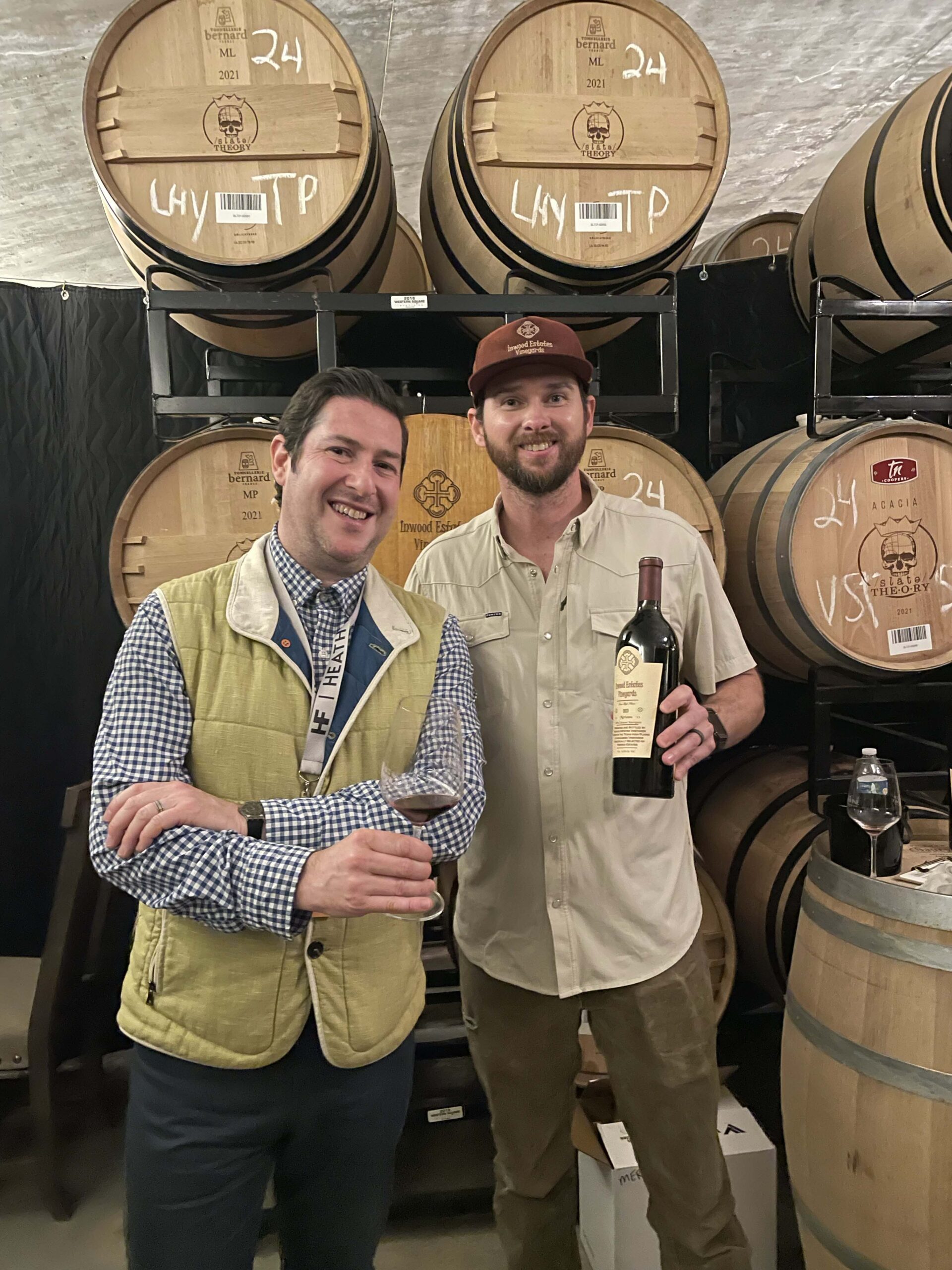
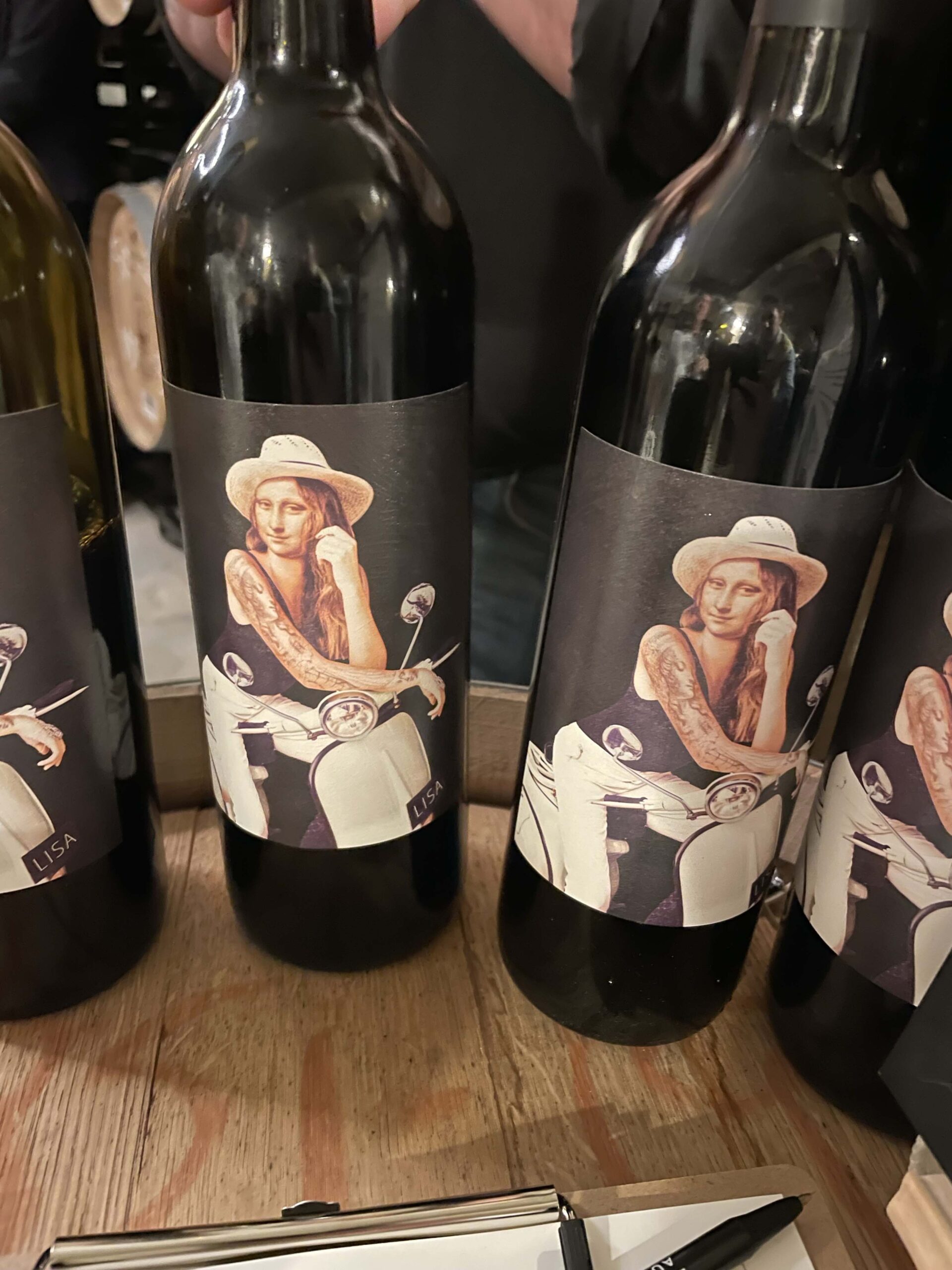
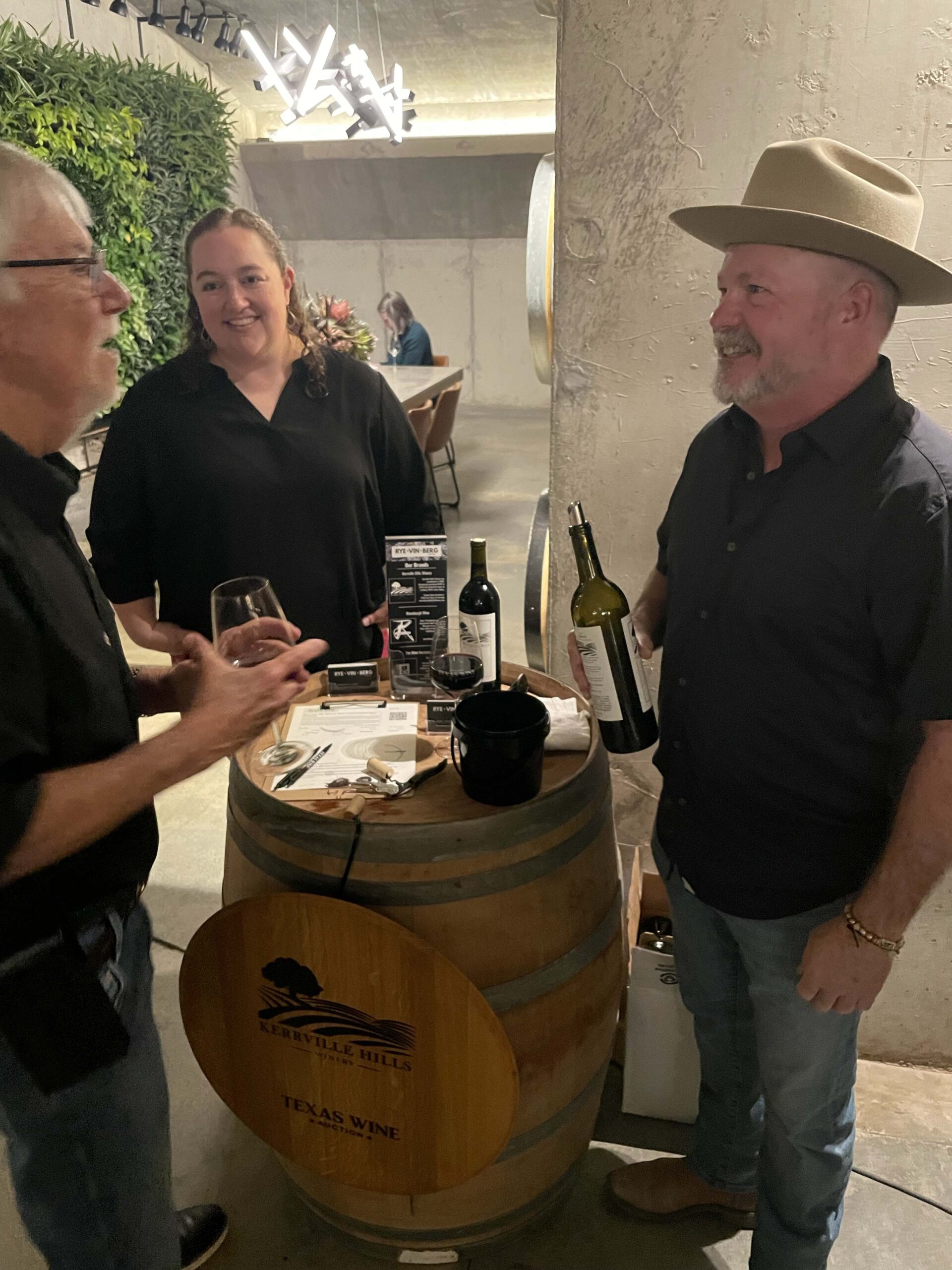
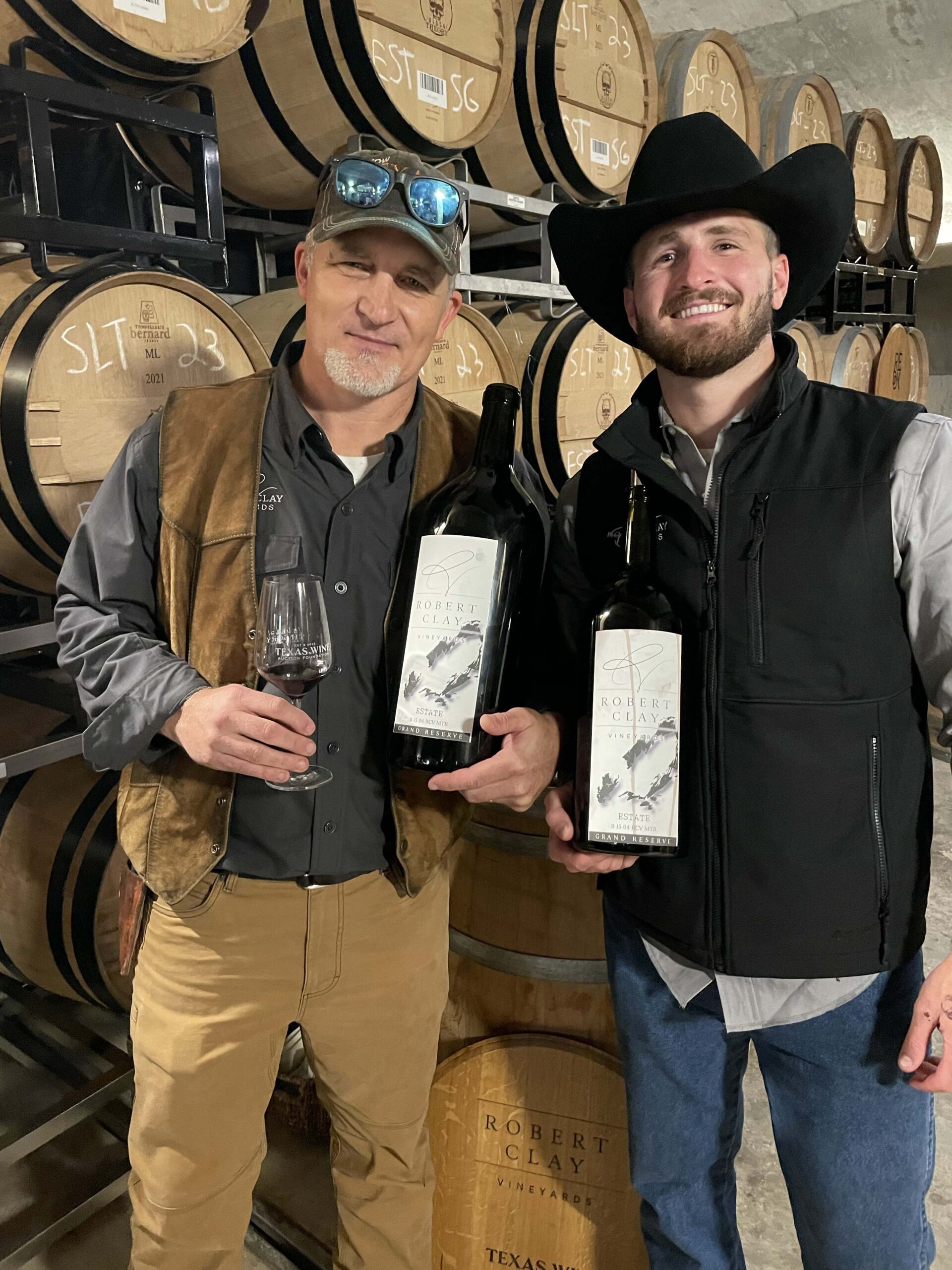
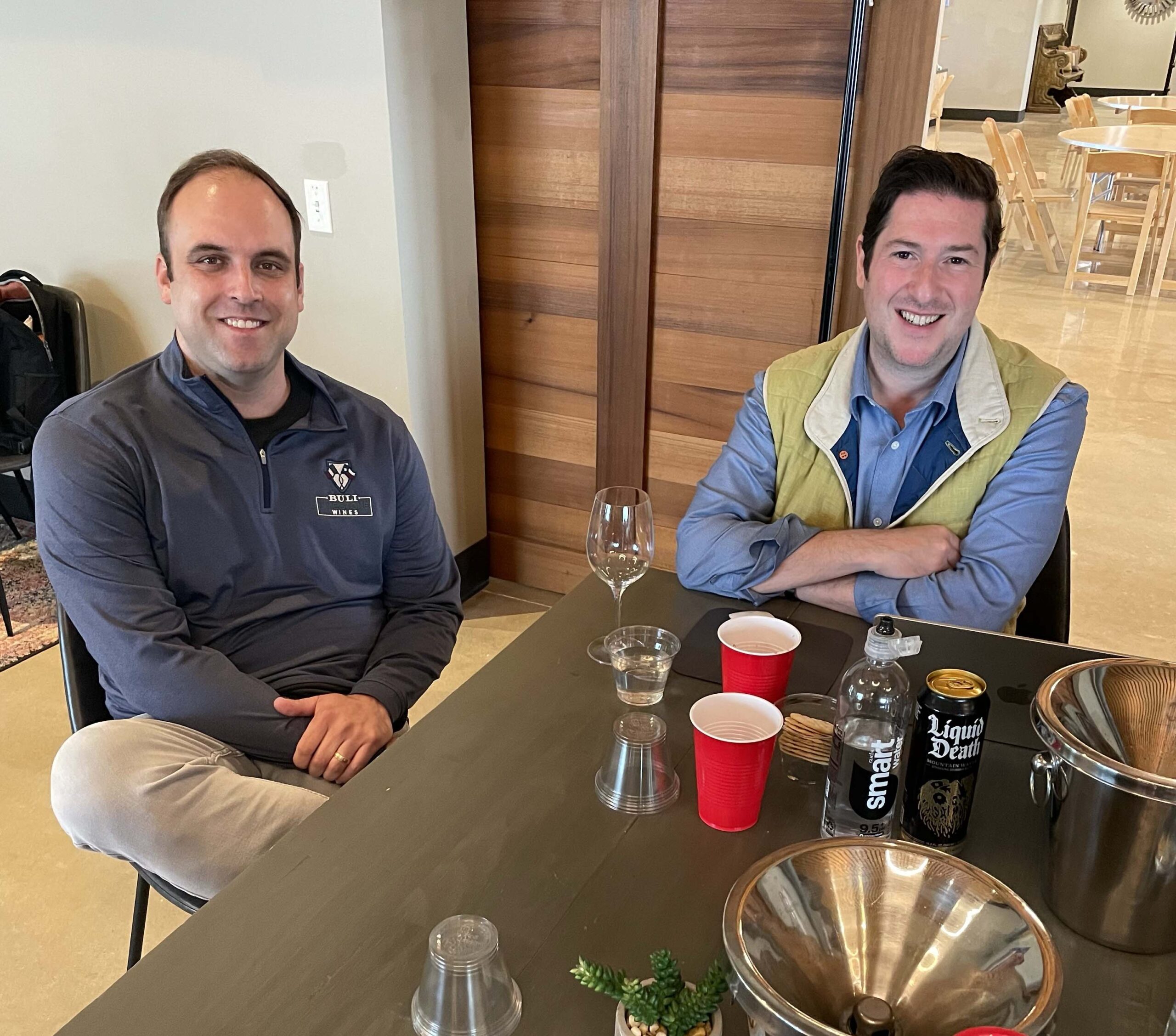
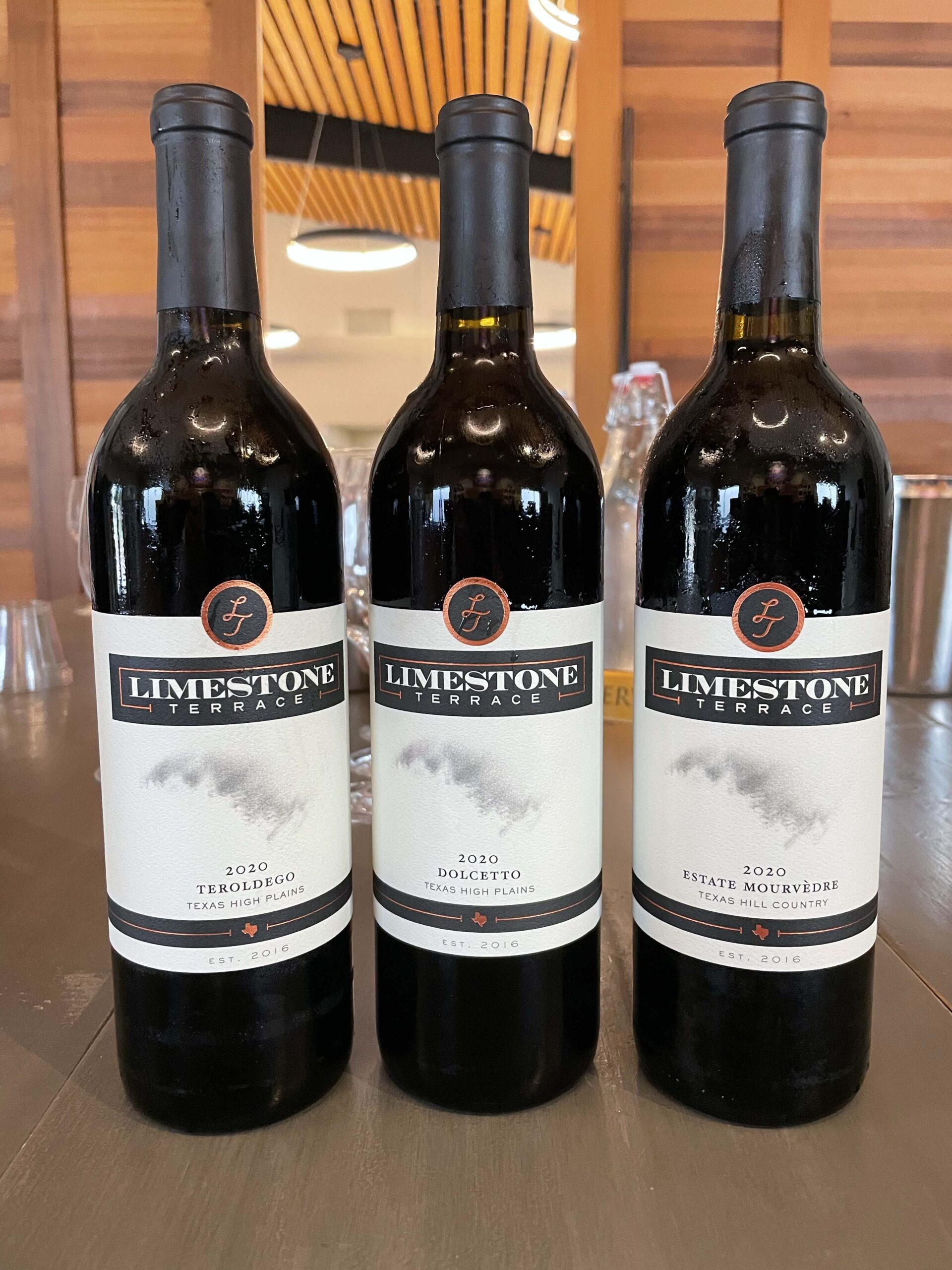
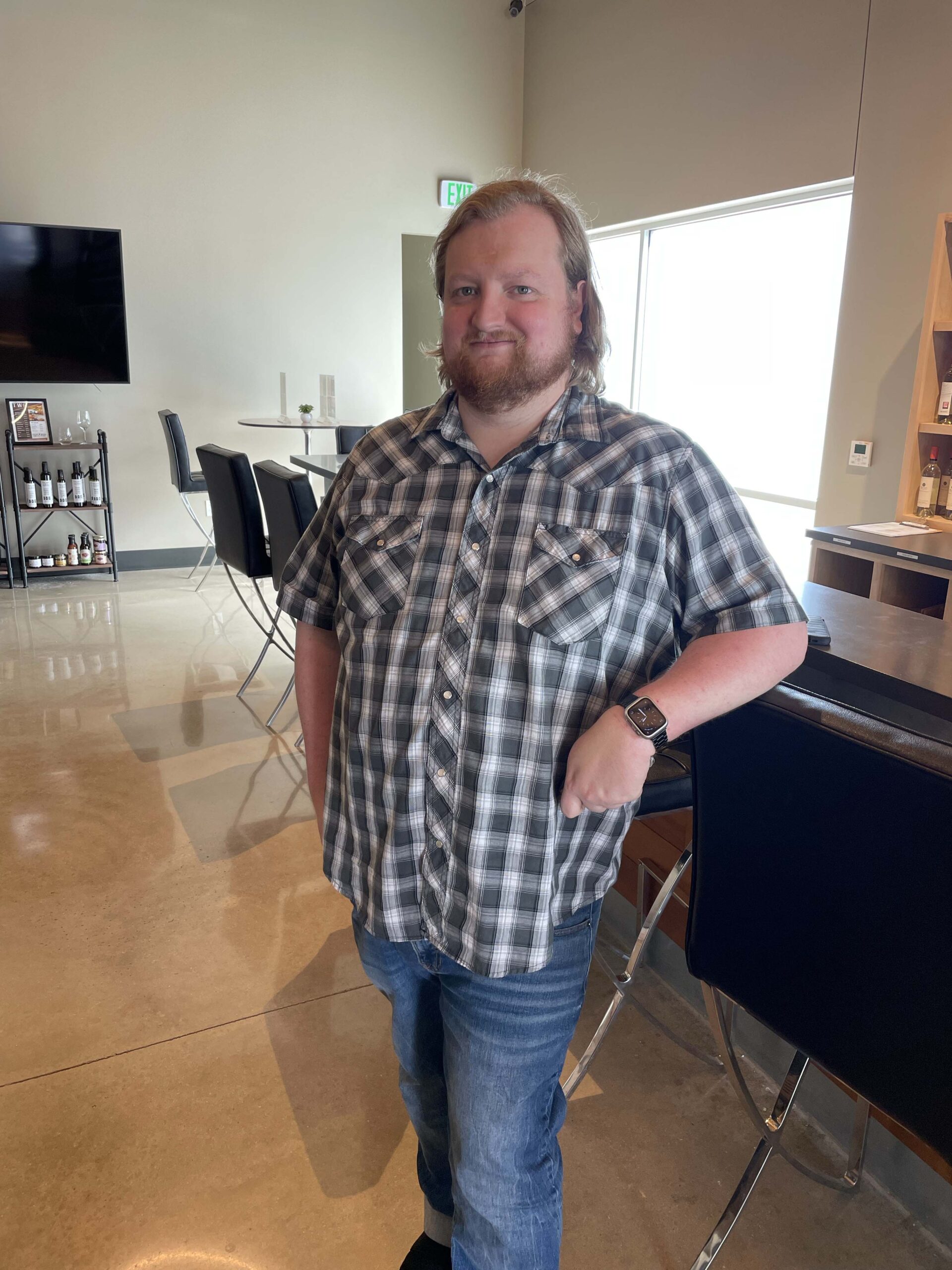
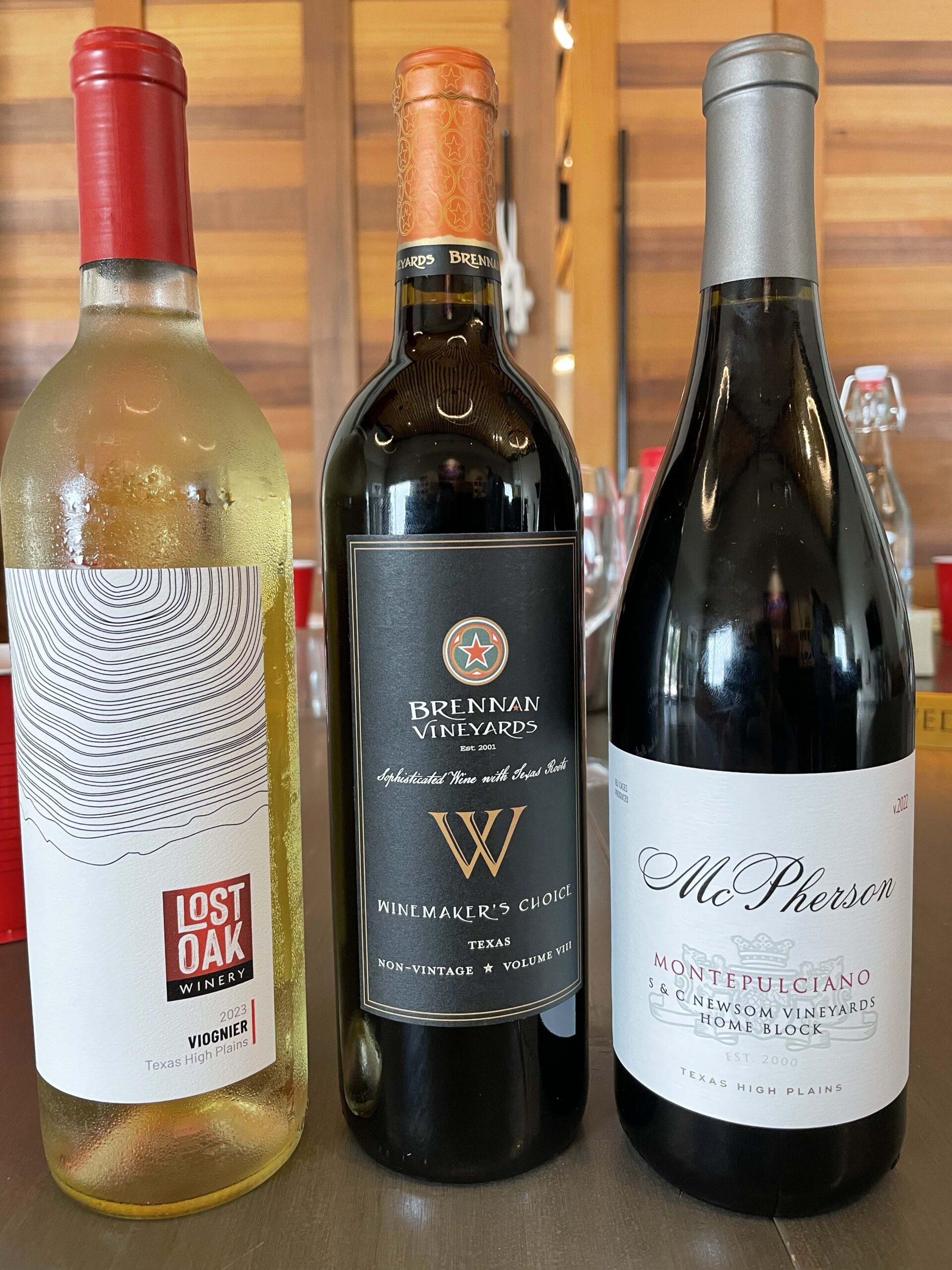
With all the excitement and activities around the festival, I had time to visit three producers on this last visit. They are featured below. I also met with several producers at the Texas Wine Collective and during the Texas Wine Auction’s barrel auction. Below is a gallery of the people I met with and wines of theirs I tasted.
All wines reviewed below were tasted in October 2025.
Heath Family Wines & Brands
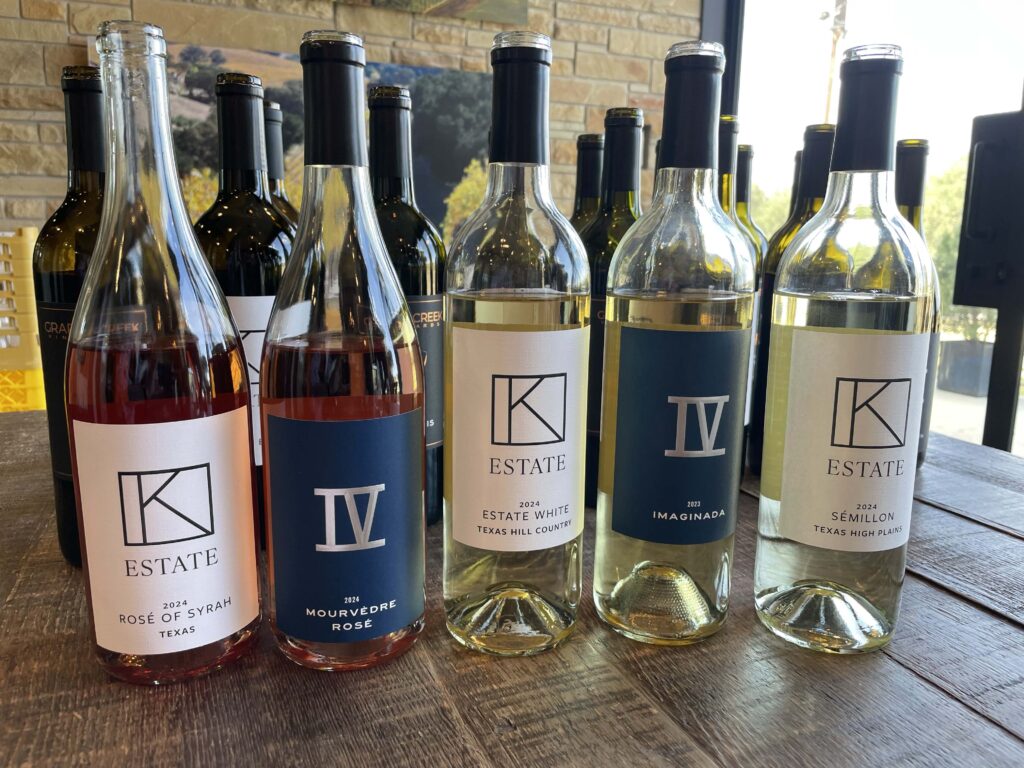
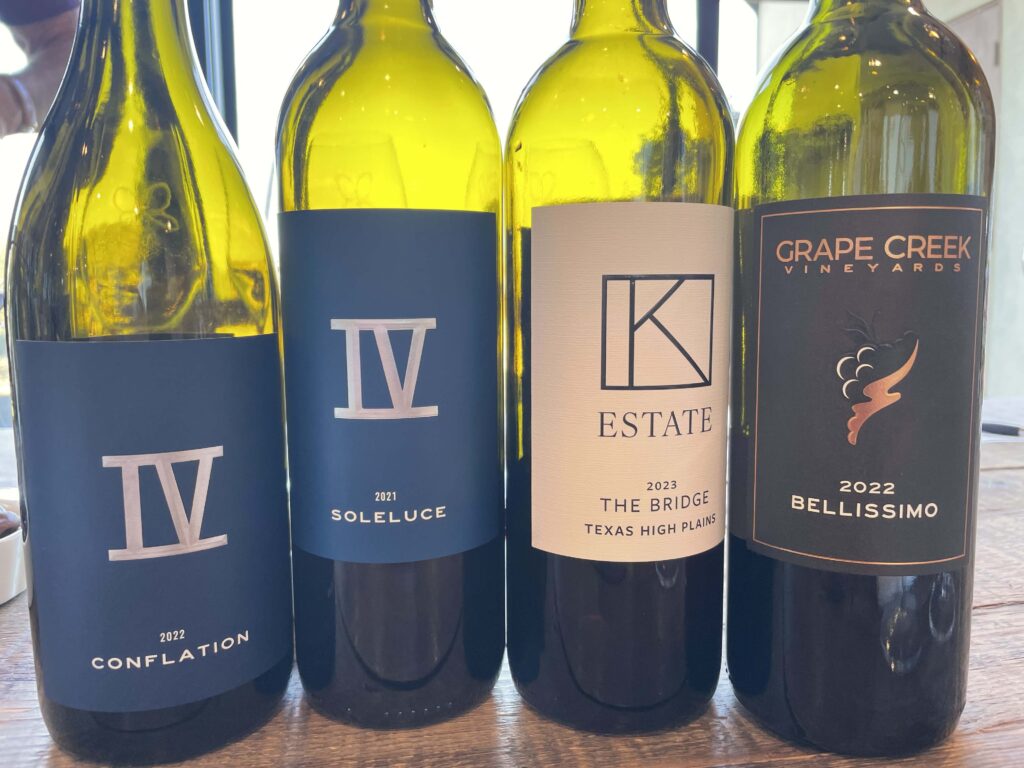
Heath Family Brands is a collection of wineries that includes Grape Creek Vineyards, Heath Sparkling Wines, Jenblossom Cellars, Heath Vineyards, Invention Vineyards, and Kuhlman Estate. Brian and Jennifer Heath purchased Grape Creek in 2006 and have since expanded the portfolio to multiple estates and two urban tasting rooms in Fredericksburg and Georgetown. Today, the group produces around 80,000 cases annually under the direction of winemaker Jason Englert, whose role spans still, sparkling, and small-lot projects across the brands.
The company has become a notable presence in the Texas wine industry, both for its scale and its continued investment in local vineyards, facilities, and people. What began with a small team has grown to more than 150 employees, reflecting the Heaths’ emphasis on long-term sustainability and community engagement. Their properties range from vineyard estates with on-site dining to contemporary tasting rooms, offering a broad view of what modern Texas wine hospitality can look like.



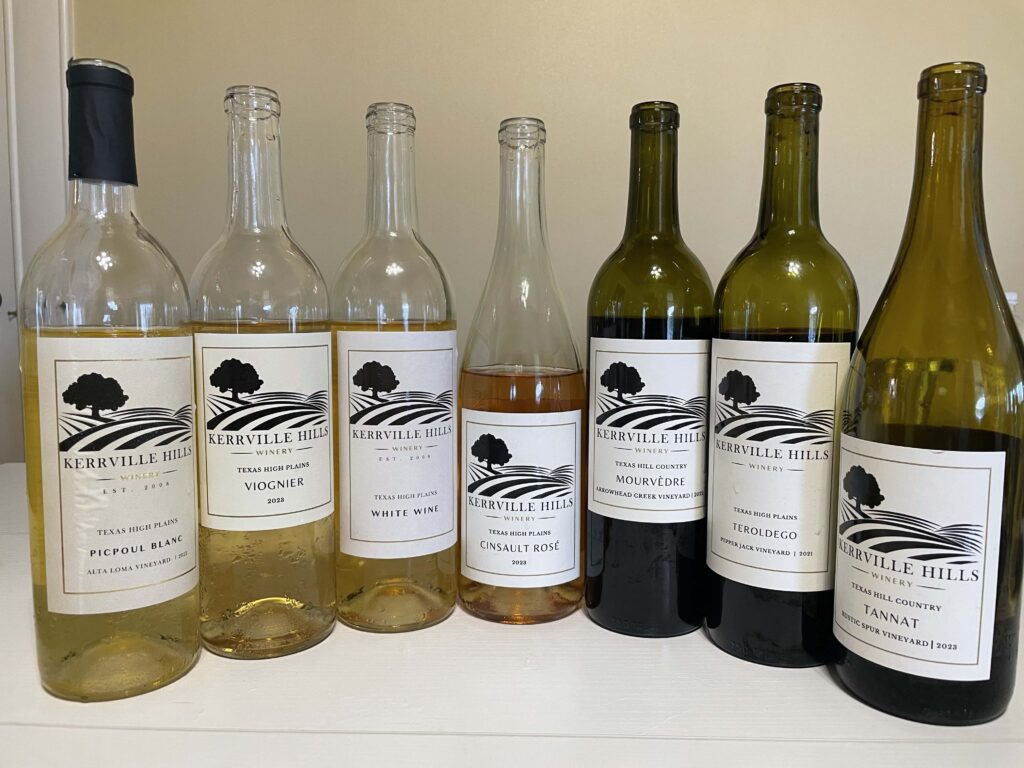
Rivenburgh Wine and Kerrville Hills Winery Tasting Room at Schreiner University.
A sixth-generation Texan, John Rivenburgh came to wine by way of ranching, athletics, art, and eventually construction, building his own company by his mid-twenties before shifting careers toward viticulture and winemaking in 2006. His approach has always been grounded in understanding the full lifecycle of wine—from farming and soil health to cellar decisions and final bottling. Early recognition for his wines, both in Texas and nationally, encouraged him to deepen his work in the state’s vineyards, helping identify grape varieties and farming practices that suit Texas’ diverse growing regions.
Rivenburgh’s influence now extends across the Texas wine landscape. After years of consulting in viticulture, winemaking, production, and branding, he purchased Kerrville Hills Winery in 2019, transforming it into a collaborative incubator for growers and aspiring winemakers. He has served multiple terms in leadership roles with Texas Hill Country Wineries, contributed to legislative efforts, and advises the Texas Department of Agriculture.
Today, Kerrville Hills Winery operates from its location on the Schreiner University campus—out of a historic home with original elements from the 1800s-era owners—continuing Rivenburgh’s commitment to hands-on education, sustainable farming, and small-lot Texas wines.



Siborney Cellars
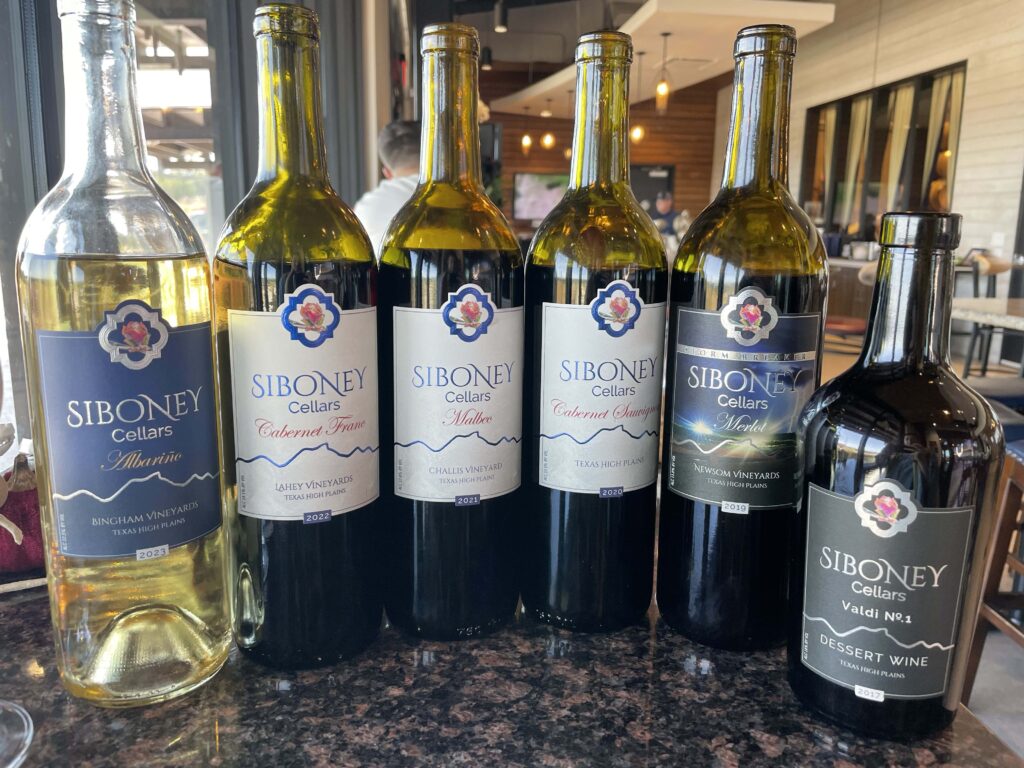
Founded by Miguel and Barbara Lecuona, Siboney Cellars brings a personal and cultural story to Texas wine. The name comes from Siboney, a classic Cuban love song written by Miguel’s great-uncle, composer Ernesto Lecuona. The estate sits on a 52-acre site west of Johnson City, where the Lecuonas and partners Bill and Mary Anne Waldrip have built a modern facility designed for small-lot, Texas-grown wines. Since their first vintage in 2017, the team has committed to making wines sourced entirely from Texas vineyards.
Barbara, trained through the Wine School of Philadelphia, Texas Tech’s Viticulture and Enology program, and Bordeaux Sciences Agro, oversees production alongside Miguel, whose background includes studies with the Court of Master Sommeliers and a Bordeaux Wine Marketing Masters Degree. The Waldrips, whom the couple met at a Fredericksburg wine conference in 2015, remain active partners—Mary Anne managing vineyard and on-site operations, and Bill contributing business leadership and philanthropic outreach. Together, the group has shaped Siboney into a collaborative, quality-focused project within the Hill Country AVA.